 EN
EN

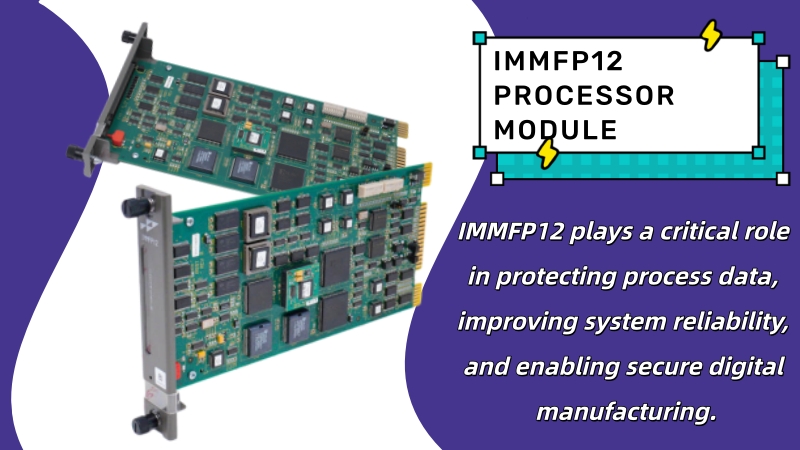
Sənaye avtomatlaşdırmasının və rəqəmsal çevrilişin sürətləndiyi dövrdə proses idarəetmə sistemləri ənənəvi qapalı arxitekturalardan yüksək dərəcədə bağlı Sənaye İnternet ekosistemlərinə doğru davamlı inkişaf edir. Məlumat artıq istehsalın sadəcə yan məhsulu deyil; o, qərar qəbulunu təmin edən, səmərəliliyi optimallaşdıran və əməliyyat təhlükəsizliyini təmin edən əsas aktivə çevrilmişdir. Bu fonunda proses məlumatlarının toplanması, emalı və ötürülməsi zamanı bütövlüyünü və etibarlılığını təmin etmək sənaye müəssisələri üçün kritik bir çətinlik halına gəlmişdir.
Müxtəlif idarəetmə sistemi komponentləri arasında IMMFP12 çoxfunksiyalı prosessor modulu mühəndislər tərəfindən tez-tez idarəetmə arxitekturasının əsas "qapıçı"sı kimi qiymətləndirilir. O, yalnız idarəetmə məntiqini yerinə yetirmir, həmçinin məlumat axınında vacib nöqtələrdə məlumatların qorunması və filtrasiyasında əhəmiyyətli rol oynayır. IMMFP12 rəqəmsal sistemlərdəki rolu avtomatlaşdırma ehtiyat hissələri və sənaye idarəetmə sahəsində fəaliyyət göstərən peşəkarlar üçün xüsusilə vacibdir.
Rəqəmsal çevrilmə kontekstində sənaye məlumat riskləri
Sənaye 4.0 və ağıllı istehsalın davamlı inkişafı ilə birlikdə istehsal sistemləri MES, ERP və bulud platformaları kimi müəssisənin İT sistemləri ilə daha çox qarşılıqlı əlaqəli olur və çoxqatlı məlumat mübadiləsi şəbəkələri yaradır. Bu qarşılıqlı əlaqə şəffaflığı və əməliyyat səmərəliliyini artırır, lakin eyni zamanda əvvəllər görünməmiş məlumat təhlükəsizliyi çətinnlikləri yaradır.
Həqiqi sənaye mühitində artan sayda rabitə bağlantısı, məlumat ötürülmə zəncirində daha çox açıq qovşaq deməkdir; burada hər hansı bir anormal vəziyyət son nəticələri təsir edə bilər. Eyni zamanda, bir neçə sənaye rabitə protokollarının eyni anda mövcud olması interfeys kompleksliyini artırır və məlumatların uyğunluğu ilə təhlil olunmasının tutarlılığına dair nəzərdə tutulan nəzərə çarpacaq qayğılar yaradır. Bundan əlavə, idarəetmə sistemləri yavaş-yavaş xarici şəbəkələrə qoşulduqca hücum sahəsi əhəmiyyətli dərəcədə genişlənir və yetkisiz giriş, məlumatların saxtalaşdırılması və xəstəlikli müdaxilə kimi risklər artır. Bir dəfə proses məlumatları pozulursa, bu yalnız məhsul keyfiyyətini deyil, həmçinin avadanlığın düzgün işləməməsinə və ya ciddi təhlükəsizlik hadisələrinə səbəb ola bilər.
Buna görə də müasir idarəetmə sistemləri həm real vaxt rejimində idarəetmə performansını, həm də güclü məlumat təhlükəsizliyini təmin etməlidir — tam da bu mühitdə IMMFP12 modulu əsas rolu oynayır.
IMMFP12 modulunun idarəetmə sistemlərindəki rol mövqeyi
Sənaye idarəetmə arxitekturası baxımından, IMMFP12 adətən idarəetmə qatının mərkəzində yerləşir və sahə giriş/çıxış cihazları ilə yuxarı səviyyəli sistemlər arasındakı əlaqəni təmin edən əsas emal düyünü kimi xidmət edir.
İdarəetmə məntiqi səviyyəsində o, qapalı döngə tənzimləməsi, ardıcıl idarəetmə və təhlükəsizlik bloklaması kimi əsas strategiyaları yerinə yetirir və beləliklə istehsal proseslərinin sabitliyini və təhlükəsizliyini birbaşa müəyyən edir.
Məlumatların emalı səviyyəsində IMMFP12 sahə siqnallarının ön emalını həyata keçirir; bunun arasında gürültü süzgəci, ölçüsüz düzəliş və məlumatların doğrulanması da daxildir ki, bu da idarəetmə qərarlarının etibarlı və güvənilən məlumatlar əsasında verilməsini təmin edir.
Kommunikasiya səviyyəsində o, sahə cihazları ilə yuxarı səviyyəli sistemlər arasındakı məlumat mübadiləsini idarə edir və istehsal sahəsi əməliyyatlarını rəqəmsal platformalarla birləşdirən vacib kənar səviyyəli informasiya köprüsü kimi çıxış edir.
“Qapıçı” Mexanizmi: IMMFP12 necə məlumat təhlükəsizliyini təmin edir
Sənaye idarəetmə sistemlərində «qapıçı»nın dəyəri sadəcə giriş nəzarətinə məhdud deyil. Bu, məlumatların daxil olmasından emalına və çıxışa qədər tam həyat dövrü idarəçiliyini təmsil edir. IMMFP12 çoxtəbəqəli qorunma və proses məhdudiyyətlərini həyata keçirdiyi üçün kritik təhlükəsizlik düyünü kimi qiymətləndirilir; bu da mürəkkəb sənaye mühitində sistemin sabitliyini və məlumatların bütünlüyünü təmin edir.
1. Məlumatların daxil olmasından əvvəl real vaxtda doğrulama və filtrasiya
Sahə cihazlarından və ya giriş/çıxış modullarından ham raw siqnalları qəbul edərkən IMMFP12 onları birbaşa idarəetmə loqikasına ötürmür. Bunun əvəzinə fiziki hədd yoxlamaları, dəyişmə sürəti analizi və davamlılıq yoxlaması daxil olmaqla çoxölçülü real vaxt doğrulaması aparır. Bu, sensorların sürüşməsini, keçici müdaxiləni və ya anormal zirvələri tez aşkar etməyə imkan verir və etibarsız məlumatların idarəetmə dövrəsinə daxil olmasını qarşısını alaraq qərarların etibarlı girişlər əsasında verilməsini təmin edir.
2. İdarəetmə və rabitənin izolyasiyası ilə təbəqəli arxitektura
Sistemin dizaynı IMMFP12 adətən, idarəetmə məntiqi, məlumatların işlənməsi və rabitə interfeysləri arasındakı qatlı arxitekturaya əsaslanır. Bu ayrılma qatlara keçidin qarşısını alır — məsələn, rabitədəki anormal hallar real vaxt rejimində idarəetmənin icrasını təsir etmir və yuxarı səviyyəli sistem sorğuları sahə səviyyəsində əməliyyatlara mane olmur. Bu struktur izolyasiya sistemin bir-birinə bağlılığını əhəmiyyətli dərəcədə azaldır və ümumi sabitlik və pozuntuğa qarşı davamlılığı artırır.
3. Ehtiyat əməliyyatları və avtomatik keçid mexanizmi
Tənqidi sənaye tətbiqlərində IMMFP12 tez-tez ehtiyat konfiqurasiyalarda istifadə olunur. Əsas modul donanım xətaları və ya rabitə nasazlıqları səbəbilə sıradan çıxarsa, ehtiyat modulu məlumatların sinxronlaşdırılmasını və məntiqi davamlılığı saxlayaraq idarəetmə tapşırıqlarını sürətlə öz üzərinə götürür. Bu pərdəsiz keçid mexanizmi istehsalın dayandırılmasını və məlumat itirilməsini və ya vəziyyət uyğunsuzluğunu qarşısını alır və beləliklə, sistemin etibarlılığını əhəmiyyətli dərəcədə artırır.
4. Sənaye əlaqəsində Giriş Nəzarəti və Məlumatların Tamamlığı
Sahə cihazları və yuxarı sistemlərlə əlaqə zamanı IMMFP12 əlaqə protokolları, məlumatlara giriş yolları və ötürülmənin tamamlığı üzərində sərt nəzarət siyasətlərini tətbiq edir. Həmçinin, qeyri-müəyyən məlumatların daxil edilməsini, protokol uyğunsuzluqlarını və real vaxtlı idarəetmə performansına təsir göstərə biləcək şəbəkə sıxlığını qarşısını almaq üçün əlaqə dövrlərini və məlumat axını sürətlərini tənzimləyir. Nəticədə sistem açıq əlaqə mühitlərində belə sənaye səviyyəli sabitliyini saxlayır.
IMMFP12-nin Sənaye İnternet Arxitekturasındakı Dəyər Yenilənməsi
Sənaye internet texnologiyaları inkişaf etdikcə IMMFP12 i̇darəetmə yerinə yetirmə modulundan kənar səviyyəli məlumat idarəetmə düyünü kimi çevrilir.
Məlumatlar bulud platformalarına yüklənməzdən əvvəl IMMFP12 yerli filtrasiya və strukturlaşdırma aparır və sahə əməliyyatları ilə bulud analitika sistemləri arasında təhlükəsiz bufer zonası yaradır. Sənaye süni intellekti və proaktiv təmir tətbiqlərində IMMFP12 analitik modellərin dəqiqliyinə birbaşa təsir edir.
Eyni zamanda, sənaye mühitində kibertəhlükəsizlik tələbləri davamlı güclənərkən, IMMFP12 idarəetmə şəbəkələrində artan qədər vacib sərhəd düyünü halına gəlir. Məlumat axınlarını süzərək və tənzimləyərək xarici riskləri azaldır və açıq şəbəkə mühitində sistemin sabit işləməsinə kömək edir.
Gələcək tendensiyalar: İdarəetmə modulundan ağıllı təhlükəsizlik düyününə
Sənaye rəqəmsallaşması davam etdikcə, IMMFP12 kimi modullar daha yüksək intellektual və təhlükəsizlik səviyyəsinə doğru inkişaf edirlər. Gələcək sənaye sistemlərində onlar yalnız ənənəvi idarəetmə funksiyalarını deyil, həmçinin kənar (edge) səviyyəsində əsas məlumat analizi və təhlükəsizlik üzrə qərar qəbulu imkanlarını da təmin edəcəklər.
Kənar hesablama texnologiyasının inkişafı ilə idarəetmə modulları tendensiyaların proqnozlaşdırılması, anomaliyaların aşkar edilməsi və yerli qərar verilməsinə dəstək kimi imkanlara malik olacaq. Eyni zamanda artan kibertəhlükəsizlik tələbləri şifrələmə, identifikasiya doğrulaması və davranış əsaslı anomaliya aşkarlama mexanizmlərinin inteqrasiyasını təşviq edir və bu modulların sənaye «qapıçıları» kimi rolu daha da güclənir.
Nəticə
Davamlı rəqəmsal çevriliyin kontekstində IMMFP12 yalnız idarəetmə əmrlərinin icrası üçün modul deyil, proses məlumatlarının təhlükəsizliyini təmin etmək üçün vacib infrastruktur komponentidir. Çoxtəbəqəli doğrulama, arxitekturada izolyasiya, ehtiyat mexanizmləri və rabitə təhlükəsizliyi idarəetmə tədbirləri vasitəsilə sənaye sistemləri üçün möhkəm qoruma barьерi yaradır.
Avtomatlaşdırma ehtiyat hissələri sahəsində ixtisaslaşmış mütəxəssislər üçün belə əsas modulların sistem səviyyəsində dəyərini başa düşmək yalnız mühəndislik imkanlarını artırmaqla yanaşı, sənaye rəqəmsallaşdırılması və intellektuallaşdırılmasının gələcəyi haqqında daha dərindən fikir verilməsinə də imkan verir. Artan açıqlıq və mürəkkəblik ilə xarakterizə olunan sənaye şəbəkə mühitində belə "qapıçı" funksiyaların əhəmiyyəti davamlı olaraq artacaq.
Məhsul haqqında suallarınız varsa, bizimlə əlaqə saxlayın
Satış meneceri: Cim Pej
Elektron poçt: [email protected]
WeChat: ZXH18020776782
Telefon/WhatsApp: +86 18020776782
Mündəricat
- Rəqəmsal çevrilmə kontekstində sənaye məlumat riskləri
- IMMFP12 modulunun idarəetmə sistemlərindəki rol mövqeyi
- “Qapıçı” Mexanizmi: IMMFP12 necə məlumat təhlükəsizliyini təmin edir
- IMMFP12-nin Sənaye İnternet Arxitekturasındakı Dəyər Yenilənməsi
- Gələcək tendensiyalar: İdarəetmə modulundan ağıllı təhlükəsizlik düyününə
- Nəticə