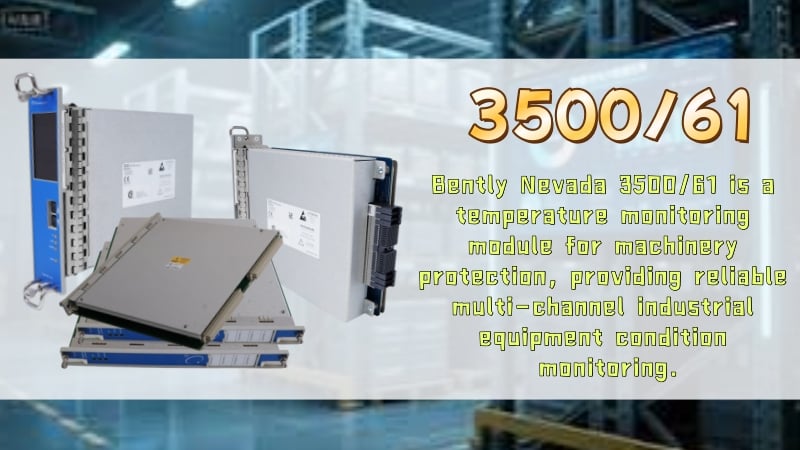
По мере ускорения цифровой трансформации промышленности мониторинг состояния становится базовой функциональной возможностью в высокозначимых отраслях, таких как энергетика, нефтепереработка и нефтехимия, металлургия и передовое производство. В рамках этой динамично развивающейся среды 3500/61 модуль всё чаще применяется в критически важных задачах. Благодаря стабильной работе, надёжному сбору сигналов и высокой совместимости с различными системами он становится ключевым компонентом современных архитектур промышленного мониторинга.
Современные промышленные активы становятся крупнее, быстрее и работают в непрерывном режиме дольше, чем когда-либо ранее. В таких условиях даже кратковременные простои по незапланированным причинам могут привести к существенным операционным и финансовым потерям. В результате стратегии предиктивного технического обслуживания — основанные на мониторинге состояния в реальном времени — стали необходимым условием обеспечения эксплуатационной надёжности и увеличения срока службы активов. 3500/61играет ключевую роль на начальном этапе этой экосистемы, где точный и стабильный сбор данных составляет основу для всех последующих диагностических процедур и принятия решений.
В высокорисковых и высоконагруженных эксплуатационных средах, таких как нефтеперерабатывающие и нефтехимические предприятия, электрогенераторные установки и крупные вращающиеся машины, оборудование функционирует в течение длительного времени при высоких температуре, давлении и сильной вибрации, что предъявляет чрезвычайно высокие требования к системам мониторинга. 3500/61, благодаря оптимизированной архитектуре обработки сигналов и конструкции, устойчивой к помехам, сохраняет стабильные возможности сбора данных даже в сложных электромагнитных средах, эффективно предотвращая дрейф сигналов и ошибочные выводы.
Данные многочисленных полевых применений показывают, что при непрерывной работе 3500/61 может обеспечить долгосрочную безотказную работу и поддерживать высокую согласованность данных. Эта стабильность создает надежную основу для последующих систем анализа и значительно снижает затраты на ручную проверку для персонала по техническому обслуживанию.
В современных промышленных системах прогнозное техническое обслуживание постепенно заменяет традиционные модели, основанные на регламентированном графике. Благодаря возможности сбора и анализа эксплуатационных данных в реальном времени предприятия могут заранее выявлять потенциальные неисправности и предотвращать незапланированные остановки.
В рамках этой архитектуры 3500/61выступает в качестве «сенсорного узла на переднем крае». Его высокоточная способность к дискретизации позволяет фиксировать тонкие изменения в работе оборудования, такие как признаки начального износа подшипников, тенденции дисбаланса и аномальные частотные отклонения. После обработки этими данными в аналитических системах можно строить модели состояния оборудования и принимать более точные решения в области технического обслуживания.
Специалисты отрасли отмечают, что ценность систем мониторинга заключается не только в выявлении проблем, но и в обеспечении раннего предупреждения. Широкое внедрение 3500/61помогает постепенно воплотить эту концепцию в реальность в нескольких промышленных секторах.
В настоящее время 3500/61уже получила широкое применение в ряде ключевых отраслей. В энергетической отрасли она широко используется для контроля состояния паровых турбин, генераторов и вспомогательного оборудования; в нефтегазохимической отрасли — для операционного мониторинга ключевого оборудования, такого как компрессоры и насосные агрегаты; в металлургической и машиностроительной отраслях её применение сосредоточено преимущественно на крупных вращающихся машинах и основном оборудовании производственных линий.
С развитием промышленного интернета всё больше предприятий создают унифицированные платформы управления оборудованием. 3500/61, выступая в качестве базового устройства сбора данных, образует тесную связь с системой анализа верхнего уровня, обеспечивая передачу информации о состоянии оборудования в центр управления в режиме реального времени для централизованного мониторинга и удалённой диагностики.
Кроме того, некоторые предприятия интегрируют 3500/61в свои системы цифровых двойников. Комбинируя исторические и текущие данные, они могут моделировать и анализировать рабочее состояние оборудования, тем самым дополнительно повышая безопасность и эффективность производственной системы.
Помимо стабильности и точности, 3500/61также привлекает значительное внимание благодаря своим возможностям интеграции в системы. Модуль совместим с широким спектром платформ мониторинга и систем управления, что позволяет гибко развертывать его в различных архитектурных средах. Такая высокая масштабируемость позволяет удовлетворять разнообразные требования — от мониторинга одного станка до мониторинга крупномасштабных промышленных кластеров.
В то же время, по мере дальнейшего развития систем промышленной автоматизации, растёт спрос на стандартизированные интерфейсы обмена данными и совместимость. 3500/61был разработан с учётом этой тенденции, что позволяет ему легче интегрироваться в современные промышленные системы связи и обеспечивает надёжную поддержку предприятиям при создании унифицированных сетей сбора данных.
Эксперты отрасли отмечают, что по мере усложнения промышленного оборудования мониторинг отдельных машин уже недостаточен для обеспечения общей безопасности эксплуатации. Вместо этого доминирующей тенденцией становятся архитектуры системного, сетевого мониторинга. В рамках этой трансформации такие ключевые модули, как 3500/61ожидаются всё более значимую роль в сборе данных, идентификации состояния и координации на уровне системы.
С практической точки зрения, 3500/61не только повышает безопасность эксплуатации оборудования, но и в определённой степени способствует оптимизации структуры затрат предприятия на техническое обслуживание и эксплуатацию. Его экономическая ценность становится всё более очевидной благодаря сокращению непредвиденных отказов и незапланированных простоев.
В перспективе, при более глубокой интеграции технологий анализа на основе искусственного интеллекта и промышленных больших данных, данные, собираемые 3500/61ожидается, что он обретет значительно более высокую аналитическую ценность. Эта эволюция будет способствовать дальнейшему продвижению промышленных систем мониторинга от простой «визуализации» к более продвинутому «интеллектуальному принятию решений».
В заключение, 3500/61стало всё более важным компонентом критически важных промышленных систем мониторинга благодаря своей надёжности, стабильности и адаптивности. По мере дальнейшего развития промышленной цифровизации его роль будет расширяться, внося значительный вклад в создание более умных, безопасных и эффективных промышленных операций.
Пожалуйста, не стесняйтесь связаться с нами, если у вас возникнут вопросы о продукции.
Менеджер по продажам: Цзым Пэй
Электронная почта: [email protected]
WeChat: ZXH18020776782
Телефон/WhatsApp: +86 18020776782
 EN
EN