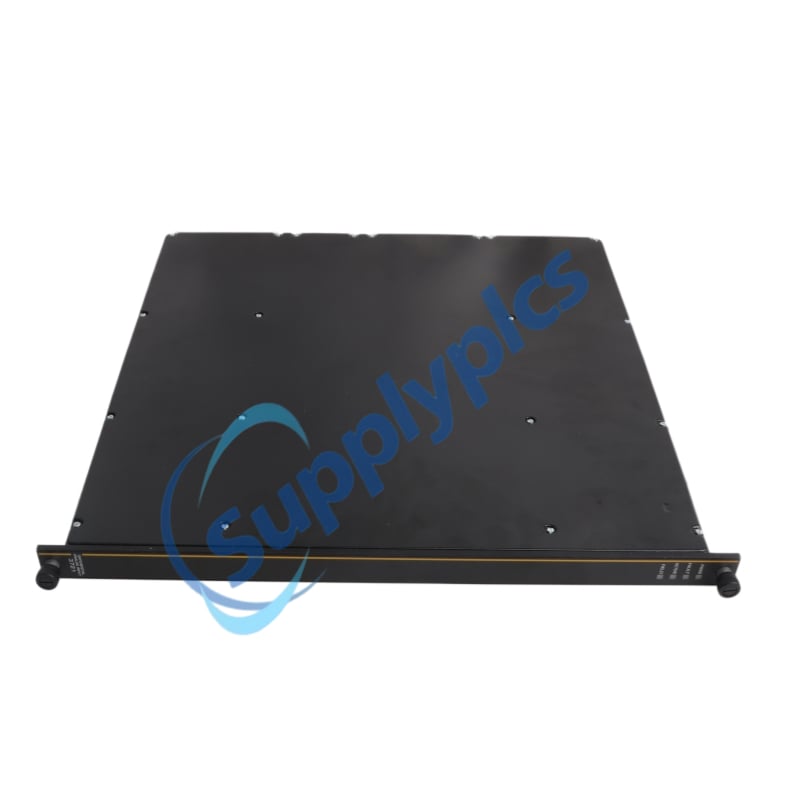
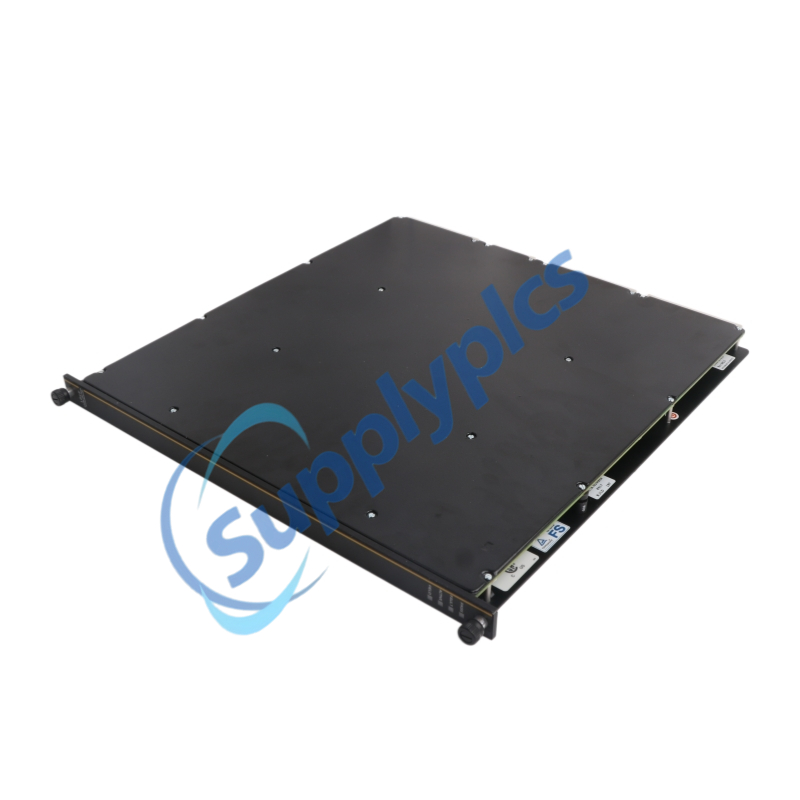
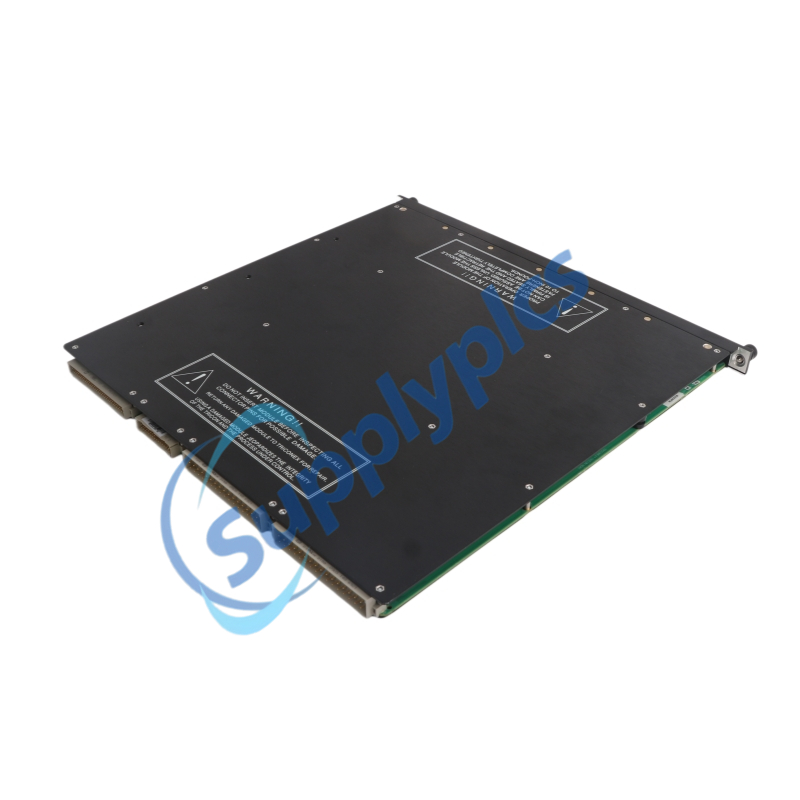
Արտադրանքի անվանումը. Անալոգ 输⼊ մոդուլ
Անունը՝ Triconex
Մոդելի համարը՝ 3721
Երկիր սկսած: ԱՄՆ
Երաշխիք՝ 12 ամիս
WhatsApp-ը։+86 18159889985
Էլ․ հասցե՝ [email protected]

Անունը՝ |
ICS TRIPLEX |
Մոդելի համարը՝ |
3721 |
Երկիր սկսած: |
ԱՄՆ |
Պատվիրման մանրամասները. |
Ընդօրինակ նոր, գործարանային կնքված |
Առաքման ժամանակ: |
Առաքման ժամանակը՝ պաշարում կա |
Վճարման պայմանները. |
T/T |
|
Վաճառքի մենեջեր՝ |
Ստելլա |
|
Ուղարկել էլ. փոստ. |
|
|
Կապ Ուցհատսով միջոցով. |
|
Տեխնիկական բնութագրեր |
Մանրամասներ |
|
Մոդելի համար |
3721 (ստանդարտ) / 3721C (կոնֆորմալ ծածկույթով) |
|
Մոդուլի տիպ |
TMR անալոգային մուտքի մոդուլ |
|
Შփմունքների տարբերակների քանակը |
32, դիֆերենցիալ, հաստատուն հոսանքի կապված |
|
Մուտքի լարման տիրույթներ |
0–5 Վ հաստատուն հոսանք կամ -5–+5 Վ հաստատուն հոսանք, ±6 % գերբեռնվածություն (ծրագրային կերպով կարգավորելի) |
|
Մուտքի հոսանքի շրջանակ |
0–20 մԱ՝ արտաքին 250 Օմ շունտային ռեզիստորով (համատեղելի ETP-ի միջոցով) |
|
Հստակություն |
Ծրագրավորելի՝ 12 կամ 14 բիթ |
|
Ճշգրտություն |
փոքր է լրիվ սանդղակի տիրույթի (FSR) 0,15 %-ից՝ 0 °C–60 °C (32 °F–140 °F) ջերմաստիճանային տիրույթում |
|
Մուտքի թարմացման հաճախականություն |
10 մս բոլոր 32 ալիքների համար |
|
Մուտքի դիմադրություն (բեռնվածք) |
≥ 10 ՄՕմ (հաստատուն հոսանք) |
|
Մուտքի դիմադրություն (անջատված վիճակում) |
140 կՕմ (տիպիկ) |
|
Մեկուսացում |
Ալիք-դաշտ. նվազագույնը 1500 Վտհ, Դաշտ-համակարգ. նվազագույնը 800 Վտհ |
|
Ոտք-ոտք միջև մեկուսացում |
420 կՕմ (տիպիկ) |
|
Ընդհանուր ռեժիմի մերժում |
–85 դԲ (հաստատուն հոսանքից մինչև 100 Հց) |
|
Ընդհանուր ռեժիմի լարումների տիրույթ |
±12 Վ գագաթային |
|
Նորմալ ռեժիմի մերժում |
–3 դԲ @ 23 Հց, –8 դԲ @ 60 Հց, –14 դԲ @ 120 Հց |
|
Սահմանային արժեքից վեր պաշտպանություն |
150 Վ մշտական հոսանք, 115 Վ փոփոխական հոսանք |
|
Էլեկտրաէներգիայի սպառում |
< 15 Վտ (տրամաբանական) |
|
Ինդիկատորներ Առաջին Պատվածի Համար |
ԱՆՑԵԼ Է, ՍԽԱԼ, ԱԿՏԻՎ, ԴԱШՏ |
|
Գունային կոդ |
Դեղին |
|
Աշխատանքային ջերմաստիճան |
–40 °C–ից +70 °C (ստանդարտ), 0 °C–ից +60 °C (կալիբրված տիրույթ) |
|
Պահպանման ջերմաստիճանը |
40 °C-ից մինչեւ +85 °C |
|
Համեմատական խոնավություն |
5–95 %, առանց խոնավության կուտակման |
|
Չափսեր (բարձրություն × լայնություն × խորություն) |
~160 մմ × 110 մմ × 50 մմ (6.3 դյույմ × 4.3 դյույմ × 2.0 դյույմ) |
|
Քաշը |
մոտավորապես 1,36 կգ (3,0 ֆունտ)–ից 2,7 կգ (6,0 ֆունտ) կախված կոնֆիգուրացիայից |
|
Հավաստագրեր |
TÜV IEC 61508 SIL 3, CE, ATEX Zone 2, UL Class I Div 2, FM |
The TRICONEX 3721 եռակի մոդուլային ռեզերվավորված (TMR) անալոգային մուտքային մոդուլ է, որը հանդիսանում է Tricon անվտանգության սարքավորումների համակարգի հիմնական զգայունության ինտերֆեյսը: Այն ընդունում է 32 դիֆերենցիալ անալոգային մուտք (0–5 Վ, ±5 Վ կամ 0–20 մԱ արտաքին շանտով) և դրանք թվային արժեքների վերափոխում է ծրագրավորելի 12- կամ 14-բիթանոց ճշգրտությամբ: Մոդուլը 3721յուրաքանչյուր մուտքային կետի համար պարունակում է երեք անկախ չափման առանցք, որոնք ապահովում են սխալների դիմացկունություն՝ եթե ցանկացած մեկ առանցք ձախողվի, մնացած երկուսը շարունակում են տրամադրել վավեր տվյալներ միջին արժեքի ընտրության միջոցով: Մոդուլը 10 մվ-ում միաժամանակ թարմացնում է բոլոր 32 առանցքները և ունի լիարժեք ներքին ախտորոշման համակարգ՝ առաջային վահանակի վիճակի ցուցիչ LED-ներով: Հավաստագրված է IEC 61508 SIL 3 ,TRICONEX 3721 աջակցում է տաք փոխարինմանը և պահանջում է համատեղելի արտաքին վերջավորման սարքավորում (ETP) դաշտային միացման համար: Այն նախընտրելի բարձր խտությամբ անալոգային մուտքային լուծումն է Ավտոմատ ավարտման համակարգերի (ESD), Հրդեհի և գազի (F&G) համակարգերի և կրիտիկական գործընթացների կառավարման համար նավթի և գազի, պետրոքիմիական և էլեկտրակայանների միջավայրերում:
Ավտոմատ ավարտման համակարգեր (ESD) – ճնշման, մակարդակի և ջերմաստիճանի փոխակերպիչների անընդհատ մոնիտորինգ անվտանգության կրիտիկական ավարտման տրամաբանության համար վերամշակման գործարաններում, ՀԿԳ կայաններում և քիմիական ռեակտորներում
Հրդեհի և գազի (F&G) հայտնաբերում – բարձր ամբողջականությամբ անալոգային սիգնալների հավաքագրում բոցի հայտնաբերիչներից, գազի սենսորներից և վառելիքային գազերի մոնիտորներից ծովային հարթակներում և պետրոքիմիական սարքավորումներում
Վառարանների կառավարման համակարգեր (BMS) – վառարանի մեջ օդի ճնշման, վառելիքի հոսքի և այրման պարամետրերի մոնիտորինգ անվտանգ boilерների և վառարանների շահագործման համար
Տուրբինների կառավարում և պաշտպանություն – թափանցիկության, ջերմաստիճանի և արագության սիգնալների մեկնաբանում գազային և գոլորշու տուրբինների ավելցուկային արագության պաշտպանության և միացման հաջորդականության համար
Բարձր ամբողջականության գործընթացի վերահսկում – հոսքի, ճնշման և մակարդակի մոնիտորինգ քիմիական ռեակտորներում, գազամղումներում և սեղմման կայաններում, որտեղ պարտադիր է SIL-3 սերտիֆիկացված անալոգային տվյալների օգտագործումը
Ատոմային էներգիայի անվտանգության համակարգեր – ատոմային ռեակտորի պաշտպանության և մոնիտորինգի համակարգերի համար եռակի ռեդունդանտ անալոգային մուտքի հավաքագրում
Ծովային նավթի և գազի հարթակներ – ճնշման, մակարդակի և հոսքի սիգնալների հավաքագրում կոռոզիոն և շրջակա միջավայրի խիստ պայմաններում (առաջարկվում է 3721C կոնֆորմալ ծածկված տարբերակը)
եռամոդուլային ռեդունդանտություն (TMR) – յուրաքանչյուր մուտքի արանքում երեք անկախ սիգնալային ճանապարհներ են; 2-ից-3 (2oo3) ձայնաքվեավորումը կատարվում է Հիմնական պրոցեսորների կողմից՝ տվյալների փոխանցումից հետո TriBus-ի միջոցով
IEC 61508 SIL 3 սերտիֆիկացված – TÜV-ի կողմից հաստատված անվտանգության սարքավորված ֆունկցիաների համար՝ ամենաբարձր ամբողջականության մակարդակում; MTBF > 450.000 ժամ
32 բարձր խտության անալոգային մուտքային առաջին ականջներ – 32 դիֆերենցիալ, հաստատուն հոսանքի միացված մուտքեր մեկ մոդուլում. յուրաքանչյուր առաջին ականջ կարող է ծրագրային կերպով կարգավորվել լարման կամ հոսանքի համար (արտաքին շանտի օգնությամբ)
Ծրագրավորելի 12- և 14-բիթանոց լուծում – թույլ է տալիս օգտագործողին օպտիմալացնել չափման ճշգրտությունը և թարմացման արագությունը
Միաժամանակյա 10 մս թարմացման հաճախականություն – բոլոր 32 առաջին ականջները թարմացվում են սինխրոն կերպով յուրաքանչյուր 10 մս-ում, ապահովելով անվտանգության տրամաբանության համար որոշակի մուտքային ժամանակացույց
Բարձր ճշգրտություն ջերմաստիճանի փոփոխության ընթացքում – < 0,15 % լրիվ սանդղակի շեղում 0 °C-ից մինչև 60 °C; ցածր շեղում կրիտիկական անվտանգության օղակների համար
Լրիվ գալվանական մեկուսացում – 1500 Վ մինչև դաշտի միջև առաջին ականջի համար, 800 Վ դաշտից մինչև համակարգ՝ օպտոմեկուսացված մուտքերը կանխում են հողի օղակների առաջացումը և պաշտպանում են հետին սարքավորումը
Լիարժեք ներքին ախտորոշում – շարունակական ինքնաստուգումներ, ներառյալ հղման լարման ստուգումը, շեղման կալիբրումը, սիգնալային մասնատման հայտնաբերումը և սահմաններից դուրս գտնվելու ստուգումը
Դիֆերենցիալ մուտքի դիզայն – հիասքանչ ընդհանուր ռեժիմի մերժում (–85 դԲ, մշտական հոսանք՝ 100 Հց-ից ցածր)՝ երկար դաշտային կաբելների միջոցով առաջացող աղմուկի վերացման համար
Առջևի պանելի LED ցուցիչներ – PASS (մոդուլը անցել է ինքնաստուգումները), FAULT (առանձին արտահայտիչի կամ մոդուլի սխալ), ACTIVE (մոդուլը գործում է և կարգավորված է), FIELD (դաշտային սնուցման կամ փոխանցիչի վիճակ)
Տաք փոխարինման աջակցում – մոդուլի օնլայն փոխարինում առանց համակարգի անջատման. մոդուլը կարող է հանվել և կրկին տեղադրվել, մինչդեռ Tricon շասսին միացված է սնուցման աղբյուրին
Սահմանային արժեքից վեր պաշտպանություն – 150 Վ մշտական հոսանք / 115 Վ փոփոխական հոսանք շարունակաբար. մուտքային շղթան պաշտպանված է բարձր լարման պատահական միացման դեմ
Մեխանիկական բանալիավորում – 3721-ը բանալիավորված է՝ սխալ շասսի սլոտի մեջ մտցնելը կանխելու համար; դաշտային վերջավորման կաբելները նույնպես բանալիավորված են
Կոնֆորմալ ծածկույթ (3721C) – «C» տարբերակը ներառում է կոնֆորմալ ծածկույթ, որը պաշտպանում է ՊԽՆ հավաքածուները խոնավությունից, խոնավացումից, փոշուց և կոռոզիայի առաջացնող մթնոլորտներից (օրինակ՝ բարձր ծծումբ կամ աղի պարունակությամբ)
Համատեղելի է HART անցումային ռեժիմի հետ – երբ օգտագործվում է համապատասխան HART վերջավորման սարքավորումների հետ, 3721-ը աջակցում է HART թվային հաղորդակցմանը, որը գերադրվում է 4–20 մԱ շղթայի վրա
Եռակի անալոգային-թվային փոխաпреобразում – երեք ՏՄՌ ալիքներից (A, B և C) յուրաքանչյուրը անկախ չափում է դաշտային սիգնալը՝ օգտագործելով իր սեփական մուլտիպլեքսորը, ՊԳԱ-ն և ԱԹՓ-ն: Չափված արժեքները փոխանցվում են համապատասխան գլխավոր մշակիչին եռակի I/O շղթայով:
Միջին արժեքի ընտրության ալգորիթմ — յուրաքանչյուր սկանավորման հետևանքով երեք գլխավոր պրոցեսորները փոխանակում են իրենց մուտքային աղյուսակները TriBus-ի միջոցով: Յուրաքանչյուր անալոգ մուտքային կետի համար գլխավոր պրոցեսորը առանձնացնում է ամենաբարձր և ամենացածր արժեքները և ընտրում է միջին (մեդիան) արժեքը: Սա վերացնում է մեկ տարբերվող կամ խափանված ալիքի ազդեցությունը:
Անընդհատ ինքնաախտորոշում – մոդուլը պարբերաբար կատարում է ներքին լարման հղման ստուգումներ, ADC շեղման և ուժեղացման կարգաբերում, ինչպես նաև ազդանշանի ուղու ամբողջականության թեստեր: Ցանկացած ալիքի վրա որևէ ախտորոշման ձախողումը ակտիվացնում է FAULT ցուցիչը և միացնում համապատասխան շասսիի տագնապը. սակայն մոդուլը շարունակում է ճիշտ աշխատել մեկ կամ նույնիսկ երկու անսարք ալիքներով (մնացած առողջ ալիքները շարունակում են տրամադրել վավեր տվյալներ):
Բաց շղթայի հայտնաբերում — մոդուլը կարող է հայտնաբերել դաշտի հաղորդալարի կտրվածքը կամ բաց շղթայի տրանսմիտերը (գերսահմանային վիճակ): Երբ հայտնաբերվում է բաց շղթա, համապատասխան ալիքի արժեքը ստիպված է լինում ընդունել օգտագործողի կողմից կարգավորելի անվտանգ վիճակ, իսկ FIELD LED-ը վառվում է:
Շրջանակից դուրս գտնվելու հայտնաբերում – մուտքային սիգնալները, որոնք գերազանցում են կալիբրված լարման շրջանակը (օրինակ՝ 0–5 Վ շրջանակում > 5,3 Վ), հայտնվում են որպես շրջանակից վերև կամ շրջանակից ներքև սխալներ, ինչը թույլ է տալիս հավելվածին աշխատանքից դուրս գալ կամ սիգնալավորել մինչև սենսորի սիգնալը ամբողջովին անվավերանա:
Սառը սկզբնավորում և միացման ժամանակ կալիբրում – յուրաքանչյուր միացման ցիկլի ժամանակ մոդուլը իրականացնում է ինքնակալիբրում՝ օգտագործելով ներքին ճշգրտության բարձր լարման հղումներ: Դա հատուկ է երկարաժամկետ շեղումների և ջերմաստիճանային ազդեցությունների համար հատուկ հարմարվելու համար և պահպանում է նշված ճշգրտությունը՝ առանց ձեռքով միջամտելու:
Մուտքի ֆիլտրացում – դիֆերենցիալ մուտքերը բարձր ընդհանուր ռեժիմի մերժմամբ (85 դԲ) նվազեցնում են էլեկտրամագնիսական միջամտությունից (EMI), ռադիոհաճախական միջամտությունից (RFI) և երկար դաշտային կաբելներով առաջացող ընդհանուր ռեժիմի լարումներից առաջացած աղմուկի ընդունումը:
«Տաք» պահեստային աջակցություն – երբ երկրորդային 3721տեղադրված է համագործակցող սլոթում, համակարգը ինքնաբերաբար փոխանցում է կառավարումը պահեստային մոդուլին՝ հիմնական մոդուլում սխալի հայտնաբերման դեպքում, ինչը թույլ է տալիս կատարել անընդհատ աշխատանքի ժամանակ անվտանգության ֆունկցիայի վերանորոգումը:
Դաշտային միացման սխալների զեկուցում — մոդուլը հայտնաբերում է դաշտային օղակի սնման կորուստը և զեկուցում է դրա մասին Գլխավոր մշակիչներին՝ օգտագործելով I/O տվյալների բլոկում նշված հատուկ ստատուսային բիթեր:
Հարց 1. Որքա՞ն է մեկ Tricon շասսիով 3721-ի օգտագործման դեպքում աջակցվող անալոգային մուտքային առավելագույն ալիքների թիվը:
Ա1: The 3721մեկ մոդուլի համար ապահովում է 32 անալոգային մուտք: Ամբողջությամբ լի լինելու դեպքում Tricon ընդլայնման շասսին (8 տրամաբանական սլոթ) կարող է տեղավորել մինչև 8 մոդուլ, որը տալիս է 256 անալոգային մուտքային ալիք մեկ շասսիում: Սակայն համակարգի սնման և բեկպլեյնի հզորությունը պետք է հաշվի առնել՝ լրիվ բեռնվածության հաշվարկների համար տեսեք «Tricon-ի պլանավորման և տեղադրման ձեռնարկը»:
Հարց 2. Կարո՞ղ է 3721-ը ուղղակիորեն ընդունել 4–20 մԱ հոսանքային սիգնալներ:
Ա2: Այո, սակայն անհրաժեշտ է արտաքին 250 Օմ ճշգրտությամբ ռեզիստոր: 4–20 մԱ հոսանքային օղակը պետք է ավարտվի համատեղելի արտաքին վերջավորման պանել (ETP) որը պարունակում է ռեզիստոր, որը հոսանքը վերափոխում է 1–5 Վ մշտադենս ազդանշանի: Այն 3721այնուհետև կարդում է ստացված լարումը: Առանց վերջավորման պանելի ուղղակի 4–20 մԱ միացումը չի աջակցվում:
Հարց 3. Ստանդարտ 3721-ը և 3721C-ն ինչպե՞ս են տարբերվում:
Ա3: The 3721C (որտեղ «C»-ն նշանակում է կոնֆորմալ ծածկույթ) բոլոր ՊԿՊ հավաքածուները պաշտպանիչ լաքով է ծածկված: Դա ապահովում է մեծացված դիմացկունություն խոնավության, խոնավացման, փոշու, կոռոզիայի և «արծաթե մազիկների» նկատմամբ՝ դարձնելով այն նավթային հարթակների, քիմիական գործարանների և այլ բարձր աղի, ծծմբի կամ խոնավության պարունակությամբ միջավայրերի համար նախընտրելի ընտրություն: Էլեկտրական և ֆունկցիոնալ առումներով երկու տարբերակներն իրար համարժեք են:
Հարց 4. 3721-ը համատեղելի՞ է HART սարքավորումների հետ:
A4: Այո: HART-համատեղելի Արտաքին վերջավորման պանելի (ETP) օգտագործման դեպքում 3721-ը կարող է անցնել HART հաճախականության փոխարկման բանալիավորման (FSK) թվային սիգնալը, որը համատեղված է 4–20 մԱ շղթայի վրա: Թվային տվյալների հանման համար անհրաժեշտ է առանձին HART մուլտիպլեքսոր կամ HART ինտերֆեյսի սարքավորում (օրինակ՝ Pepperl+Fuchs-ի վերջավորման սարքատախտակ):
Հարց 5. Ի՞նչ է տեղի ունենում, եթե 3721-ի մեկ անցուղին ձախողվում է:
Ա5: Քանի որ 3721սա Եռակի Մոդուլային Ռեզերվավորված (TMR) մոդուլ է, որտեղ յուրաքանչյուր դաշտային մուտքը չափվում է երեք անկախ չափման շղթաներով (մեկը յուրաքանչյուր սլայսի համար): Եթե մեկ անցուղում առաջանում է սխալ (օրինակ՝ ձախողված ADC կամ կոտրված բաղադրիչ), մնացած երկու անցուղիները շարունակում են ստանալ և հաղորդել դաշտային սիգնալը: Գլխավոր պրոցեսորները տվյալների վրա ձայների միջոցով կատարում են քվեարկություն՝ օգտագործելով միջին արժեքի ընտրության ալգորիթմ, այդպես որ սխալը թաքցվում է, և կառավարման ծրագրին ուղարկվող ելքը մնում է ճիշտ: Մոդուլի FAULT LED-ը կսկսի միանալ/անջատվել (կամ կմնա մշտապես վառված)՝ նախազգուշացնելու սպասարկման անձնակազմին, սակայն անվտանգության ֆունկցիան չի ընդհատվում:
Հարցում այժմ։ [email protected]
 EN
EN