 EN

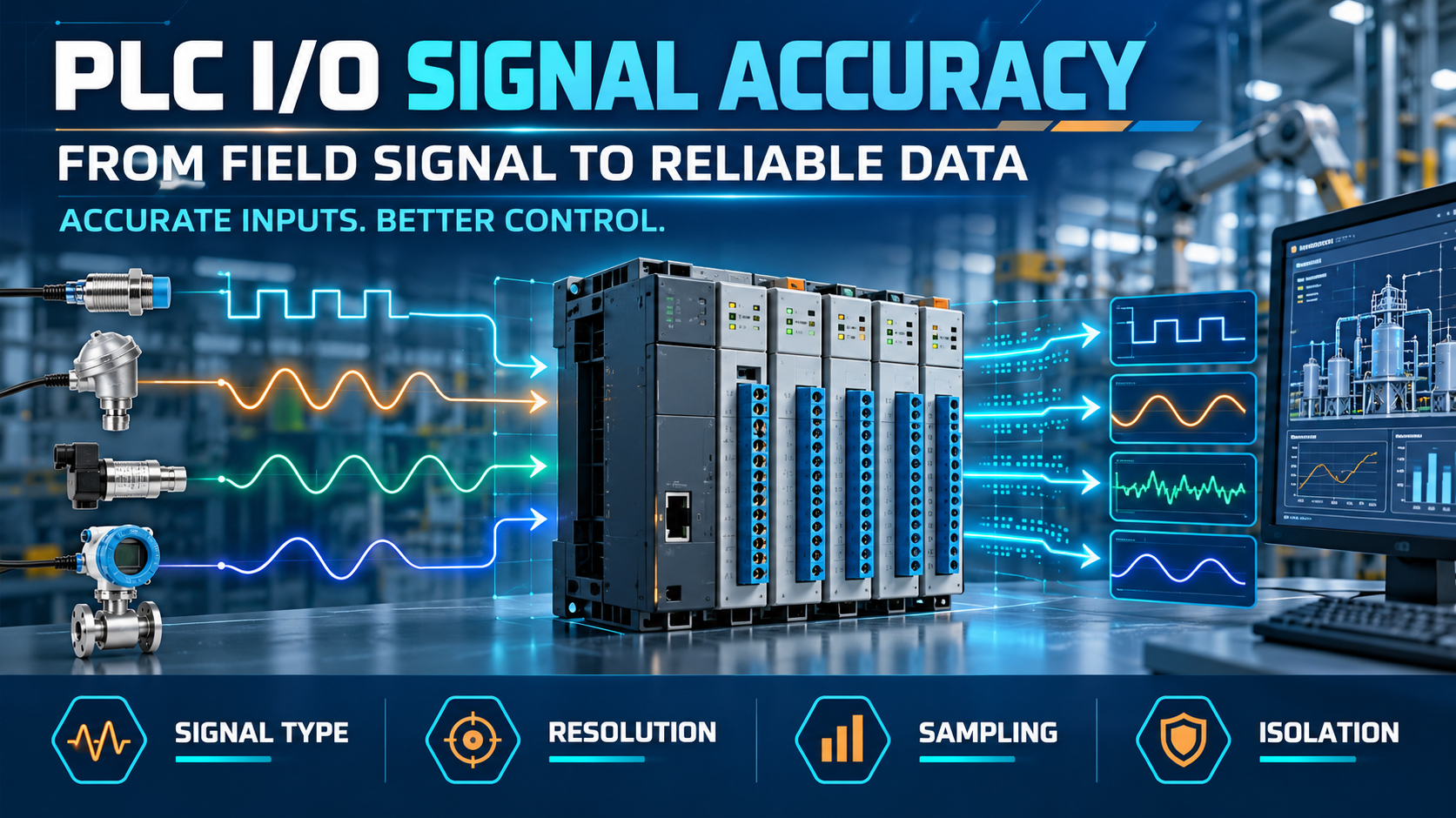
Understanding how a PLC IO module improves industrial signal processing accuracy is critical for manufacturers aiming to enhance their automation systems. As technology advances, the accuracy of signal processing becomes increasingly vital in ensuring efficient operations. B2B buyers, such as purchasing managers and engineers, often seek reliable information on selecting the right modules to optimize performance. This article will delve into the key considerations for choosing a PLC IO module, providing valuable insights to help you make informed purchasing decisions.
How to Choose the Right PLC IO Module for Accurate Signal Processing
Selecting the appropriate PLC IO module is essential for achieving accuracy in signal processing. Start by evaluating the application requirements. Consider factors such as the types of signals being processed analog, digital, or mixed as well as the required resolution and accuracy levels. For instance, if your application involves precise temperature control, you may need a module with high-resolution analog inputs.
Compatibility with existing systems is another crucial aspect. Ensure that the IO module can seamlessly integrate with your current PLC and other automation components. Key specifications to review include the communication protocols supported (e. g., Ethernet/IP, Modbus, or Profibus) and whether the module can handle the necessary data throughput.
Lastly, consider the environmental conditions where the module will operate. Factors such as temperature ranges, moisture levels, and exposure to chemicals can significantly impact performance. Choose a module designed for your specific operating environment to ensure reliability.
Top Specifications to Consider When Sourcing PLC IO Modules
When sourcing PLC IO modules, certain specifications are vital to ensure optimal performance in signal processing. Here are some of the key specifications to consider:
Input/Output Types: Identify whether you need digital or analog inputs and outputs, as well as the number of channels required. For applications needing precise control, choose modules with higher channel counts and versatility.
Resolution: For analog signals, resolution is measured in bits (e. g., 12-bit or 16-bit). Higher resolution allows for more precise readings, which is especially important in sensitive processes.
Sampling Rate: The speed at which an IO module can sample data impacts how quickly it can react to changes in the input signals. Ensure the module’s sampling rate meets your application’s demands.
Isolation: Electrical isolation protects the PLC and other components from voltage spikes, which can damage equipment. Look for modules with adequate isolation ratings.
Power Supply Requirements: Different modules may have varying power supply needs. Ensure compatibility with your existing systems and consider power redundancy if necessary.
By understanding these specifications, you can make a well-informed decision that aligns with your operational needs.
Quality, Cost, and Supplier Reliability
Balancing quality, cost, and supplier reliability is paramount when sourcing PLC processor module. High-quality components can significantly reduce downtime and maintenance costs in the long run. Look for suppliers with a proven track record of delivering robust components that adhere to industry standards. Certifications, such as ISO or CE, can be indicators of quality assurance.
Cost is an important consideration, but it should not be the sole deciding factor. A lower-priced module may not provide the longevity or reliability required for critical processes. It is often more beneficial to invest in a slightly more expensive module that offers better performance and durability.
Supplier reliability also plays a crucial role. A reputable supplier will not only provide high-quality products but also offer support, such as technical assistance and warranty services. Building a relationship with a trusted supplier can lead to more successful procurement experiences and peace of mind.
Understanding the Cost Factors of PLC IO Modules for Bulk Orders
When purchasing PLC IO modules in bulk, several factors influence overall costs. Understanding these factors can help you negotiate better pricing and make more informed purchasing decisions.
Volume Discounts: Many suppliers offer tiered pricing structures based on order quantity. Purchasing larger quantities can often lead to significant savings per unit.
Customization: If your application requires customized modules, be aware that this can affect lead times and costs. Custom features may incur additional charges, so it’s essential to communicate your needs clearly to the supplier.
Shipping and Handling: Consider the costs associated with shipping, especially for international orders. Shipping methods, insurance, and tariffs can all impact the final price.
Lead Time: Urgent orders may incur higher costs due to expedited shipping or production prioritization. Planning ahead can help avoid these extra expenses.
Aftermarket Support: Some suppliers offer ongoing technical support or maintenance services that can add to the overall cost but may be worth the investment for long-term reliability.
By evaluating these factors, you can better understand the cost implications of your bulk order and make more effective purchasing decisions.
Why Supplier Reliability Matters When Buying PLC IO Modules
Supplier reliability is critical when purchasing PLC control module, as it directly impacts the quality and performance of your automation systems. A reliable supplier ensures that you receive components that meet your specifications and are built to last.
Consistency: A dependable supplier provides consistent product quality, which is essential for maintaining the integrity of your industrial processes. Inconsistent components can lead to system failures and costly downtime.
Support and Service: Reliable suppliers often offer excellent customer service, including pre-sales support, technical assistance, and after-sales service. This support can be invaluable when troubleshooting issues or seeking guidance on product selection.
Reputation: A supplier's reputation in the industry can serve as an indicator of their reliability. Research customer reviews, testimonials, and case studies to gauge the experiences of others who have worked with the supplier.
Warranty and Return Policies: A trustworthy supplier will provide clear warranty terms and return policies, giving you confidence in your purchase. Understanding these policies can help mitigate risks associated with defective components.
Long-term Partnership: Building a relationship with a reliable supplier can lead to better pricing, priority service, and access to new technologies and products. This partnership can be advantageous for future projects and requirements.
The selection of PLC IO modules is a multifaceted process that requires careful consideration of specifications, quality, cost, and supplier reliability. By understanding these aspects, B2B buyers can make informed decisions that enhance their industrial automation systems and improve overall signal processing accuracy.