 EN
EN

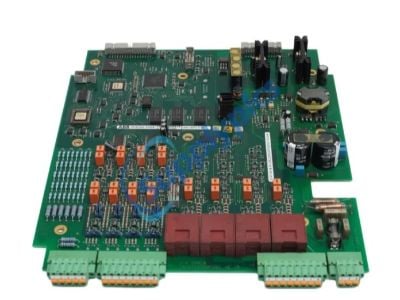
Understanding how to effectively manage your ControlLogix I/O expansion is crucial for maintaining optimal performance in industrial automation systems. This article focuses on the key aspects of checking chassis slots and power supply capacity to ensure your ControlLogix I/O modules operate seamlessly. B2B buyers, including purchasing managers and engineers, often face challenges in sourcing reliable components, and this guide aims to provide practical insights into evaluating and expanding your controller module I/O systems effectively.
How to Check ControlLogix Chassis Slot Availability for Expansion?
When considering ControlLogix I/O expansion, the first step is to verify the availability of chassis slots. Each control module chassis has a finite number of slots, typically ranging from 4 to 17, depending on the model. To check for available slots, follow these steps:
Consult the System Configuration: Access the RSLogix 5000 or Studio 5000 software used for programming your ControlLogix system. The software will display the current configuration, including occupied and free slots.
Identify the Modules Installed: Take note of the modules currently installed in the chassis. This includes I/O modules, communication modules, and power supplies. Ensure that the total number of installed modules does not exceed the chassis capacity.
Consider Future Expansion Needs: If planning to expand, consider not only the immediate need but also potential future requirements. It might be beneficial to leave slots available for future module additions or upgrades.
By properly assessing slot availability, you can avoid installation issues that may arise from inadequate space within the chassis, ensuring your system can adapt to future demands.
Understanding Power Supply Capacity for ControlLogix I/O Modules
Power supply capacity is another critical factor when expanding your ControlLogix I/O systems. Each I/O module requires a specific amount of power to function correctly, and exceeding the power supply capacity can lead to system failures or erratic behavior. Here's how to evaluate this:
Review Power Supply Specifications: Each ControlLogix power supply has a rated output capacity, usually measured in watts. For example, a typical power supply might have a capacity of 2,000 watts.
Calculate Total Power Requirements: Add up the power requirements of all installed power control module. Each module’s power consumption can be found in the manufacturer's documentation. Make sure to include any additional modules planned for future installation.
Ensure Adequate Headroom: It’s advisable to maintain a buffer or headroom of around 20% of the power supply capacity to account for unexpected power spikes or additional modules in the future.
By understanding and managing power supply capacity, you can ensure stable operation and prevent overloads that may compromise your automation system’s performance.
Evaluating Quality and Reliability of ControlLogix I/O Systems
Quality and reliability are paramount when selecting ControlLogix I/O systems, especially in critical industrial applications. Buyers should consider the following factors:
Manufacturer Reputation: Choose components from reputable manufacturers known for their quality control processes and reliability. Original components often undergo rigorous testing and certification, reducing the risk of failure.
Certification and Compliance: Ensure that the I/O modules conform to industry standards, such as ISO 9001 or CE marking. These certifications indicate adherence to stringent quality assurance processes.
Performance Testing: Look for modules that have been subjected to real-world performance testing, including environmental stress tests. Understanding how a module performs under various conditions can provide insights into its reliability.
Warranty and Support: Evaluate the warranty terms and customer support offered by the manufacturer. A strong warranty and responsive support can minimize downtime in the event of component failure.
By focusing on these quality indicators, buyers can make informed decisions that enhance the reliability of their ControlLogix I/O systems.
Where to Buy ControlLogix I/O Expansion Parts in Bulk?
Sourcing ControlLogix I/O expansion parts in bulk can streamline your procurement process and reduce costs. Here are some strategies to consider:
Established Distributors: Partner with established distributors that specialize in industrial automation components. These distributors often have access to inventory that includes hard-to-find parts, ensuring you can secure what you need.
Direct from Manufacturers: Purchasing directly from manufacturers can provide advantages such as bulk pricing, custom orders, and specialized support. Look for manufacturers with a strong track record in the industry.
Online Marketplaces: Utilize online B2B marketplaces that focus on industrial components. These platforms often allow you to compare prices and availability across multiple suppliers, making it easier to find competitive offers.
Bulk Purchase Agreements: Consider negotiating bulk purchase agreements to lock in pricing and ensure availability for future needs. This can help manage costs and ensure you have the necessary components on hand.
By leveraging these purchasing strategies, buyers can efficiently source ControlLogix I/O expansion parts while optimizing their procurement budgets.
Comparative Analysis of ControlLogix I/O Options for Distributors
For distributors, understanding the various ControlLogix I/O options available in the market is essential for providing customers with tailored solutions. Key aspects to compare include:
Module Compatibility: Ensure that the modules are compatible with existing systems and other components. This includes checking for communication protocols and module types.
Performance Specifications: Evaluate the performance specifications of different I/O modules, such as response time, data throughput, and environmental tolerances. Modules tailored for specific applications may offer enhanced performance.
Customization Options: Assess whether manufacturers offer customization options for modules, allowing you to meet unique customer requirements. This flexibility can be a significant selling point.
Total Cost of Ownership: Consider not just the initial purchase price but also the total cost of ownership, including maintenance, energy consumption, and potential downtimes. Modules that offer lower overall costs can be more attractive to buyers.
Supplier Reliability: Finally, evaluate the reliability and support provided by suppliers. A dependable supplier can enhance customer satisfaction and foster long-term relationships.
By conducting a thorough comparative analysis, distributors can position themselves as knowledgeable partners in the sourcing and selection of ControlLogix I/O solutions, catering effectively to their clients’ needs.
Table of Contents
- How to Check ControlLogix Chassis Slot Availability for Expansion?
- Understanding Power Supply Capacity for ControlLogix I/O Modules
- Evaluating Quality and Reliability of ControlLogix I/O Systems
- Where to Buy ControlLogix I/O Expansion Parts in Bulk?
- Comparative Analysis of ControlLogix I/O Options for Distributors