 EN
EN

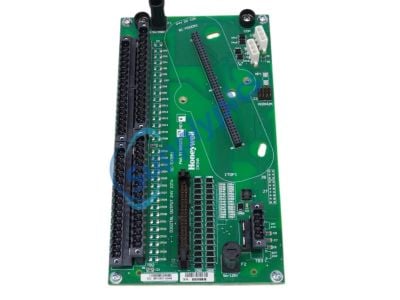
When it comes to Honeywell I/O replacement orders, understanding whether terminal assemblies and connectors are included is crucial for maintaining operational efficiency. This article aims to address the key concerns of purchasing managers, engineers, and product managers in the industrial sector. It will provide insights into selecting the right components, sourcing reliable connectors, and identifying common issues with Honeywell I/O parts. By the end, readers will have a better understanding of how to navigate the complexities of ordering these essential components.
What to Consider When Ordering Honeywell I/O Replacement Parts?
When placing orders for Honeywell I/O replacement parts, several factors must be considered to ensure compatibility and functionality. First, it's essential to verify the specific model numbers of the I/O units you need to replace. Each model may have unique specifications that affect how terminal assemblies and connectors fit into your overall system. Additionally, consider the application environment where these components will be used. Factors such as temperature extremes, exposure to moisture, and potential chemical interactions can influence material selection. For instance, if the components will be used in a humid environment, choosing corrosion-resistant materials is paramount to ensure durability and long-term performance. Lastly, evaluate your current inventory and lead times. Having a clear understanding of your stock levels helps in assessing how many units you need to order and when. This foresight can prevent operational delays and ensure your systems remain functional.
How to Choose the Right Terminal Assemblies for Your Needs?
Selecting the right terminal assemblies is critical to ensuring reliable connectivity and performance in your Honeywell I/O systems. Start by examining the electrical specifications, such as current and voltage ratings. Each terminal assembly must be capable of handling the expected electrical load to prevent overheating or failure. Moreover, consider the physical dimensions and layout of the panel view 800 hmi terminal 7 assemblies. The selected assemblies should fit within your existing infrastructure without requiring extensive modifications. It’s advisable to cross-reference the dimensions against your current setup, as even minor discrepancies can lead to installation issues. Customization options should also be explored. Some suppliers, such as Supplyplcs, may offer tailored solutions that can accommodate specific application needs. Inquire about their capabilities to modify terminal assemblies to suit your requirements, which can enhance compatibility and functionality.
Where to Source Reliable Honeywell I/O Connectors in Bulk?
Sourcing reliable Honeywell I/O connectors in bulk requires a strategic approach. Start by identifying reputable suppliers who specialize in industrial automation parts. Look for suppliers that have a strong track record of providing original components, as this ensures the quality and reliability you need for your operations. Evaluate your supplier options based on their inventory levels and lead times. Suppliers who maintain a robust stock of Honeywell I/O connectors can fulfill bulk orders promptly, minimizing downtime in your production processes. Additionally, inquire about their packaging methods and shipping practices to ensure that components arrive in optimal condition. When negotiating bulk orders, consider discussing pricing and minimum order quantities (MOQs). Establishing a long-term relationship with a supplier may yield better pricing structures and more favorable terms. Always ask for references or case studies from previous clients to gauge the supplier's reliability and customer service.
Key Specifications
Understanding key specifications is vital when ordering Honeywell I/O replacement parts. Start by confirming the following parameters:
Electrical Ratings: Ensure that the voltage and current ratings of both terminal assemblies and connectors match your operational requirements.
Material Composition: The materials used in manufacturing can impact the performance and longevity of components. Common materials include copper for connectors and thermoplastic for terminal housings.
Compatibility: Verify that the parts align with your existing Honeywell system. Cross-reference with technical datasheets or consult with your supplier for confirmation.
Dimensions: Accurate measurements are essential to guarantee that the plc module fit properly within your system. Pay special attention to the height, width, and depth of terminal assemblies.
Certifications: Check for compliance with industry standards, particularly if your application involves critical safety or regulatory considerations.
Common Problems with Honeywell I/O Parts and How to Solve Them
While Honeywell I/O parts are known for their reliability, some common issues can arise during their use. One prevalent problem is connector failure due to poor installation or environmental factors. To mitigate this risk, ensure that all connectors are securely fastened and that they are suited for the specific environmental conditions of your application. Another frequent issue is miscommunication between components, often stemming from incorrect wiring or mismatched specifications. To avoid this, double-check wiring diagrams and ensure that all parts are compatible with the intended setup. If you're experiencing consistent communication failures, consider consulting with a technical expert to troubleshoot the issue. Lastly, part obsolescence can pose a significant challenge. As technology evolves, certain Honeywell I/O motor driver module may be phased out. To address this, establish a proactive sourcing strategy by keeping updated with Honeywell's product lineup and working closely with suppliers like Supplyplcs, who are experienced in providing hard-to-find components. By planning ahead, you can prevent disruptions in your operations due to sudden part unavailability.