 EN

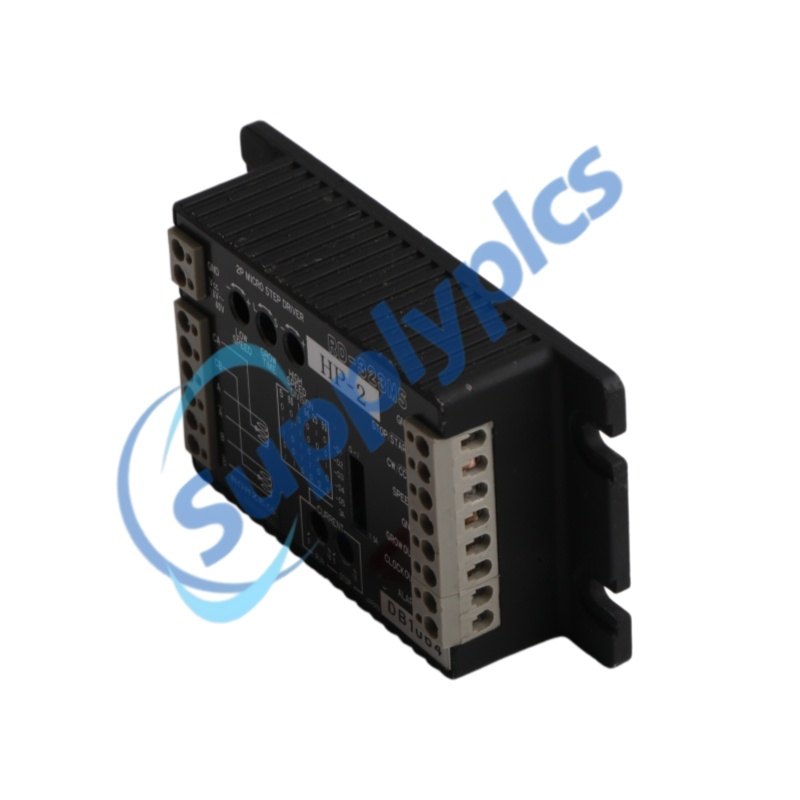
Understanding how motor driver modules optimize current regulation is crucial for professionals involved in industrial automation. These modules serve as essential components that control the power supplied to motors, ensuring efficient operation and reliability. As B2B buyers, purchasing managers, and engineers evaluate their options, concerns about compatibility, performance, and sourcing reliability often arise. This article aims to clarify how motor driver modules enhance current regulation, provide wholesale sourcing tips, assess quality standards, offer installation guidance, and explore cost factors in procurement.
How Motor Driver Modules Enhance Current Regulation for Buyers
Motor driver modules play a pivotal role in current regulation by managing the flow of electrical energy to motors. These modules utilize pulse-width modulation (PWM) techniques to control the voltage and current supplied to the motor. By adjusting these parameters, motor driver module can maintain optimal performance under varying load conditions, reduce energy consumption, and minimize heat generation.
For buyers, understanding the implications of current regulation is vital. Proper regulation prevents overheating, prolongs motor life, and enhances system reliability. Buyers should look for modules that offer adjustable current limits and thermal protection features, ensuring that the motor operates within its specified parameters. Additionally, compatibility with various motor types such as stepper, servo, or brushed DC motors should be a key consideration during procurement.
Wholesale Sourcing Tips for Reliable Motor Driver Modules
When sourcing motor driver modules, particularly in wholesale quantities, buyers should focus on several key factors to ensure reliability. First, it’s essential to evaluate the supplier's reputation and experience in the industry. Suppliers like Supplyplcs, known for providing high-quality industrial automation spare parts, can be a trusted source for original components.
Next, consider requesting samples before committing to a bulk order. This allows for testing in actual operating conditions, ensuring compatibility and performance meet specifications. Also, confirm the supplier’s quality assurance processes and certifications, which can indicate adherence to industry standards.
Buyers should also inquire about minimum order quantities (MOQ) and lead times, as these can significantly impact project timelines. Establishing clear communication regarding delivery schedules and any customization requirements is crucial to avoid delays.
Evaluating Quality Standards in Motor Driver Module Production
Quality standards in transmission module production are paramount for ensuring reliable operation. Buyers should familiarize themselves with industry certifications such as ISO 9001, which indicates a commitment to quality management systems. Understanding the manufacturing process is also essential; inquire about the materials used in production, as this can affect the module’s performance and durability.
A robust quality control process should include thorough testing of each module for performance under various conditions. Buyers should verify that the modules undergo stress testing, thermal cycling, and electrical testing to ensure they meet or exceed performance expectations.
Additionally, seek information about the manufacturer's production capabilities. A manufacturer with advanced production equipment and a well-defined quality assurance program is more likely to produce reliable products. This can ultimately reduce the risk of failures and enhance overall system performance.
Installation Guidance for Optimal Use of Motor Driver Modules
Proper installation of motor driver modules is critical for achieving optimal performance. Buyers should ensure that installation guidelines are provided by the manufacturer. These guidelines typically include wiring diagrams, recommended mounting methods, and protective measures to prevent damage during installation.
Before installation, it’s important to verify the compatibility of the motor driver module with the selected motor. This includes checking voltage ratings, current specifications, and pin configurations. During installation, ensure that proper grounding and shielding are implemented to minimize electrical noise, which can interfere with performance.
After installation, conducting functional tests is essential. This helps confirm that the module operates as expected under load conditions. Monitoring parameters such as temperature and current draw during initial operation can identify any potential issues early on.
Cost Factors in Motor Driver Module Procurement for Projects
Cost considerations play a significant role in the procurement of motor driver modules. Buyers should evaluate not only the initial purchase price but also the total cost of ownership, which includes installation, maintenance, and operational costs. Factors influencing pricing include the complexity of the processor module, customization options, and the supplier’s pricing structure.
Bulk purchasing can often lead to significant savings, but it’s important to balance cost with quality. Opting for lower-priced modules may result in increased failure rates and higher long-term costs due to replacements or repairs. Buyers should also consider the warranty and support services offered by the supplier, as these can impact the overall value of the investment.
Finally, understanding the market demand and potential fluctuations in pricing can aid in making informed purchasing decisions. Engaging with suppliers to discuss future pricing trends and potential discounts for larger orders can also help in budget planning.
By focusing on the above aspects, B2B buyers can make informed decisions when sourcing motor driver modules, ensuring reliability and efficiency in their automation projects.
Table of Contents
- How Motor Driver Modules Enhance Current Regulation for Buyers
- Wholesale Sourcing Tips for Reliable Motor Driver Modules
- Evaluating Quality Standards in Motor Driver Module Production
- Installation Guidance for Optimal Use of Motor Driver Modules
- Cost Factors in Motor Driver Module Procurement for Projects