 EN

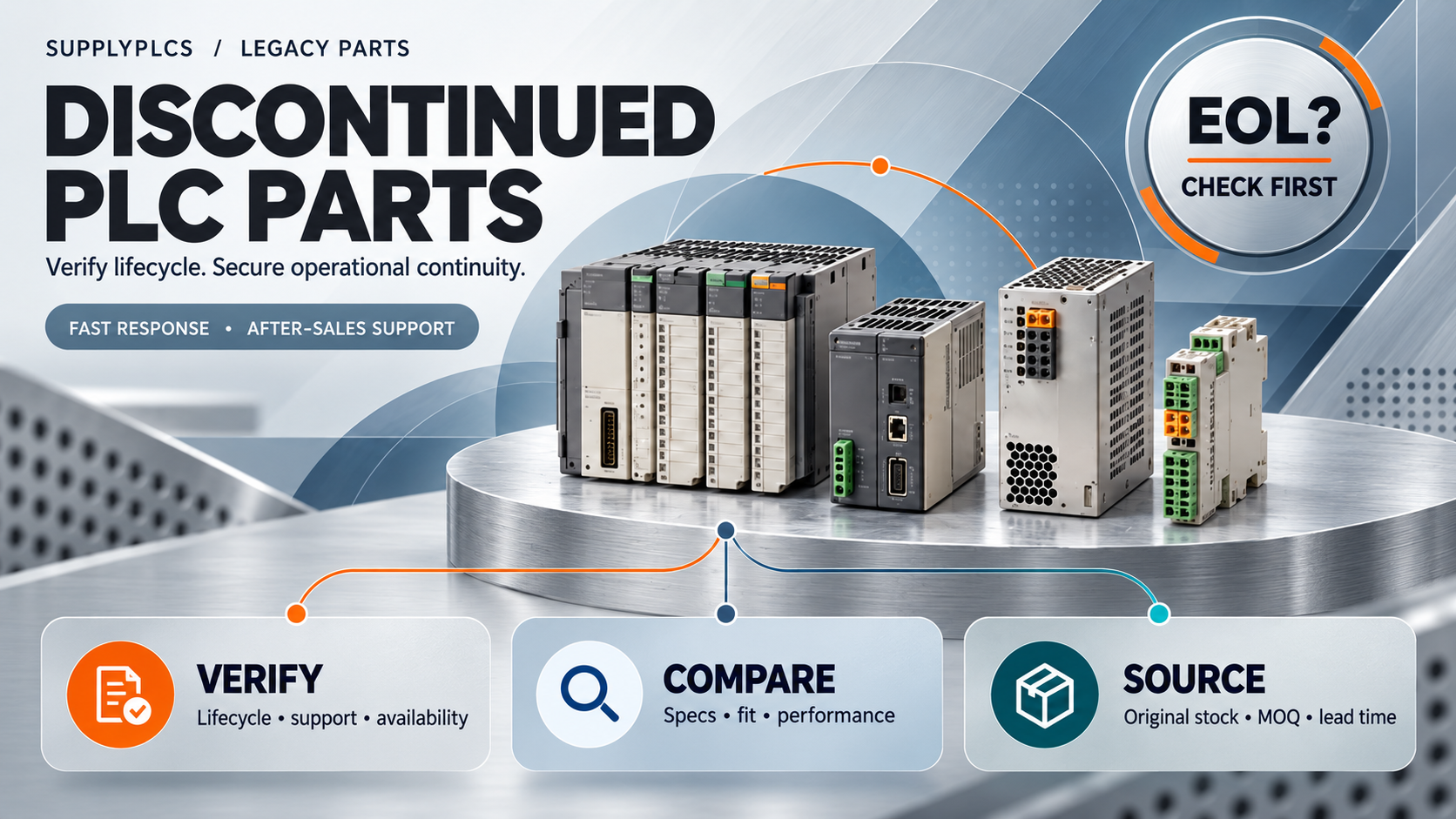
Discontinued PLC parts can pose significant challenges for industrial automation, especially when sourcing reliable replacements for aging machinery. As technology evolves, manufacturers often phase out older models, leaving buyers with the task of verifying lifecycle status and exploring sourcing options. This article delves into how to effectively navigate the complexities of discontinued PLC parts, addressing common buyer concerns and offering practical guidance to ensure a successful procurement process.
Where to Source Reliable Suppliers for Discontinued PLC Components?
Finding trustworthy suppliers for discontinued PLC components is crucial to maintaining operational efficiency. Start by utilizing specialized distributors like Supplyplcs, who focus on hard-to-find automation spare parts. These suppliers often have established networks with manufacturers and can provide original equipment manufacturer (OEM) components, ensuring compatibility and reliability. Additionally, consider industry forums and online marketplaces that cater specifically to industrial automation. Engaging in discussions with peers can reveal lesser-known suppliers who may have stock of discontinued parts. It's essential to verify suppliers' credentials, including their experience in the industry, customer reviews, and return policies, to ensure they meet your quality standards.
Bulk Order Options for Hard-to-Find Discontinued PLC Parts
When sourcing discontinued PLC parts, bulk ordering can be an effective strategy. Many suppliers, including Supplyplcs, offer discounts for larger quantities, making it a cost-effective option for businesses looking to stock up on essential components. Before placing a bulk order, evaluate your machinery’s requirements and consider future maintenance needs to avoid excess inventory. Moreover, confirm the supplier’s minimum order quantity (MOQ) and lead times for bulk orders. Ensure that the components are sourced from reputable manufacturers to guarantee quality and compatibility. This proactive approach can save time and money in the long run by reducing the frequency of order placements and minimizing downtime.
Compare Quality and Specifications of Discontinued PLC Components
Before purchasing discontinued PLC parts, it’s imperative to compare their quality and specifications. Key factors to evaluate include:
Material Composition: Ensure that the materials used in the components are suitable for your application, considering factors like temperature resistance and chemical exposure.
Dimensional Accuracy: Verify that the dimensions of the plc modules match the specifications of your existing equipment. Even small discrepancies can lead to functionality issues.
Performance Ratings: Assess the performance ratings of the components to ensure they meet your operational requirements. This includes checking for compliance with industry standards.
Without thorough comparison, you risk acquiring components that may not perform as expected, leading to potential operational disruptions. Engaging with suppliers who provide detailed product data sheets can facilitate informed decision-making.
What to Consider When Purchasing Discontinued PLC Parts Wholesale?
When purchasing discontinued PLC parts wholesale, several considerations can impact your procurement success:
Lifecycle Status: Always verify the lifecycle status of the parts. Understanding whether components are still supported by the manufacturer or if they are obsolete can influence your purchasing strategy.
Supplier Reliability: Research the supplier's history in sourcing discontinued plc input and output modules. Look for testimonials or case studies that demonstrate their effectiveness in providing quality components.
Quality Assurance: Ensure the supplier has robust quality control processes in place. This might include inspection procedures and certifications that guarantee the authenticity and performance of the parts.
Customization Needs: If your application requires specific adaptations, confirm whether the supplier can accommodate customization requests. This flexibility can be critical for ensuring seamless integration into your existing systems.
By addressing these factors, you can enhance the likelihood of a successful purchase and avoid common pitfalls associated with sourcing discontinued parts.
Common Problems with Discontinued PLC Parts and Effective Solutions
Sourcing discontinued PLC parts often comes with its own set of challenges. Here are some common issues and effective solutions:
Compatibility Issues: Discontinued parts may not always be compatible with newer systems. To mitigate this risk, consult with the supplier about potential cross-reference options or alternative components that can offer similar functionality.
Quality Concerns: As components become harder to find, counterfeit parts may enter the market. Rigorously vet suppliers and request documentation to verify authenticity. When possible, request samples for testing before committing to larger orders.
Limited Availability: Discontinued parts may be available in limited quantities, leading to supply constraints. To address this, maintain open lines of communication with suppliers about potential future availability and consider establishing long-term agreements for critical components.
By proactively identifying these common problems and implementing effective solutions, buyers can better navigate the complexities surrounding discontinued PLC parts and ensure continued operational success. In summary, sourcing discontinued plc module parts requires diligence and a strategic approach. By understanding where to find reliable suppliers, evaluating quality, and considering potential issues, you can significantly enhance your procurement process and maintain the efficiency of your industrial automation systems.
Table of Contents
- Where to Source Reliable Suppliers for Discontinued PLC Components?
- Bulk Order Options for Hard-to-Find Discontinued PLC Parts
- Compare Quality and Specifications of Discontinued PLC Components
- What to Consider When Purchasing Discontinued PLC Parts Wholesale?
- Common Problems with Discontinued PLC Parts and Effective Solutions