 EN
EN

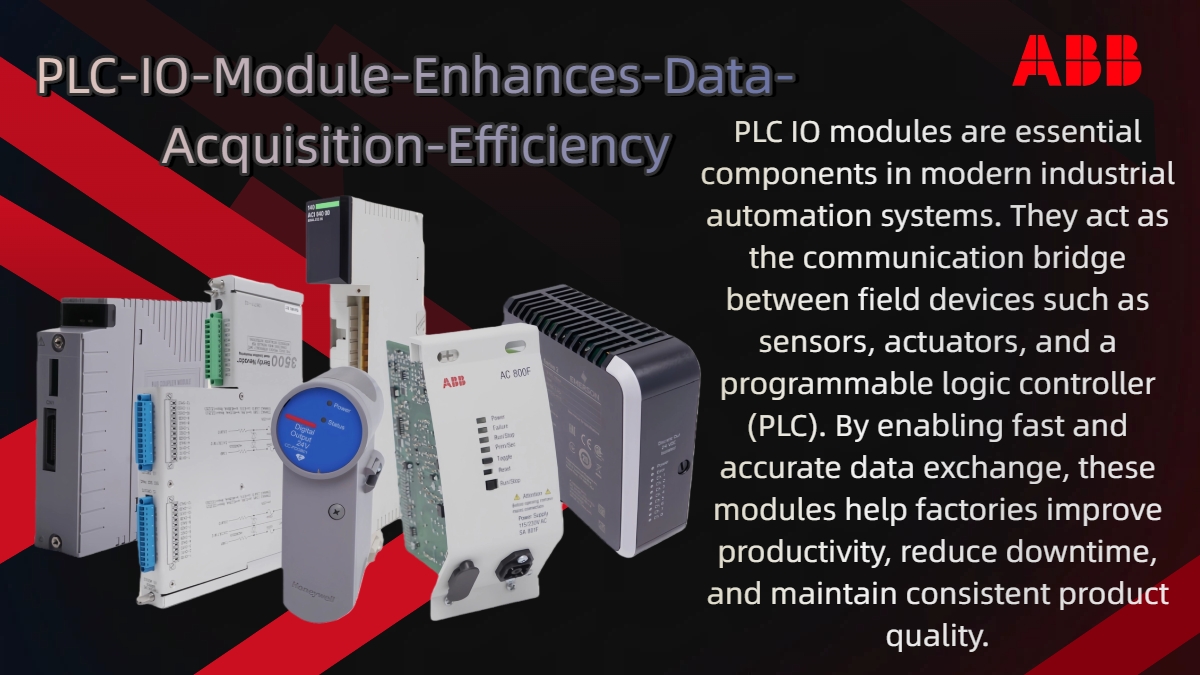
How PLC IO Modules Improve Data Acquisition Efficiency in Industrial Automation
PLC IO modules are essential components in modern industrial automation systems. They act as the communication bridge between field devices such as sensors, actuators, and a programmable logic controller (PLC). By enabling fast and accurate data exchange, these modules help factories improve productivity, reduce downtime, and maintain consistent product quality.
A reliable plc module allows industrial equipment to respond quickly to changing conditions, ensuring smooth and efficient operations. As manufacturers continue to embrace automation, the demand for high-performance plc modules continues to grow across various industries.
What Are the Key Benefits of PLC IO Modules in Industrial Automation?
PLC IO modules offer numerous advantages for industrial environments. One of their most important benefits is faster data acquisition. For example, when a temperature sensor detects a change, the PLC can instantly receive the information and adjust equipment settings to maintain optimal operating conditions. This rapid response helps prevent production issues before they occur.
Another major benefit is improved equipment monitoring. By collecting real-time operational data, maintenance teams can identify potential problems before they lead to costly breakdowns. Predictive maintenance reduces downtime and helps extend the lifespan of machinery.
Flexibility is another reason why PLC IO modules are widely used. They can connect to a wide range of sensors, switches, and control devices. This allows businesses to upgrade or expand their automation systems without replacing the entire infrastructure.
Cost savings are also significant. Better data collection enables manufacturers to optimize energy usage, reduce waste, and improve operational efficiency. Many modern IO solutions are designed for simple installation and maintenance, minimizing production interruptions during deployment.
In addition, a high-quality controller module can streamline communication between multiple devices, making complex automation systems easier to manage and operate.
How PLC IO Modules Overcome Common Data Acquisition Challenges
Data acquisition can be challenging in facilities that operate numerous machines and sensors simultaneously. PLC IO modules help address these challenges by providing reliable and accurate data collection.
One common challenge is the need for real-time information. Manufacturing processes often require immediate responses to changes in operating conditions. PLC IO modules continuously gather data and transmit it to the PLC, enabling rapid decision-making and process adjustments.
Data reliability is another critical concern. Electrical noise and signal interference can sometimes affect sensor readings. Modern IO modules include filtering and signal-conditioning features that help ensure accurate information reaches the control system.
Integration can also be difficult when equipment from different manufacturers is used within the same facility. Many PLC IO modules support multiple communication protocols, allowing diverse systems to work together seamlessly. This compatibility simplifies automation projects and improves overall system performance.
Cybersecurity has become increasingly important as industrial systems become more connected. Advanced controller module solutions often include security features that protect sensitive operational data and restrict unauthorized access.
By overcoming these common challenges, PLC IO modules help manufacturers maintain stable operations and improve production efficiency.
What Makes PLC IO Modules Essential for Modern Data Acquisition Systems?
PLC IO modules play a vital role in modern data acquisition systems because they provide the connection between field devices and control systems. Whether collecting information from temperature sensors, pressure transmitters, or motion detectors, these modules ensure data is transferred accurately and efficiently.
One key advantage is their ability to process multiple signals simultaneously. This capability allows facilities to collect large amounts of information in real time without sacrificing performance.
These modules also support both analog and digital signals, making them suitable for a wide range of industrial applications. From manufacturing plants and warehouses to energy facilities and agricultural operations, PLC IO modules provide the flexibility needed for diverse automation requirements.
Another reason they are essential is their ability to integrate with supervisory systems, cloud platforms, and industrial networks. The collected data can be analyzed to improve productivity, reduce operational costs, and support data-driven decision-making.
A dependable plc module forms the foundation of an efficient automation system, enabling organizations to achieve higher levels of control and visibility.
How to Maximize Data Acquisition Efficiency with the Right PLC IO Module
Selecting the right PLC IO module is crucial for achieving maximum efficiency. The first step is identifying the types of devices that need to be connected. Analog modules are ideal for monitoring variables such as temperature, pressure, and humidity, while digital modules are designed for on/off signals.
The number of input and output channels should also be considered. Facilities with multiple sensors can benefit from high-channel-density modules that collect data from several devices simultaneously, reducing hardware requirements and simplifying installation.
Compatibility is equally important. The selected module should work seamlessly with the existing PLC and communication network to ensure smooth data flow throughout the system.
Regular maintenance also plays a key role in performance. Periodic inspections, firmware updates, and system testing help maintain reliability and prevent unexpected failures.
By selecting the correct controller module, ensuring system compatibility, and following proper maintenance practices, businesses can significantly improve data acquisition efficiency and operational performance.
What Are the Latest Trends in PLC IO Module Technology for Wholesale Buyers?
The industrial automation industry continues to evolve, and PLC IO module technology is advancing rapidly. One of the most significant trends is the adoption of wireless communication. Wireless IO modules reduce installation complexity and provide greater flexibility in environments where running cables is difficult or expensive.
Another important development is faster processing capability. Modern plc modules can handle larger volumes of data with lower latency, allowing manufacturers to respond more quickly to operational changes and improve productivity.
User-friendly configuration tools are also becoming increasingly common. Many new modules feature intuitive software interfaces that simplify setup and reduce the need for extensive technical expertise.
Industrial Internet of Things (IIoT) integration is another growing trend. Today's IO modules are designed to connect with cloud platforms and advanced analytics systems, providing valuable insights into equipment performance and production efficiency.
As automation technologies continue to advance, investing in modern plc modules can help businesses stay competitive, improve operational efficiency, and prepare for future industrial challenges.
Conclusion
PLC IO modules are a critical component of modern industrial automation systems. They enable accurate data collection, improve equipment monitoring, enhance system flexibility, and support efficient decision-making. Whether used in manufacturing, energy production, logistics, or other industrial sectors, these modules provide the connectivity and performance required for successful automation.
By choosing the right controller module, implementing reliable plc module solutions, and staying informed about emerging trends in plc modules, businesses can maximize productivity, reduce costs, and achieve long-term operational success.
Table of Contents
- How PLC IO Modules Improve Data Acquisition Efficiency in Industrial Automation
- What Are the Key Benefits of PLC IO Modules in Industrial Automation?
- How PLC IO Modules Overcome Common Data Acquisition Challenges
- What Makes PLC IO Modules Essential for Modern Data Acquisition Systems?
- How to Maximize Data Acquisition Efficiency with the Right PLC IO Module
- What Are the Latest Trends in PLC IO Module Technology for Wholesale Buyers?
- Conclusion