 EN
EN

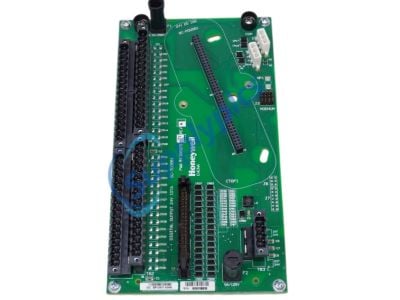
When considering the purchase of programmable logic controller (PLC) modules, understanding the intricacies of tested PLC modules is critical for making informed decisions. Buying tested PLC modules: what should a test report include? This article aims to clarify the essential elements that every test report should encompass, addressing buyer concerns such as quality assurance, compatibility, and performance standards. By the end, you will have a solid understanding of what to look for to ensure your procurement meets operational needs.
What to Look for in a PLC Module Test Report
A comprehensive test report is a vital document that outlines the performance and reliability of PLC modules. Key elements to consider include:
Test Procedures: The report should detail the methodologies used for testing, including environmental conditions, load tests, and the duration of the tests. This transparency allows you to assess whether the test conditions reflect your operational environment.
Performance Metrics: Look for information on key performance indicators such as response time, processing speed, and error rates. These metrics provide insight into how the plc modules
will perform under actual working conditions.
Compliance Standards: Ensure the report indicates compliance with relevant industry standards such as IEC, ISO, or UL certifications. Compliance confirms that the module meets established safety and performance benchmarks.
Manufacturer’s Warranty and Support: A good test report should also mention the warranty period and any after-sales support options. This information is crucial for long-term reliability and maintenance planning.
Traceability: The report should include serial numbers and batch codes to trace the module back to its production lot. This is important for quality control and for addressing any potential recalls or defects.
Key Specifications to Evaluate in PLC Modules
When assessing PLC modules, several specifications are crucial to ensure compatibility and performance:
Input/Output Configuration: Check the number and type of I/O points available. This dictates how many devices can be connected and how the PLC will interface with your existing systems.
Processing Capacity: Evaluate the processing speed and memory capacity, as these will impact the module's ability to handle complex tasks or large data sets.
Communication Protocols: Ensure the module supports the necessary communication protocols (e. g., Modbus, Profibus, Ethernet/IP) for integration with your existing systems.
Operating Temperature Range: Know the temperature and humidity specifications to ensure the module can operate effectively in your environment.
Power Supply Requirements: Different PLC modules have varying power needs. Confirm that your existing electrical infrastructure can accommodate the module's requirements.
How to Assess the Quality of Tested PLC Modules
Assessing the quality of tested PLC modules involves a multi-faceted approach:
Third-Party Testing: Look for modules that have undergone third-party testing and certification. This adds an extra layer of credibility to the test results.
User Reviews and Case Studies: Research user experiences and case studies related to the module in similar applications. This can provide practical insights into performance and reliability.
Sample Testing: Before committing to a bulk order, request samples and conduct your own tests in your operational context. This is crucial for verifying compatibility and performance.
Supplier Reputation: Research the supplier’s history and reputation in the industry. Suppliers with a proven track record are more likely to provide high-quality components.
Quality Control Processes: Understand the manufacturer's quality control procedures. Manufacturers that implement rigorous quality assurance measures are more likely to produce reliable products.
Common Problems with PLC Modules and Their Solutions
While PLC modules are generally reliable, several common issues can arise:
Incompatibility Issues: Ensure that the PLC module is compatible with existing equipment and software. Mismatched protocols or voltage levels can lead to system failures. Always verify compatibility before purchase.
Environmental Sensitivity: Some modules may fail in extreme temperatures or humidity. To mitigate this, select modules designed for harsh environments or install them in climate-controlled enclosures.
Software Bugs: Occasionally, firmware or software issues can cause operational hiccups. Ensure that the supplier provides regular updates and support for troubleshooting.
Electrical Noise: PLC modules can be sensitive to electrical noise, leading to erratic performance. Implementing proper grounding and shielding can help mitigate this issue.
Overloading: Running modules beyond their rated capacity can lead to failure. Always adhere to specified I/O limits and processing capabilities to prevent overloading.
Buyer’s Checklist
When preparing to purchase tested plc module, consider the following checklist:
Specify Your Requirements: Define the specifications needed based on your application, including processing power, I/O needs, and environmental conditions.
Request Comprehensive Test Reports: Ensure that the reports include detailed test procedures, performance metrics, compliance certifications, and warranty information.
Evaluate Supplier Credentials: Research the supplier's history, reputation, and quality control processes to ensure trustworthiness.
Test Samples: Always request samples for your evaluation before placing a bulk order.
Compare Multiple Options: Don’t settle for the first option. Compare different PLC modules based on specifications, performance, and pricing.
By following this guide, you can make an informed decision when purchasing tested PLC modules, ensuring they meet your operational requirements and contribute to the efficiency of your industrial automation systems.