 EN
EN

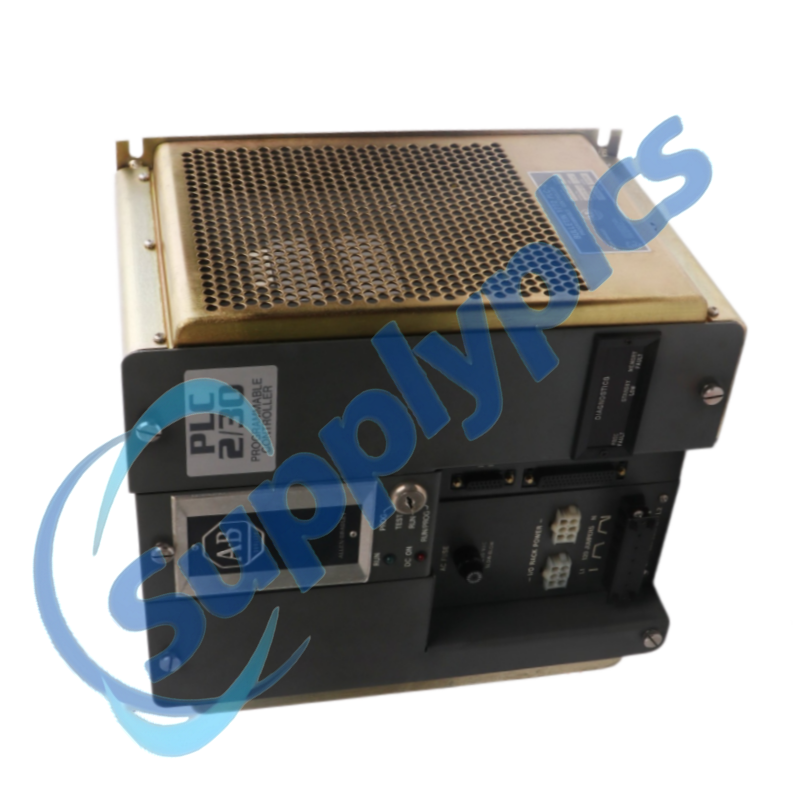
Understanding why prices differ for the same PLC part number can be a complex issue for B2B buyers. As sourcing reliable industrial automation spare parts becomes increasingly challenging, it’s essential to understand the factors influencing these price variations. We’ll explore the reasons behind differing prices for the same PLC part number and provide a buyer's checklist to ensure you make informed purchasing decisions.
Understanding Cost Variations for the Same PLC Part Number
Several factors can cause price discrepancies for the same PLC module number. First, the source of the components plays a significant role. Original Equipment Manufacturers (OEMs) often sell parts at higher prices due to brand reputation and warranty considerations. In contrast, third-party suppliers may offer lower prices but could compromise on quality or support.
Another factor is the condition of the part. New, refurbished, and used components can vary significantly in price. Buyers should carefully evaluate the condition of the part and consider how it aligns with their application requirements. Additionally, regional market conditions, such as tariffs, shipping costs, and local demand, can influence prices.
Lastly, suppliers’ pricing strategies, including their overhead costs, profit margins, and competition, can lead to variations. Buyers should conduct thorough research on potential suppliers to understand these dynamics better.
How to Choose a Reliable Supplier for PLC Components
Selecting a trustworthy supplier for PLC components is critical to ensuring quality and reliability. Start by verifying the supplier’s reputation and history in the industry. Look for reviews, testimonials, and case studies from previous customers. A supplier with a proven track record is more likely to provide the quality and service you require.
Next, consider their quality control processes. Reliable suppliers should have certifications, such as ISO 9001, indicating a commitment to maintaining high standards. It’s also wise to inquire about their inspection methods for incoming parts, as well as any testing procedures they employ before shipping to customers.
Finally, assess their customer service. A responsive supplier that offers support throughout the purchasing process can be invaluable, especially when issues arise. Effective communication and a willingness to address concerns can make a significant difference in the overall purchasing experience.
Key Specifications to Compare When Buying PLC Parts
When purchasing PLC control module, several key specifications should be compared to ensure compatibility and performance. First, the part’s electrical specifications, such as voltage, current, and compatibility with existing systems, are crucial. Mismatched electrical ratings can lead to failures or damage.
Next, consider the physical dimensions and mounting options. Ensure the part will fit within the designated space and is compatible with existing equipment. Factors such as weight and environmental ratings, like IP (Ingress Protection) ratings, should also be examined, particularly if the part will be used in harsh conditions.
Lastly, review the warranty and return policy. Understanding the terms of warranty can help buyers evaluate the long-term reliability of the components and provides peace of mind in case of defects.
Common Problems with Sourcing PLC Parts and Their Solutions
Sourcing PLC parts can present various challenges that buyers must navigate. One common issue is lead time variability. Parts may be in high demand, leading to longer wait times for delivery, which can disrupt production schedules. To mitigate this, buyers should always ask suppliers for estimated lead times and consider placing orders well in advance of when parts are needed.
Another challenge can be counterfeit or low-quality parts. To avoid this, buyers should only source from reputable suppliers who can provide documentation proving the authenticity of the parts. Requesting samples before placing bulk orders can also help verify quality.
Lastly, fluctuating prices can be a concern, especially for long-term projects. Buyers can address this by negotiating fixed pricing agreements or exploring bulk purchasing discounts to secure more stable pricing.
What to Consider When Bulk Ordering PLC Components
Bulk ordering PLC processor module can lead to significant cost savings, but several factors must be considered to ensure a successful purchase. First, evaluate the minimum order quantities (MOQ) set by suppliers. Understanding these requirements can help avoid unexpected costs.
Next, consider the storage and inventory management of the components. Ensure that you have the capacity to store the parts safely and that they remain in good condition until needed. Discussing shelf life and proper storage conditions with the supplier is also essential, especially for components sensitive to environmental factors.
Additionally, assess the potential for customization. Bulk orders may provide opportunities for customizing specifications to better fit your needs. Engaging with your supplier about customization options can lead to more effective solutions tailored to your specific applications.
By following these guidelines and understanding the nuances behind pricing variations and sourcing challenges, buyers can navigate the complexities of purchasing PLC components more effectively. This knowledge empowers purchasing managers, engineers, and product managers to make informed decisions that meet their operational needs while ensuring quality and reliability.