 EN
EN

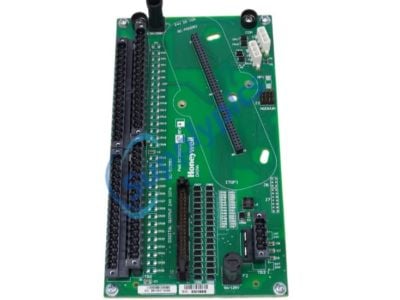
When purchasing PLC (Programmable Logic Controller) modules, buyers often face the choice between new, new old stock, or refurbished options. Each category has its pros and cons, making it essential to understand the differences and what to consider before making a decision. This article will explore the key factors that B2B buyers should evaluate regarding new, new old stock, or refurbished plc module, helping them make informed purchasing decisions.
What to Consider When Choosing New vs. Refurbished PLC Modules?
When considering whether to purchase new, new old stock, or refurbished PLC modules, several factors are critical. New plc modules are typically the latest technology, with up-to-date features and warranties. They also come directly from the manufacturer, ensuring full compliance with quality standards. However, they can be significantly more expensive.
In contrast, refurbished PLC modules can offer a more cost-effective solution. These modules have been tested and repaired, often meeting original manufacturer specifications. Buyers should be cautious, however, as the refurbishment process may vary between suppliers. It's crucial to verify that the refurbished modules come with a warranty and have undergone rigorous testing to ensure reliability.
New old stock (NOS) PLC modules present a unique option, often representing excess inventory that has never been used. These products can be an excellent choice for buyers seeking specific older models that are no longer produced. While they often come at a lower price point than new modules, buyers should confirm the condition and functionality of these items, as they may have been stored for extended periods.
Key Specifications to Evaluate in PLC Modules for Wholesale Buyers
When evaluating PLC modules for wholesale purchases, several specifications should be closely examined:
Compatibility: Ensure that the PLC module is compatible with existing systems. This includes checking communication protocols, I/O configurations, and physical dimensions.
Performance Specifications: Assess the processing speed, memory capacity, and the number of I/O points. These factors impact the module's ability to handle complex automation tasks.
Environmental Ratings: Depending on the application, consider the module's environmental ratings, such as temperature and humidity tolerance. This is crucial for ensuring that the module can operate effectively in the intended environment.
Certification Standards: Look for certifications such as CE, UL, or IEC that indicate compliance with industry standards. These certifications can provide assurance regarding safety and reliability.
Warranty and Support: Evaluate the warranty terms and the availability of technical support from the supplier. A robust warranty and responsive support can significantly affect long-term performance and maintenance.
By focusing on these specifications, buyers can ensure they select the right plc io module that meet their operational needs and technical requirements.
Where to Find Reliable Suppliers for New and Refurbished PLC Modules?
Finding reliable suppliers for new and refurbished PLC modules is crucial for B2B buyers. Start by researching manufacturers known for their quality and support in the industrial automation sector. Supplier directories and trade shows can also provide valuable contacts and insights into reputable companies.
Supplyplcs, for example, specializes in hard-to-find industrial automation spare parts, including new and refurbished PLC modules. When evaluating suppliers, consider factors like:
Reputation: Look for reviews or testimonials from previous customers.
Experience: Suppliers with extensive industry experience are often better equipped to provide quality products and service.
Quality Control Processes: Inquire about their quality assurance measures for refurbished products. A supplier should be able to demonstrate rigorous testing and inspection protocols.
Establishing a good relationship with suppliers can also lead to better service, pricing, and potentially customized solutions tailored to specific needs.
Common Problems with PLC Modules and Effective Solutions for Buyers
Understanding potential issues with PLC modules can help buyers avoid costly mistakes. Common problems include:
Incompatibility: Modules may not integrate well with existing systems if compatibility isn’t verified beforehand. To mitigate this, buyers should provide detailed system specifications to suppliers.
Obsolescence: Older models may become obsolete, leading to difficulties in sourcing replacement parts. Buyers should consider the long-term availability of the products and evaluate the supplier's commitment to supporting older technologies.
Quality Variability: Refurbished modules may vary in quality based on the supplier’s refurbishment process. Buyers should request details on the refurbishing process, including any certification or testing performed.
Environmental Factors: PLC modules may fail prematurely if not rated for specific environmental conditions. Buyers should ensure that the selected modules meet the necessary environmental specifications for their application.
By proactively addressing these issues, buyers can enhance the reliability and longevity of their PLC modules.
Advantages of New Old Stock PLC Modules for Industrial Applications
New old stock (NOS) PLC modules offer unique advantages for industrial applications. One of the primary benefits is cost savings. NOS items are often priced lower than their brand-new counterparts, making them an attractive option for budget-conscious buyers.
Another advantage is the availability of discontinued models. Many industries rely on specific PLC models that may no longer be in production. NOS can provide a critical solution for maintaining legacy systems without the need to upgrade entire setups.
Quality is also a consideration; while NOS components have not been used, they should still be evaluated for performance. Buyers should inquire about the storage conditions of these components, as excessive moisture or temperature fluctuations can affect their functionality.
Lastly, NOS PLC modules can often be delivered quickly, reducing lead times for critical projects. By ensuring that these modules meet the necessary specifications and quality standards, buyers can leverage them effectively in their operations.
In summary, whether considering new, new old stock, or refurbished PLC modules, thorough evaluation of specifications, supplier reliability, and potential issues will empower B2B buyers to make informed purchasing decisions that align with their operational needs.
Table of Contents
- What to Consider When Choosing New vs. Refurbished PLC Modules?
- Key Specifications to Evaluate in PLC Modules for Wholesale Buyers
- Where to Find Reliable Suppliers for New and Refurbished PLC Modules?
- Common Problems with PLC Modules and Effective Solutions for Buyers
- Advantages of New Old Stock PLC Modules for Industrial Applications