 EN

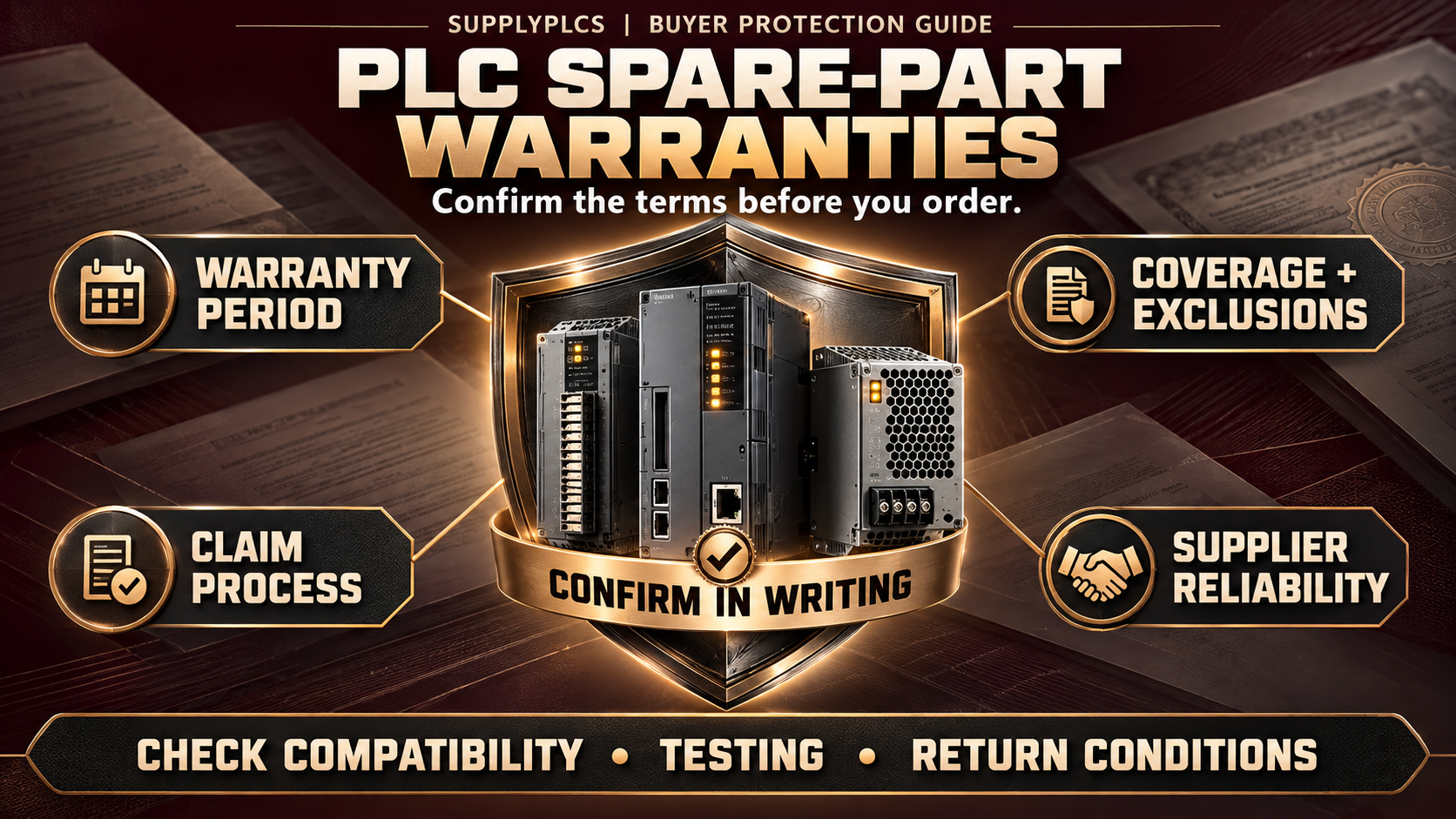
Understanding PLC spare-part warranties is crucial for B2B buyers in the industrial automation sector. These warranties can significantly affect the reliability and performance of the components you source. Before placing an order, it’s essential to confirm specific details to ensure that you are making a sound investment. This article will guide you through what to confirm about PLC spare-part warranties, how to evaluate supplier reliability, the key specifications to look for, common problems, and how to compare warranties from different suppliers.
What to Confirm About PLC Spare-Part Warranties Before Ordering
When ordering PLC modules spare parts, it's vital to confirm the warranty terms provided by the supplier. Start by verifying the warranty period; a longer warranty often indicates greater confidence in the product's durability. Check if the warranty covers defects in material and workmanship, as well as failure due to improper installation or operation.
Additionally, inquire about the warranty claim process. A straightforward and efficient claims process can save you significant downtime in case of a malfunction. Ensure you understand any conditions that might void the warranty, such as unauthorized repairs or modifications to the part. Lastly, determine if the warranty is transferable, especially if you plan to resell the equipment in the future.
How to Evaluate Supplier Reliability for PLC Spare Parts
Evaluating supplier reliability is a critical step in ensuring that you receive quality PLC spare parts. Start by researching the supplier's reputation in the industry. Look for reviews, testimonials, and case studies from other clients. A supplier with a solid track record is more likely to provide quality products and services.
Next, assess their manufacturing capabilities. A reliable supplier should have robust quality control processes in place, such as ISO certifications or other industry-standard quality assurance measures. It’s also beneficial to inquire about their sourcing practices for materials, which can affect the longevity and reliability of the parts.
Lastly, consider their customer service. A responsive and knowledgeable support team can assist you promptly with inquiries and issues, which is crucial in the fast-paced industrial environment.
Key Specifications to Look for in PLC Spare-Part Warranties
When examining PLC spare-part warranties, several specifications should be prioritized to ensure compatibility and performance. First, review the operational parameters of the spare part, such as voltage, current ratings, and environmental conditions it can withstand. These factors are critical in ensuring that the part will function correctly in your specific application.
Additionally, confirm the materials used in manufacturing the PLC digital input parts. The choice of materials can influence the part's resistance to wear, corrosion, and temperature fluctuations. If your application has unique requirements, discuss them with the supplier to ensure the part meets these specifications.
Lastly, inquire about the testing processes the parts undergo before shipment. Parts that have undergone rigorous testing are more likely to perform reliably in your systems.
Common Problems with PLC Spare Parts and Their Solutions
B2B buyers should be aware of common issues related to PLC spare parts to mitigate risks effectively. One prevalent issue is compatibility. If a part is not compatible with the existing system, it may lead to operational failures. To avoid this, always confirm model specifications and compatibility with your existing PLC system before ordering.
Another common problem is the quality of the components. Inferior materials can lead to premature failure. Therefore, ensure that the supplier provides information regarding the origin of materials and their quality standards. Furthermore, if you receive a defective part, knowing the warranty terms and the return process is essential.
Lastly, consider the potential for outdated technology. PLC spare parts can quickly become obsolete. Regularly check with your supplier for updates on newer models or replacements to ensure your systems remain efficient and up-to-date.
How to Compare PLC Spare-Part Warranties from Different Suppliers
To make an informed decision, comparing PLC spare-part warranties from multiple suppliers is vital. Start by creating a checklist of warranty features that matter most to your operation. This may include the duration of the warranty, coverage details, and claim processes.
Next, evaluate the warranty terms side by side. Look for any differences in what is covered and any exclusions that could impact your business. Pay attention to the claims process; a more straightforward process can significantly reduce downtime in the event of an issue.
Additionally, consider the supplier's reputation and reliability alongside the warranty terms. A supplier with a robust warranty but a poor track record may not be the best choice. Combining warranty features with supplier reliability will provide a more comprehensive view, helping you make a more informed purchasing decision.
By carefully confirming the details of PLC processor module spare-part warranties, evaluating supplier reliability, assessing key specifications, understanding common problems, and comparing offers, you can make confident purchasing decisions that will meet the needs of your industrial automation requirements.
Table of Contents
- What to Confirm About PLC Spare-Part Warranties Before Ordering
- How to Evaluate Supplier Reliability for PLC Spare Parts
- Key Specifications to Look for in PLC Spare-Part Warranties
- Common Problems with PLC Spare Parts and Their Solutions
- How to Compare PLC Spare-Part Warranties from Different Suppliers