 EN

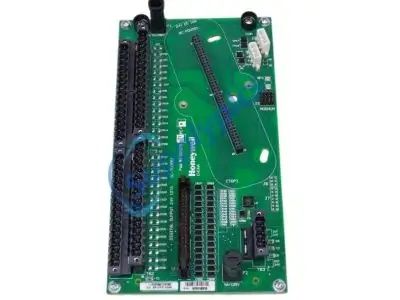
When dealing with industrial automation systems, ensuring the reliability and performance of Programmable Logic Controllers (PLCs) is crucial. A key aspect of maintaining these systems is the procurement of spare parts. Before installation, it is essential to inspect receiving PLC spare parts carefully. This article outlines the critical factors that B2B buyers must consider, addressing common concerns such as compatibility, quality assurance, and sourcing reliable components. By understanding these inspection criteria, purchasing managers, engineers, and product managers can make informed decisions that enhance operational efficiency and minimize downtime
What to Inspect in PLC Spare Parts Before Installation
Before installing any PLC spare parts, conducting a thorough inspection is vital. Start by verifying the part number and specifications against your order documentation to ensure you received the correct component. Pay attention to the physical condition of the parts; they should be free from damage such as scratches, dents, or signs of corrosion. Additionally, checking for proper labeling and documentation is necessary. This includes ensuring that you have the necessary certificates of authenticity and compliance with industry standards
Another essential factor is to inspect the connectors and terminals for any signs of wear or damage. Poor connections can lead to operational failures. Lastly, consider the packaging of the components. Proper packaging can often indicate the manufacturer's commitment to quality; components should be well-protected to prevent damage during transit
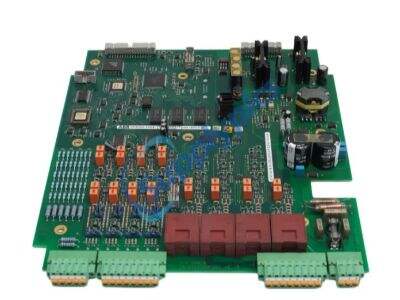
How to Evaluate Quality of PLC Spare Parts for Your Projects
Quality evaluation of PLC spare parts should focus on several key areas. Firstly, examine the materials used in the components. High-quality materials contribute to durability and performance. For instance, parts made from robust plastics or metals typically offer better longevity and resistance to environmental factors
Next, assess the manufacturing process used for the components. Understanding whether the parts are produced through stringent quality control processes can give insights into their reliability. Inquire about the manufacturer's certifications, such as ISO 9001, which indicates adherence to quality management standards
Lastly, consider the performance metrics specific to your application. Each PLC component may have unique performance requirements based on the system's operational demands. A comprehensive evaluation should include checking compatibility with existing systems and confirming that the parts meet the anticipated load and temperature conditions
Choosing the Right Source for PLC Components
Selecting a reliable source for PLC components is critical in ensuring quality and timely delivery. Start by researching suppliers with a proven track record in the industry, particularly those who specialize in hard-to-find or original components, like Supplyplcs. Look for customer reviews and case studies that demonstrate their reliability and service quality
Additionally, evaluate the supplier's inventory management practices. A supplier with a well-maintained stock of components is more likely to fulfill your orders quickly, reducing lead times. It's also beneficial to inquire about their relationship with manufacturers; direct partnerships often translate to better pricing and access to newer products
Finally, consider the supplier’s customer service and support. A responsive supplier who understands your needs can provide additional value through guidance on product selection and post-purchase support
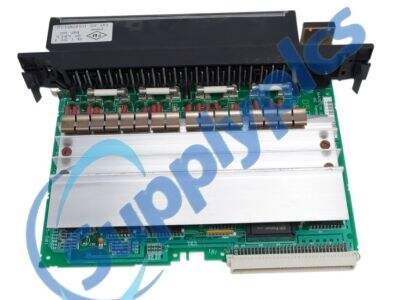
Key Specifications to Consider When Buying PLC Spare Parts
When purchasing PLC spare parts, several specifications are crucial to ensure compatibility and performance. First, verify the dimensions of the parts, ensuring they match the original specifications for seamless integration. Incorrect dimensions can lead to installation challenges and operational inefficiency
Next, confirm the electrical specifications, including voltage ratings, current capacity, and insulation types. These factors will determine how well the component performs under specific operational conditions
Material specifications are also essential; they influence durability and suitability for various environments. For instance, components exposed to high temperatures or corrosive substances should be made from materials that can withstand those challenges
Lastly, consider the components' certifications and compliance with industry standards, such as CE marking or UL listing, which can serve as assurance of quality and safety
How to Compare PLC Spare Parts for Bulk Orders and Wholesale Purchases
When evaluating PLC spare parts for bulk orders or wholesale purchases, a systematic approach to comparison can yield significant benefits. Start by analyzing the pricing structures from different suppliers. Bulk orders often come with discounts, but ensure that the quality is not compromised for a lower price
Next, assess the lead times associated with each supplier. Timeliness is critical in manufacturing; delays can result in costly downtime. Inquire about the supplier's ability to meet your required delivery schedules, especially when placing large orders
It’s also important to compare the minimum order quantities (MOQ) required by different suppliers. Understanding the MOQ can help you manage inventory levels effectively and avoid overstocking
Lastly, review the warranty and return policies each supplier offers. A favorable warranty can provide peace of mind and protect against potential defects in bulk purchases, allowing for easier returns or exchanges if necessary
By closely examining these factors, you can make informed decisions that align with your operational requirements and budget constraints