 EN

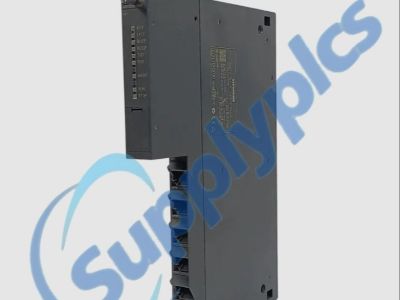
The choice between the ABB IMMFP12 and IMSET01 modules is crucial for professionals in industrial automation. Each module has its unique specifications and applications, raising questions about compatibility, performance, and sourcing. This article aims to clarify the differences between these two INFI 90 controller module, helping purchasing managers, engineers, and product managers make informed decisions that align with their operational needs.
What Are the Key Specifications of ABB IMMFP12 and IMSET01 Modules?
The ABB IMMFP12 and IMSET01 modules are integral components of the INFI 90 automation system, each designed for specific applications and functionalities.
ABB IMMFP12
Functionality: The IMMFP12 is primarily a multifunctional input/output module. It supports various signal types, allowing for versatile integration into different system architectures.
Input/Output Channels: It typically includes multiple channels for both digital and analog signals, enhancing its capability for comprehensive system monitoring and control.
Communication Protocol: The IMMFP12 supports standard communication protocols, ensuring compatibility with existing industrial systems and ease of integration.
ABB IMSET01
Functionality: The IMSET01 is designed specifically for signal processing, providing precise control and feedback in automation environments.
Input/Output Channels: This motor driver module also features multiple channels but is optimized for specific signal types, which can limit its versatility compared to the IMMFP12.
Communication Protocol: Like the IMMFP12, it supports various communication protocols but may have specialized configurations tailored for specific applications.
Understanding these specifications is essential for selecting the appropriate module for your automation needs. Buyers should evaluate how each module's capabilities align with their operational requirements and system architecture.
Wholesale Purchasing Guide for ABB IMMFP12 and IMSET01 Modules
When considering the purchase of ABB IMMFP12 or IMSET01 modules, several factors come into play that can significantly affect the procurement process.
Sourcing
Reputable Suppliers: Always source from reputable suppliers like Supplyplcs, known for providing hard-to-find, high-quality parts. Verify their credentials and customer reviews.
Bulk Orders: If you are purchasing wholesale, inquire about bulk pricing and discounts. Many suppliers offer better rates for larger quantities.
Specifications
Exact Model Numbers: Ensure you specify the exact model number when placing an order to avoid compatibility issues.
Documentation: Request all relevant documentation, including technical specifications and compliance certifications, to ensure that the abb io module meet your operational standards.
Lead Time
Delivery Expectations: Discuss lead times with your supplier, especially if you are working on a tight schedule. Some components may have longer lead times due to demand or sourcing challenges.
By following these guidelines, buyers can streamline the purchasing process and ensure they acquire the right modules for their applications.
Cost Factors When Evaluating ABB IMMFP12 vs IMSET01 Modules
Cost considerations are critical when evaluating the ABB IMMFP12 and IMSET01 modules. Several factors can influence the overall cost of these modules:
Module Complexity
The IMMFP12, being a multifunctional module, may carry a higher price tag due to its versatility and advanced capabilities. In contrast, the IMSET01, while specialized, may be less expensive but could require additional components to achieve similar functionality.
Quantity
Pricing can vary significantly based on the quantity ordered. Larger orders often qualify for discounts, so it is advisable to assess your needs and potential future requirements to take advantage of bulk pricing.
Additional Costs
Consider any additional costs associated with installation, integration, and potential training for your team. These factors can add to the total cost of ownership and should be factored into your budget.
Evaluating these cost factors will help you make a more informed purchasing decision, ensuring you stay within budget while meeting your operational requirements.
Application Scenarios for ABB IMMFP12 and IMSET01 Modules in Industry
Understanding the application scenarios for the ABB IMMFP12 and IMSET01 modules is vital for selecting the right module for your needs.
ABB IMMFP12 Applications
Process Control: The IMMFP12 is ideal for applications requiring diverse input/output capabilities, such as process control in manufacturing plants.
Data Acquisition: Its ability to handle various signal types makes it suitable for data acquisition systems, enabling real-time monitoring and analysis.
ABB IMSET01 Applications
Signal Processing: The IMSET01 excels in applications where precise signal processing is necessary, such as in robotics or automated assembly lines.
Feedback Mechanisms: It is often employed in systems that require immediate feedback for operational adjustments, enhancing overall efficiency.
By understanding these application scenarios, purchasing managers and engineers can better assess which module aligns with their specific operational needs.
How to Ensure Quality When Sourcing ABB IMMFP12 and IMSET01 Parts?
Ensuring the quality of ABB IMMFP12 and IMSET01 parts is critical for maintaining operational efficiency and reducing downtime. Here are key steps to take:
Supplier Verification
Check Certifications: Verify that your supplier has the necessary certifications and quality management systems in place. This can include ISO certifications that demonstrate adherence to industry standards.
Request Samples: Before committing to a large order, request samples to review the quality and compatibility of the modules with your existing systems.
Quality Control Processes
Incoming Inspection: Implement a quality control procedure for incoming shipments. This should include checking for physical damage, verifying model numbers, and ensuring that the specifications meet your requirements.
Testing Procedures: Conduct rigorous testing of the modules under actual operating conditions before full-scale deployment. This helps identify any issues that may not be apparent during initial inspections.
By prioritizing quality assurance measures, buyers can mitigate risks associated with sourcing industrial automation components, ensuring reliable performance in their applications.
Table of Contents
- What Are the Key Specifications of ABB IMMFP12 and IMSET01 Modules?
- Wholesale Purchasing Guide for ABB IMMFP12 and IMSET01 Modules
- Cost Factors When Evaluating ABB IMMFP12 vs IMSET01 Modules
- Application Scenarios for ABB IMMFP12 and IMSET01 Modules in Industry
- How to Ensure Quality When Sourcing ABB IMMFP12 and IMSET01 Parts?