 EN

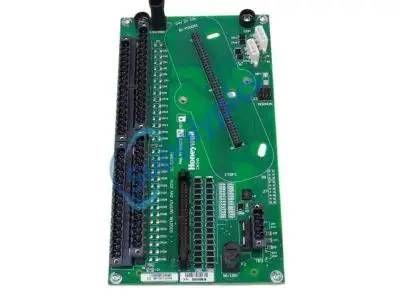
When sourcing spare parts for industrial automation, understanding the intricacies of ABB S800 Module Termination Units (TUs) is crucial. These units serve as critical interfaces in control systems, providing connectivity and signal management between various components. With the growing complexity of industrial systems, buyers must pay close attention to specific details that influence performance, compatibility, and reliability. This article will guide you through the key specifications, purchasing tips, quality considerations, installation challenges, and supplier evaluations for ABB S800 TUs, ensuring you make informed procurement decisions
Key Specifications to Evaluate When Buying ABB S800 TUs
When selecting ABB S800 termination units, several specifications warrant careful evaluation. Key parameters include the module type, input/output configurations, and the electrical ratings such as voltage and current capacity. Understanding these specifications is essential because they dictate the unit's compatibility with existing systems and the overall reliability of your automation setup
Module Type: ABB S800 offers various module types, including digital, analog, and mixed-signal units. Buyers should assess which type aligns with their application needs. For instance, digital TUs are suitable for discrete signal applications, while analog TUs are essential for continuous signal interfaces
Electrical Ratings: It is crucial to verify the voltage and current ratings of the TUs. A mismatch could lead to operational failures or even equipment damage. Always confirm that the units meet your system's electrical requirements
Communication Protocols: Different models may support various communication protocols such as Ethernet, Profibus, or Modbus. Ensure that the selected TUs are compatible with the communication standards used in your facility
Environmental Ratings: Consideration of the environmental conditions in which the units will operate is vital. Verify the temperature range, humidity levels, and protection ratings (like IP ratings) to ensure durability and performance in your specific setting
By understanding these specifications, buyers can select ABB S800 TUs that not only fit their immediate needs but also ensure long-term reliability and efficiency
Wholesale Purchasing Tips for ABB S800 Termination Units
When purchasing ABB S800 termination units in bulk, several strategies can help optimize costs and ensure quality. Here are some tips for wholesale buyers:
Establish Relationships with Suppliers: Building a rapport with suppliers can lead to more favorable pricing and terms. Discuss your specific needs and potential volume discounts, as suppliers may offer better rates for larger orders
Request Detailed Quotations: When seeking quotes, provide comprehensive details about your requirements, including model numbers, quantities, and any specific configurations. This clarity helps suppliers give accurate pricing and lead times
Evaluate Total Cost of Ownership: While unit price is important, consider the total cost of ownership. This includes installation, maintenance, and potential downtime costs associated with lower-quality parts. Investing in high-quality ABB S800 TUs can reduce long-term operational risks
Check for Volume Discounts: Many suppliers offer discounts based on order volume. When planning your purchase, inquire about the minimum order quantities (MOQ) and any tiered pricing structures that could reduce your overall costs
By implementing these strategies, wholesale buyers can secure more favorable terms and ensure they are obtaining the right components for their automation needs
Understanding the Quality of ABB S800 Module Termination Units
Quality is paramount when sourcing ABB S800 termination units. Understanding the factors that contribute to product quality can help buyers avoid costly mistakes:
Manufacturer Reputation: Research the manufacturer's reputation within the industry. Established manufacturers like ABB have stringent quality control processes in place, ensuring that their TUs meet high standards
-
Quality Certifications: While specific certifications are not detailed in the provided company background, it is advisable to inquire about any relevant quality certifications (like ISO standards) associated with the TUs. Such certifications can be indicators of a manufacturer’s commitment to quality
Testing Procedures: Confirm that the units undergo rigorous testing before shipment. This includes functional, environmental, and electrical tests to ensure consistent performance. Ask suppliers about their testing protocols to gauge the reliability of their products
Material Quality: The materials used in the construction of termination units impact their durability and performance. High-quality materials can withstand environmental stressors and ensure longer operational life, reducing the need for frequent replacements
By prioritizing these quality factors, buyers can enhance their confidence in purchasing ABB S800 TUs that will perform effectively in their applications
Common Installation Issues with ABB S800 TUs and Solutions
Installation of ABB S800 termination units can present several challenges. Understanding these potential issues and their solutions can facilitate smoother setups
Compatibility Errors: One common issue arises from compatibility mismatches between the TU and existing equipment. To mitigate this, it is crucial to verify the specifications of both the termination unit and the connected devices before installation
Incorrect Wiring: Miswiring during installation can lead to failures or malfunctions. Always refer to the manufacturer's wiring diagrams and instructions. Conduct a thorough review of wiring configurations before powering up the system
Environmental Concerns: Ensure that the installation environment aligns with the TU specifications. Issues such as excessive humidity or temperature can affect performance. Use protective enclosures if necessary to shield the units from adverse conditions
Initial Configuration Errors: Incorrect initial configurations can lead to operational glitches. It is advisable to conduct a pre-installation checklist and involve technicians familiar with the ABB S800 system to ensure proper configuration
By preparing for these common installation challenges, buyers can reduce downtime and enhance the reliability of their automation systems
Comparing Supplier Options for ABB S800 Termination Units
Evaluating suppliers is a critical step in the procurement process for ABB S800 termination units. Here are key aspects to consider when comparing supplier options:
Product Availability: Ensure that suppliers have the specific ABB S800 models you require in stock. Suppliers with a robust inventory can provide faster delivery times, minimizing downtime
Pricing Structures: Compare pricing not just based on unit costs but also on shipping fees, lead times, and payment terms. A slightly higher unit price may be justified by better service or faster delivery
Customer Support Services: Assess the level of customer support provided by each supplier. Reliable suppliers should offer technical support, installation guidance, and after-sales service to help resolve any issues post-purchase
Return and Warranty Policies: Investigate the return policies and warranty terms offered by suppliers. A supplier that stands behind their products with solid warranty terms can provide peace of mind and reduce risk
Industry Experience: Suppliers with extensive experience in industrial automation can often provide better insights and recommendations based on their knowledge of the market
By carefully comparing these factors, buyers can choose suppliers that align best with their operational needs and ensure successful procurement of ABB S800 termination units.