 EN

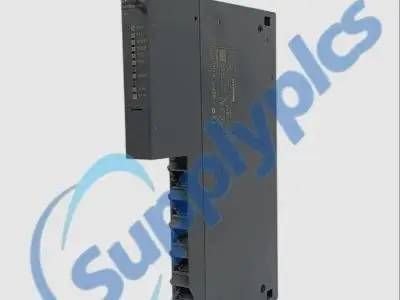
When considering the purchase of ABB AC 800M redundant controllers, it's essential to focus on verifying the specifications and functionality of spare CPUs. This article will guide purchasing managers, engineers, and distributors through critical considerations to make informed decisions before investing in these vital components. With the increasing demand for reliable industrial automation systems, understanding what to verify when buying a spare CPU can significantly enhance operational efficiency and minimize downtime
Key Specifications of ABB AC 800M Redundant Controllers Explained
The ABB AC 800M redundant controller are designed for high availability in industrial automation applications. These controllers function on the principles of redundancy, meaning they have a backup system in place to ensure continuous operation without interruption. Key specifications to consider include
Processing Power: The CPUs are equipped with varying processing capabilities. Understanding the required performance based on your specific application is crucial, as underpowered CPUs can lead to system bottlenecks
Memory Capacity: The memory specifications determine how much data the controller can process and store. A higher memory capacity is essential for applications that handle large data sets or require complex computations
Communication Interfaces: The availability of different communication protocols (like Ethernet, Modbus, and Profibus) is vital. Ensure that the spare CPU you are considering is compatible with your existing network infrastructure
Operating Temperature Range: Different environments can present unique operational challenges. Confirm that the CPU specifications align with the temperature and humidity levels of your installation site
Redundancy Features: Specific models may offer enhanced redundancy options, such as dual power supplies or hot-swappable components. These features are critical in maintaining uptime during maintenance or unexpected failures
Understanding these specifications will help ensure that the spare CPU not only fits within the existing system architecture but also meets the operational demands of your application
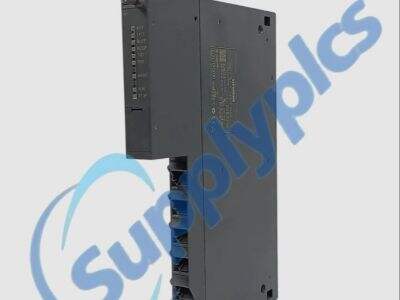
How to Choose the Right Spare CPU for ABB AC 800M Systems
Selecting the appropriate spare CPU for ABB AC 800M systems involves a thorough evaluation of several factors
Compatibility with Existing Systems: Before purchasing, verify that the spare CPU you intend to buy is compatible with your existing ABB AC 800M controllers. This includes checking firmware versions and communication protocols
Application Requirements: Assess the specific needs of your application. For instance, if your system handles real-time data processing, prioritize CPUs designed for rapid processing speeds and lower latencies
Future Scalability: Consider the potential for system expansion. Opt for a spare CPU that not only meets current demands but also has the capability to support future upgrades or increased load
Supplier Reputation: Partner with suppliers known for providing high-quality, original components. Reliability in sourcing is critical, as counterfeit or incompatible parts can lead to system failures
Warranty and Support: Evaluate the warranty and support options available with the spare CPU. A good warranty can provide peace of mind, and responsive technical support is invaluable for addressing any issues that may arise
By following these guidelines, you can better ensure that the spare CPU will integrate seamlessly into your existing system and meet your operational requirements
Tips for Assessing ABB AC 800M Controllers
When assessing ABB AC 800M controllers, focus on key evaluation criteria to ensure optimal performance and reliability
Inspection of Physical Condition: Conduct a thorough inspection of the controller for any signs of wear or damage. Check for loose connections, corrosion, or physical abnormalities that may affect functionality
Testing Under Operational Conditions: If possible, test the controller in the actual conditions it will be operating under. This helps identify any potential issues that may not be apparent in a laboratory setting
Software Compatibility: Ensure that the controller’s software is up-to-date and compatible with the rest of your automation system. Outdated software can lead to security vulnerabilities and operational inefficiencies
Previous Performance History: Review the performance history of the controller in similar applications. This can provide insight into its reliability and any common issues that may arise
Documentation Review: Scrutinize the product documentation for any specifications, installation requirements, and operational guidelines. This information is crucial for proper integration and maintenance
By following these assessment tips, you'll be better equipped to select controllers that will perform reliably and efficiently in your industrial automation environment
Where to Source Reliable ABB AC 800M Redundant Controllers
Sourcing reliable ABB AC 800M redundant controller requires careful consideration of potential suppliers
Authorized Distributors: Begin by looking for authorized distributors of ABB products. These suppliers are more likely to provide genuine components and offer warranties that protect your investment
Reputable Third-Party Suppliers: If sourcing from authorized distributors is not feasible, consider reputable third-party suppliers with a track record in industrial automation. Verify their certifications and customer reviews
Online Marketplaces: While online marketplaces can offer competitive prices, exercise caution. Ensure that the sellers are verified and offer return policies in case the products do not meet your expectations
-
Local Suppliers: Engaging with local suppliers can facilitate easier communication and faster delivery times. Additionally, local suppliers may offer personalized service and support that larger suppliers cannot
Industry Recommendations: Network with industry peers to gather recommendations on reliable suppliers. Word-of-mouth and personal experiences can lead to trustworthy sourcing options
By focusing on these sourcing strategies, you can enhance the chances of obtaining high-quality ABB AC 800M redundant controllers that meet your operational needs
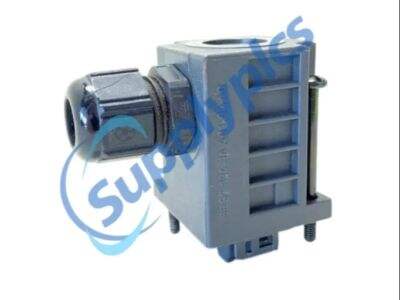
Cost Factors to Consider When Purchasing ABB AC 800M Controllers
Understanding the cost factors associated with purchasing ABB AC 800M controller is essential for budgeting and financial planning
Initial Purchase Price: The base price of the controller can vary significantly based on its specifications and features. Carefully evaluate what features are necessary for your application to avoid overspending
Shipping and Handling Fees: Consider additional costs such as shipping and handling, which can affect the overall expense. Opt for suppliers who provide transparent shipping costs upfront
Installation and Integration Costs: Factor in the costs related to installation and integration into your existing systems. This may include labor costs, necessary tools, and any additional components required for compatibility
Maintenance and Support: Ongoing maintenance and support costs should also be part of your financial assessment. Evaluate warranty offerings and consider service agreements that can reduce long-term expenses
Potential Downtime Costs: Lastly, consider the potential costs associated with downtime during installation or replacement. Investing in quality components can minimize these risks and support long-term operational efficiency
By considering these cost factors, you can make more informed purchasing decisions that align with your budget and operational goals