 EN

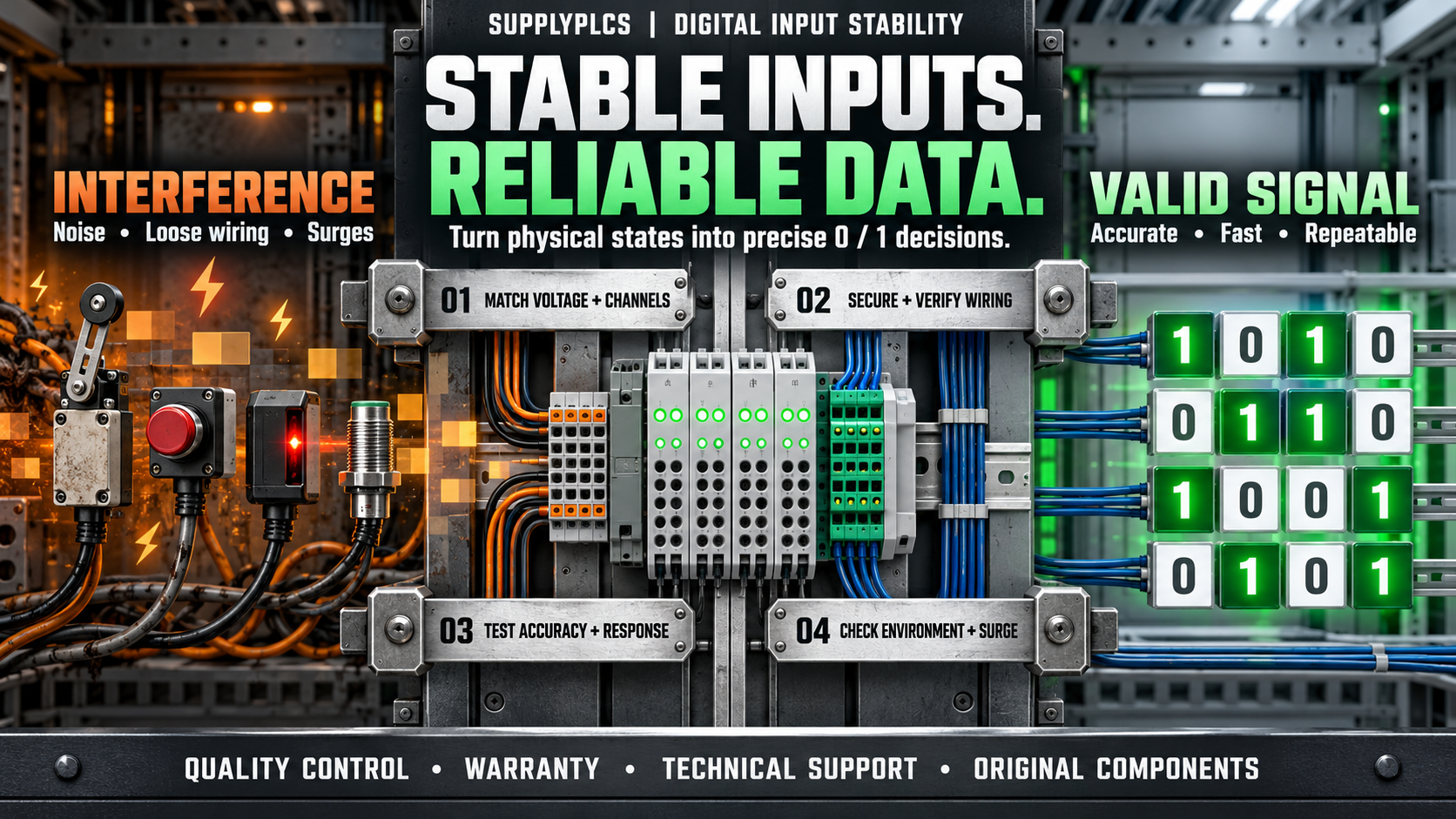
Digital input modules are crucial components in modern industrial automation, enhancing data acquisition stability across various systems. These modules transform physical signals into digital data, allowing for precise monitoring and control of processes. For B2B buyers, understanding how these modules function and their advantages is essential for optimizing operations, improving reliability, and ensuring compatibility with existing systems. This article will delve into the key considerations when sourcing digital input module, focusing on purchasing decisions, quality factors, installation tips, and their applications in manufacturing.
Where to Source Reliable Digital Input Modules for Your Business?
Finding reliable digital input modules starts with identifying reputable suppliers. Look for manufacturers like Supplyplcs, known for providing high-quality, hard-to-find industrial automation spare parts. Ensure the supplier specializes in original components to guarantee compatibility and performance. Consider sourcing from suppliers who offer technical support and have a robust quality assurance process.
Additionally, attending industry trade shows and networking with other professionals can provide insights into trustworthy suppliers. Online industry forums and platforms can also help in gathering recommendations. When sourcing, it's beneficial to ask for product samples to verify performance and compatibility with your systems before committing to larger orders.
Wholesale Purchasing Considerations for Digital Input Modules
When considering wholesale purchasing of digital input modules, several factors must be evaluated. First, determine the required specifications based on your application, including input voltage levels, current ratings, and the number of channels necessary for your operations. This will help narrow down your options.
Next, consider the minimum order quantity (MOQ) and lead times. Suppliers may have different MOQs that could affect your purchasing strategy. Additionally, understanding the lead time for delivery is crucial, especially if you have project deadlines or production schedules to meet.
Pricing is another critical factor. While lower prices may seem attractive, it's essential to evaluate the total cost of ownership, including potential long-term reliability and support costs. Requesting detailed quotes that break down pricing can help you compare suppliers effectively.
Quality and Cost Factors
Quality assurance is paramount when purchasing digital input modules. Evaluate the supplier's quality control processes, including testing procedures and certifications. Modules should meet relevant industry standards, ensuring they can withstand the operational demands of your application.
Consider the materials used in the construction of the modules. High-quality materials can enhance durability and reduce the likelihood of failure. Additionally, inquire about warranty terms and post-purchase support. A reliable supplier should offer a warranty that reflects their confidence in the product’s quality.
Cost factors often include not just the initial purchase price but also the cost of installation and maintenance. Understanding the total lifecycle cost will aid in making an informed decision. For instance, investing in a slightly more expensive digital io module with better performance may save costs in the long run due to reduced downtime and maintenance needs.
Installation Tips for Maximizing Digital Input Module Performance
Proper installation of digital input modules is critical for maximizing their performance. Begin by ensuring that all electrical connections are secure and compatible with the existing systems. Double-check the wiring according to the manufacturer’s specifications to avoid signal interference or damage to the modules.
It’s also advisable to conduct a thorough test of the module after installation. This should include checking signal accuracy and response times to ensure that it meets operational requirements. Pay attention to environmental factors such as temperature and humidity, which can affect module performance.
If applicable, consider implementing protective measures such as surge protection to safeguard the modules from electrical spikes. Training your maintenance staff on best practices for monitoring and troubleshooting can also enhance the longevity and reliability of digital input power supply module.
Applications of Digital Input Modules in Modern Manufacturing Systems
Digital input modules find a wide range of applications in modern manufacturing systems. They play a vital role in process automation, facilitating the collection of data from various sensors and devices. This data is crucial for real-time monitoring and control, enabling manufacturers to optimize their operations.
In assembly lines, for instance, digital input modules help in tracking the status of machinery and equipment, allowing for proactive maintenance and reducing unplanned downtime. They are also used in quality control processes, where precise data collection can lead to improved product consistency and compliance with regulatory standards.
Moreover, with the rise of Industry 4.0, these modules contribute to the integration of IoT systems within manufacturing. By connecting machinery to cloud-based platforms, manufacturers can analyze performance data and improve decision-making processes. This connectivity is essential for maintaining competitive advantages in a rapidly evolving industrial landscape.
In summary, selecting the right digital input module involves careful consideration of sourcing, purchasing, quality, installation, and application factors. By understanding these elements, B2B buyers can enhance data acquisition stability and overall operational efficiency in their manufacturing systems.