 EN

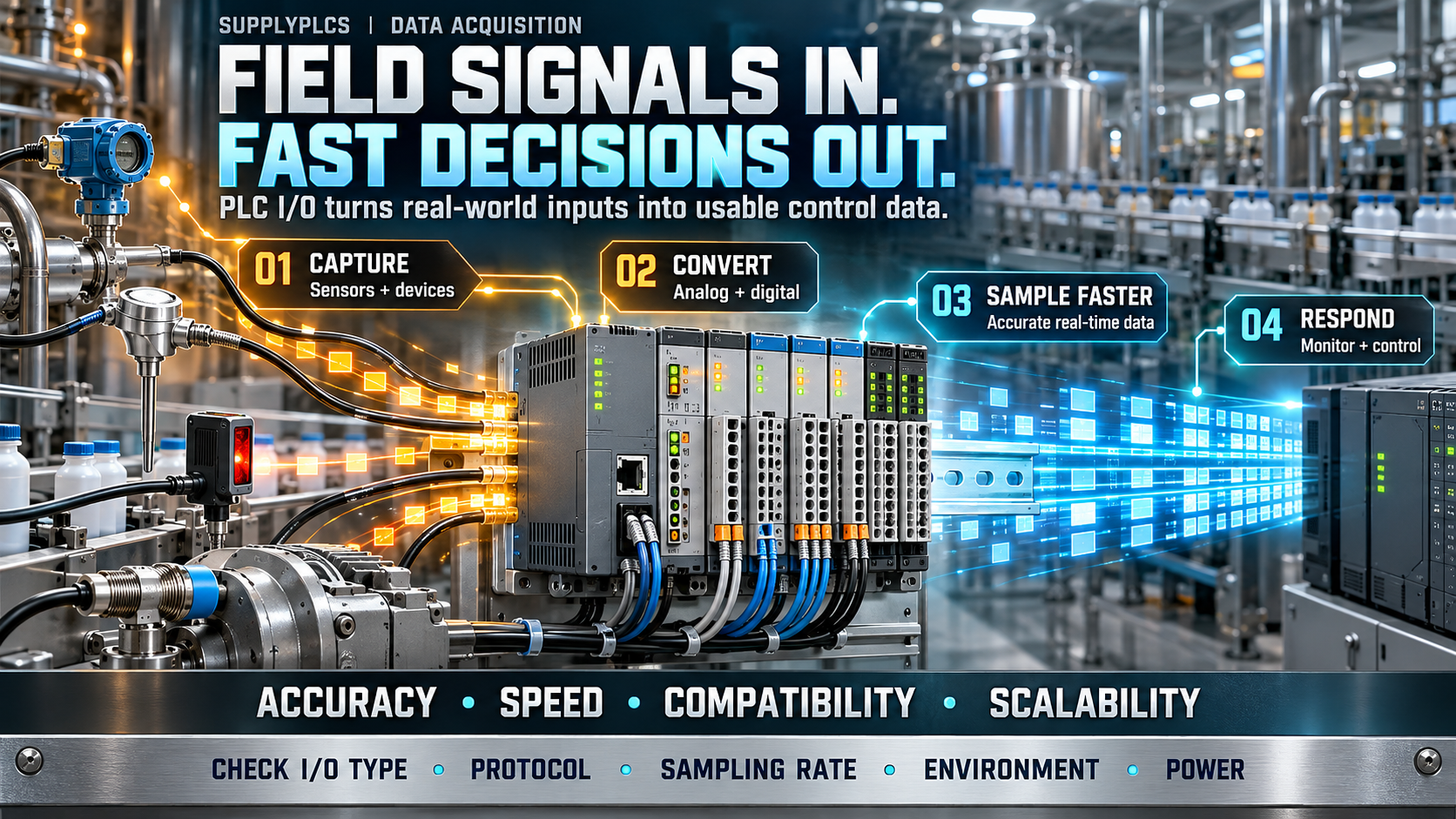
In the realm of industrial automation, the PLC (Programmable Logic Controller) IO module plays a critical role in enhancing data acquisition efficiency. These modules facilitate communication between the PLC and various field devices, enabling seamless data collection and control processes. For B2B buyers, such as purchasing managers and engineers, understanding how plc module can improve operational efficiency, reliability, and data accuracy is vital. This article will explore the key features and specifications of PLC IO modules, provide guidance on selecting reliable suppliers, tackle common issues, and offer insights into evaluating these essential components before making a purchase.
How PLC IO Modules Improve Data Acquisition for Manufacturers?
PLC IO modules enhance data acquisition by acting as the interface between the PLC system and the physical world. These modules gather data from sensors and devices, converting it into a format that the PLC can process. This conversion is crucial for real-time monitoring and control, allowing manufacturers to respond quickly to changing conditions on the production floor.
The efficiency of data acquisition directly impacts operational performance. For instance, with high-quality IO modules, manufacturers can achieve faster data sampling rates, leading to more accurate and timely decision-making. This capability helps in identifying inefficiencies, predicting maintenance needs, and minimizing downtime. Furthermore, advanced plc io module often support various communication protocols, ensuring compatibility with a wide range of devices and systems, which is essential for maintaining a flexible and scalable manufacturing environment.
Key Specifications to Consider When Choosing PLC IO Modules
When selecting a PLC IO module, several key specifications should be taken into account:
Input/Output Configuration: Determine the number and type of inputs and outputs required for your application. Some modules offer digital inputs/outputs, while others may support analog signals. Understanding your specific needs will help in choosing the right configuration.
Communication Protocols: Different PLCs may use various communication standards such as Ethernet/IP, Modbus, or Profibus. Ensure the IO module you select is compatible with the existing PLC system to avoid integration issues.
Operating Environment: Assess the environmental conditions where the module will be installed. Factors such as temperature, humidity, and exposure to contaminants can affect performance. Look for modules with appropriate ratings for your application.
Sampling Rate: The speed at which the module can acquire and process data is critical for real-time applications. A higher sampling rate allows for more accurate monitoring and faster response times.
Power Supply Requirements: Ensure that the power requirements of the IO module align with your system's capabilities. Some modules may require a specific voltage or current rating, which should be verified before purchasing.
By carefully evaluating these specifications, buyers can select plc modules that best fit their operational needs and enhance overall data acquisition efficiency.
Where to Find Reliable Suppliers for PLC IO Modules in Bulk?
Finding a dependable supplier for PLC IO modules is essential, especially for businesses looking to purchase in bulk. Here are some strategies to identify reliable sources:
Industry Directories: Utilize directories that specialize in industrial automation products. These platforms often list manufacturers and distributors along with customer reviews, providing insight into their reliability.
Trade Shows and Expos: Attending industry trade shows can connect you directly with manufacturers and suppliers. This face-to-face interaction allows for discussions about product specifications and can help in evaluating the supplier’s capabilities.
Online Marketplaces: Established online platforms often feature a wide range of suppliers. Look for suppliers with a solid reputation and positive feedback from previous buyers.
Referrals from Industry Peers: Networking within your industry can lead to valuable recommendations. Colleagues or partners may have experience with trustworthy suppliers and can provide insights on their service and product quality.
Manufacturer Websites: Companies like Supplyplcs, which specialize in hard-to-find industrial automation spare parts, can be excellent sources for original components. Their focus on quality and reliability makes them a suitable option for bulk purchases.
Common Problems with PLC IO Modules and Their Solutions
While PLC IO modules are essential for effective data acquisition, they can face several challenges during operation. Common problems include:
Signal Interference: Noise from nearby electrical equipment can interfere with the signals transmitted to and from the IO module. To mitigate this issue, use shielded cables and ensure proper grounding of the system.
Compatibility Issues: Not all IO modules are compatible with every PLC system. Buyers should verify compatibility before purchasing, including checking the communication protocols and electrical specifications.
Temperature Sensitivity: Extreme temperatures can affect the performance of IO modules. Select modules designed for the specific environmental conditions in which they will operate, and consider using temperature-controlled environments when necessary.
Firmware and Software Upgrades: Modules may require regular updates to maintain performance and compatibility with other systems. Establish a routine for checking and applying updates to ensure seamless operation.
Physical Damage: IO modules can be susceptible to physical damage from vibrations or impacts. Implement protective housing or mounting solutions to safeguard against potential damage.
By understanding these common issues and their solutions, buyers can make informed decisions and ensure the longevity and reliability of their PLC IO modules.
Evaluating PLC IO Modules Before Purchase
Before finalizing a purchase, it is crucial to conduct a thorough evaluation of the PLC IO modules. Here are some key considerations:
Sample Testing: Request samples from suppliers to evaluate the module's performance in your specific application. Testing under real operational conditions helps confirm suitability and performance.
Documentation and Support: Ensure that the supplier provides comprehensive documentation, including installation guides and technical specifications. Access to support for troubleshooting and technical inquiries is also vital.
Quality Assurance: Investigate the manufacturer’s quality control processes. Look for certifications or quality management systems, which can indicate a commitment to product reliability and performance.
Warranty and Return Policy: Understand the warranty terms and return policies before making a purchase. A solid warranty can provide peace of mind regarding the module's performance and reliability.
Feedback from Existing Customers: Seek testimonials or case studies from other users to gauge the module's effectiveness in similar applications. This can provide valuable insights into real-world performance and reliability.
By carefully evaluating these factors, buyers can make informed decisions and select PLC IO modules that will enhance their data acquisition efficiency and overall operational performance.