 EN
EN

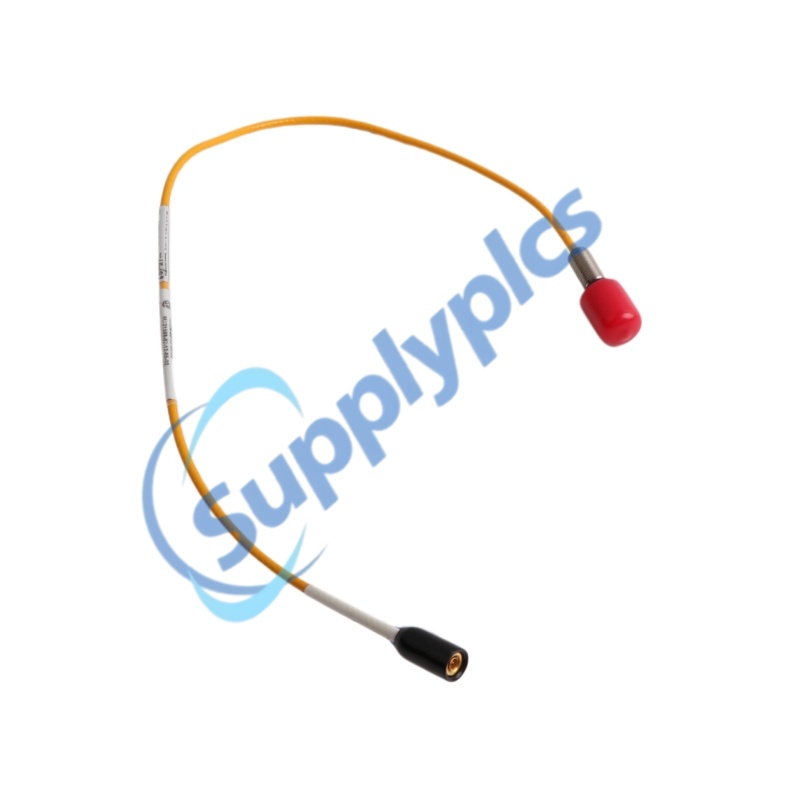
EPRO proximity sensors are essential components in industrial automation, used to detect the presence or absence of objects without direct contact. When pairing these sensors with a signal converter, several critical factors come into play, including compatibility, specifications, and application requirements. This article outlines what to check when matching EPRO proximity sensors with signal converters, addressing the main concerns of B2B buyers, such as quality, installation, common issues, and cost considerations.
How to Evaluate EPRO Proximity Sensors for Quality Assurance
When sourcing EPRO proximity sensor, quality assurance is paramount. Buyers should evaluate several key specifications, including sensing range, response time, and environmental ratings. Understanding the application environment such as temperature extremes and exposure to moisture or chemicals is crucial since these factors can affect sensor performance. Look for certifications that verify compliance with industry standards, such as CE or UL, which can serve as strong indicators of reliability.
It’s also advisable to request data sheets that detail the sensor specifications, ensuring they meet the specific requirements of your application. For example, if the sensor operates in a high-vibration environment, verifying its robustness and durability is essential. Engaging with suppliers who can provide samples for testing can further confirm the sensor's suitability before making bulk purchases.
Installation Guidelines for EPRO Proximity Sensors and Signal Converters
Proper installation of EPRO proximity sensors and their corresponding signal converters is critical for optimal performance. Begin by reviewing the installation manual provided by the manufacturer, as it contains essential information regarding mounting locations, wiring diagrams, and connection protocols. Ensure that the sensors are mounted at the correct distance from the target object to avoid false readings.
When connecting the sensor to a signal converter, it’s vital to match the output type of the sensor with the input type of the converter. For instance, if the sensor outputs a digital signal, but the converter expects an analog input, compatibility issues will arise. Additionally, ensure that the wiring is done in accordance with the manufacturer's specifications to prevent electrical interference and signal loss.
Before finalizing installation, conduct a functional test to confirm that the sensor and converter are working correctly together. This step can help identify any issues early on, allowing for adjustments before the system goes live.
Features and Benefits
EPRO proximity sensors come with various features that enhance their functionality in industrial applications. Key benefits include:
Non-contact Sensing: Proximity sensors detect objects without physical contact, reducing wear and tear and increasing the lifespan of both the sensor and the machinery.
Versatility: They are suitable for a wide range of applications across different industries, including manufacturing, packaging, and robotics.
High Precision: EPRO sensors are designed to provide accurate readings, which is essential for automation processes that rely on precise measurements.
Robust Design: Many EPRO sensors are built to withstand harsh conditions, including extremes of temperature, humidity, and exposure to dust or chemicals.
Understanding these features can help buyers choose the right sensor for their specific needs, ensuring they leverage the advantages offered by EPRO products.
Common Problems with EPRO Proximity Sensors and Effective Solutions
Despite their reliability, EPRO industrial proximity sensor can encounter common issues that may affect performance. Some of the frequently reported problems include:
Incorrect Sensing Range: If the sensor is not calibrated correctly, it may not detect objects at the intended distance. This can often be remedied by adjusting the mounting position or recalibrating the sensor according to the manufacturer's guidelines.
Interference from Environmental Factors: External factors such as electromagnetic interference (EMI) or physical obstructions can disrupt sensor functionality. Shielding techniques or relocating the sensor away from sources of interference can be effective solutions.
Wiring Issues: Faulty or loose connections can lead to intermittent sensor operation. Regular inspection of connections and quality wiring practices during installation can help mitigate this risk.
By understanding these issues and their solutions, buyers can ensure the longevity and reliability of their EPRO proximity sensors.
Cost Factors to Consider When Sourcing EPRO Proximity Sensors
Cost considerations play a significant role in the procurement process of EPRO proximity sensors. Buyers should keep in mind several factors that influence pricing:
Specifications and Features: Higher specifications, such as extended sensing ranges or enhanced environmental ratings, usually come with increased costs. It’s essential to balance the required features with budget constraints.
Customization Requirements: If specific customization is needed, such as unique wiring or housing modifications, this can lead to additional costs. Be clear about your requirements when requesting quotes.
Order Quantity: Bulk purchasing often leads to cost reductions, as suppliers may offer discounts for larger orders. It’s important to assess the total cost of ownership rather than focusing solely on the unit price.
Supplier Reliability: Engaging with established suppliers, such as Supplyplcs, who specialize in hard-to-find parts can influence the overall cost, as they may provide better quality assurance and support.
When preparing to source EPRO analog proximity sensor, it’s beneficial to prepare a detailed Request for Quotation (RFQ) that includes specifications, quantities, and application details to ensure accurate pricing and timely delivery.