 EN

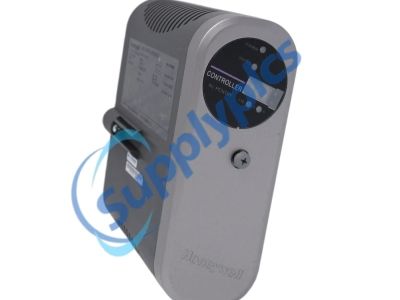
Before mixing different hardware revisions of Honeywell C300 controllers, it's essential to understand the implications of redundancy in industrial automation systems. The Honeywell C300 controller is a critical component for many manufacturing processes, offering reliability and performance. However, mixing hardware revisions can lead to compatibility issues, unexpected behaviors, and potential system failures. This article will guide purchasing managers, engineers, and product managers through the key considerations to ensure a seamless integration of Honeywell C300 redundancy, addressing sourcing, common problems, installation guidance, specifications, and cost factors.
Where to Source Reliable Honeywell C300 Controller Hardware?
When sourcing Honeywell C300 controller hardware, it’s vital to partner with reputable suppliers like Supplyplcs, known for providing hard-to-find, high-quality industrial automation spare parts. Begin by assessing suppliers’ inventory and their ability to provide brand-new original components. Verify their certifications and quality management processes to ensure reliability. Additionally, inquire about their sourcing practices, especially under circumstances where obtaining spare parts can be challenging. Conducting due diligence by checking supplier reviews and previous customer experiences can help mitigate risks associated with hardware compatibility and performance.
Common Problems with Honeywell C300 Redundancy and Solutions
Mixing different hardware revisions in Honeywell C300 controllers can lead to several common issues, such as communication failures, inconsistent performance, and system instability. One frequent problem arises from firmware incompatibility, which can cause mismatched data handling between controllers. Another issue may involve variations in processing speeds, leading to delays in critical operations. Solutions to these problems include:
Firmware Updates: Ensure all panel view c300 are updated to the latest firmware version compatible with the intended configuration.
Compatibility Checks: Before mixing revisions, verify hardware compatibility through the manufacturer’s guidelines or technical support.
Testing: Implement thorough testing protocols in a controlled environment before full deployment to identify potential issues early.
By addressing these common problems proactively, buyers can enhance system reliability and reduce downtime.
Installation Guidance for Mixing Honeywell C300 Hardware Revisions
When installing mixed Honeywell C300 hardware revisions, careful planning and execution are essential. Begin by creating a detailed installation plan that outlines the specific hardware configurations and any required adjustments. Key steps include:
Documentation Review: Analyze technical manuals for each revision to understand differences in wiring, software requirements, and performance specifications.
Configuration Management: Use a configuration management tool to track and manage the different hardware configurations, ensuring all components are correctly integrated.
Trial Runs: Conduct trial runs with the mixed setup to observe functionality under operational conditions, allowing for adjustments before full-scale implementation.
It is also advisable to have a specialized technician on-site during installation to address any unforeseen compatibility issues promptly.
Specifications to Consider When Buying Honeywell C300 Parts
When purchasing Honeywell C300 parts, several specifications must be confirmed to ensure compatibility and performance. These include:
Hardware Revision: Always confirm the specific revision of the controller, as different revisions may have distinct functionalities or limitations.
Communication Protocols: Determine the supported communication protocols (e. g., Ethernet, RS-232) to ensure proper integration with existing systems.
Input/Output Capabilities: Evaluate the I/O capabilities of the controller module, as varying revisions may offer different configurations that can impact system performance.
Power Supply Requirements: Ensure that the power supply specifications match the requirements of the mixed hardware to prevent operational failures.
Buyers should always request detailed product data sheets from suppliers to validate these specifications before finalizing their orders.
Cost Factors in Sourcing Honeywell C300 Controller Hardware
Several cost factors come into play when sourcing Honeywell C300 controller hardware. These include:
Supplier Pricing: Prices can vary significantly based on the supplier’s inventory, reputation, and market demand. Gathering quotes from multiple suppliers can help identify the best value.
Shipping Costs: Consider the logistics involved in shipping, particularly if sourcing from international suppliers. Shipping costs can significantly impact the overall budget.
Volume Discounts: Inquire about discounts for bulk orders, as many suppliers offer reduced pricing for larger quantities.
Potential Downtime Costs: Factor in the potential costs associated with system downtime if the purchased parts do not meet performance requirements. Investing in high-quality components may reduce long-term operational costs.
By understanding these cost factors, buyers can make informed decisions that align with their operational budgets while ensuring the reliability of their automation systems. Through careful evaluation of sourcing options, understanding common issues, adhering to installation best practices, confirming specifications, and considering cost factors, B2B buyers can effectively navigate the complexities of mixing temperature controller module hardware revisions. This knowledge empowers purchasing managers and engineers to make strategic decisions that enhance productivity and operational efficiency.
Table of Contents
- Where to Source Reliable Honeywell C300 Controller Hardware?
- Common Problems with Honeywell C300 Redundancy and Solutions
- Installation Guidance for Mixing Honeywell C300 Hardware Revisions
- Specifications to Consider When Buying Honeywell C300 Parts
- Cost Factors in Sourcing Honeywell C300 Controller Hardware