Home > Products > GE > GE Mark Vle
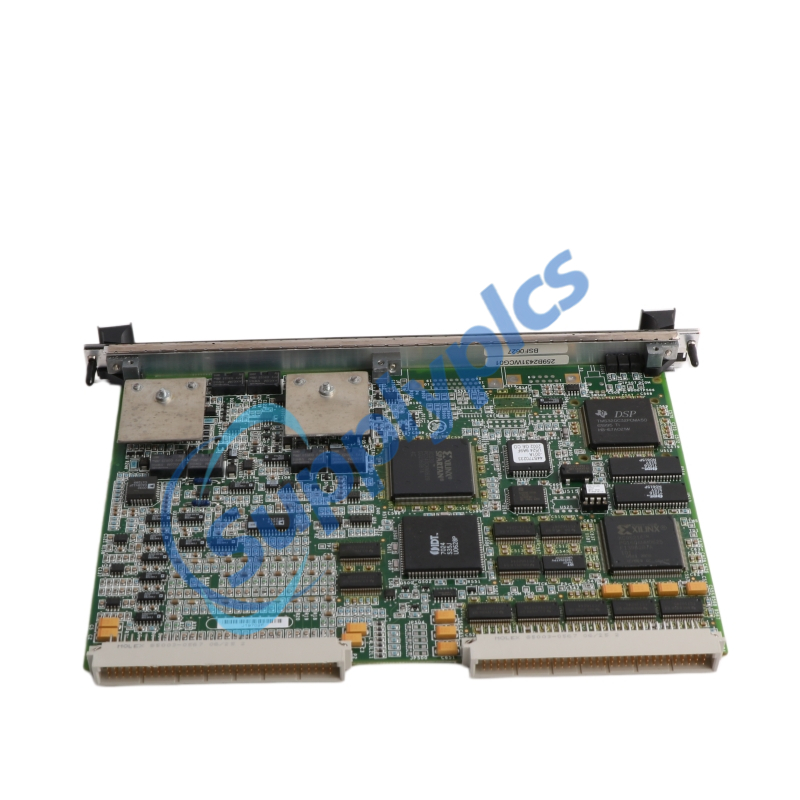
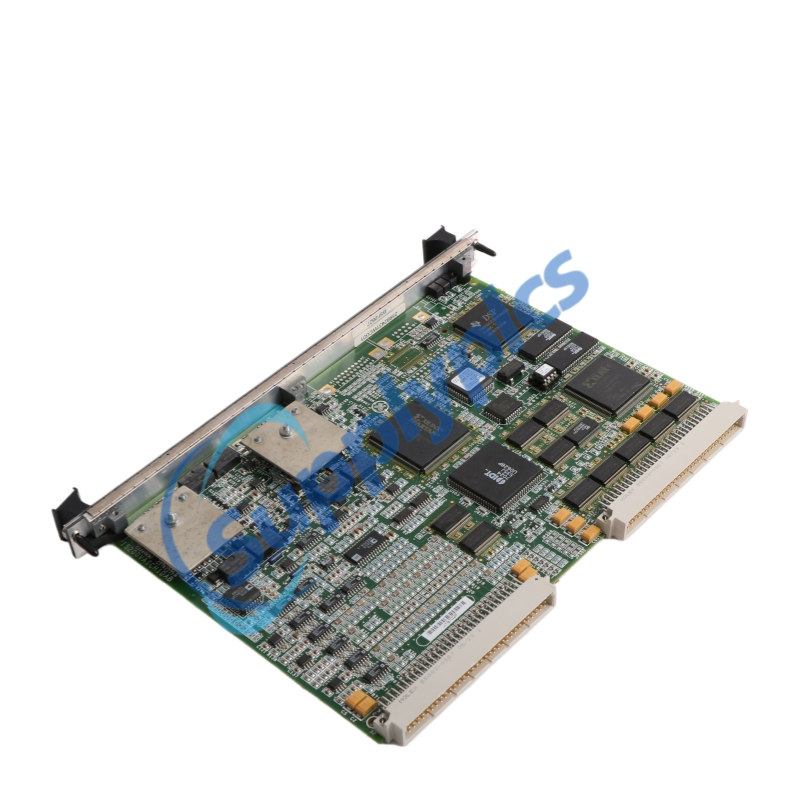
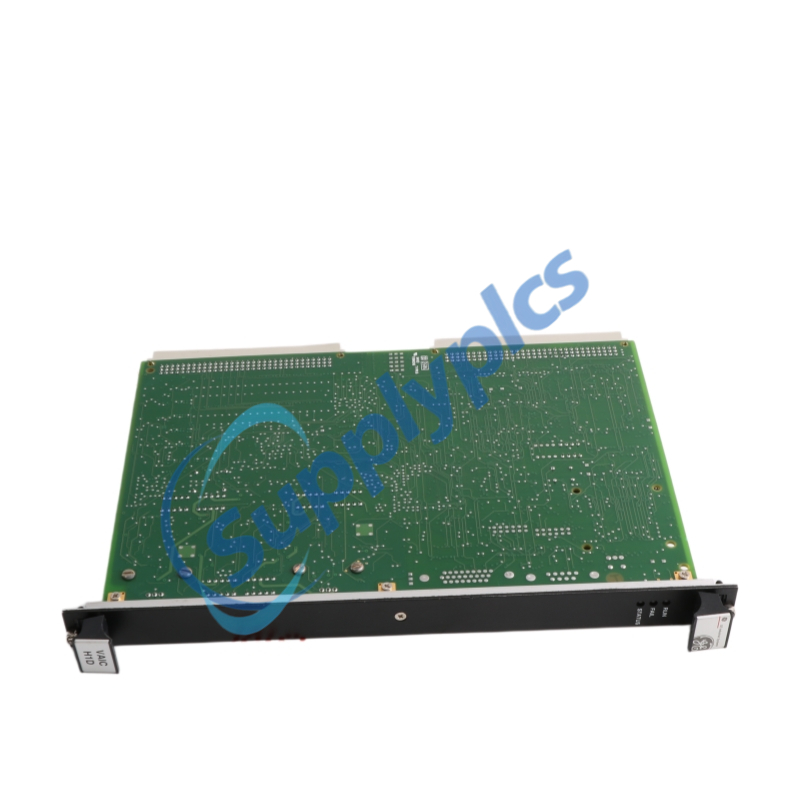
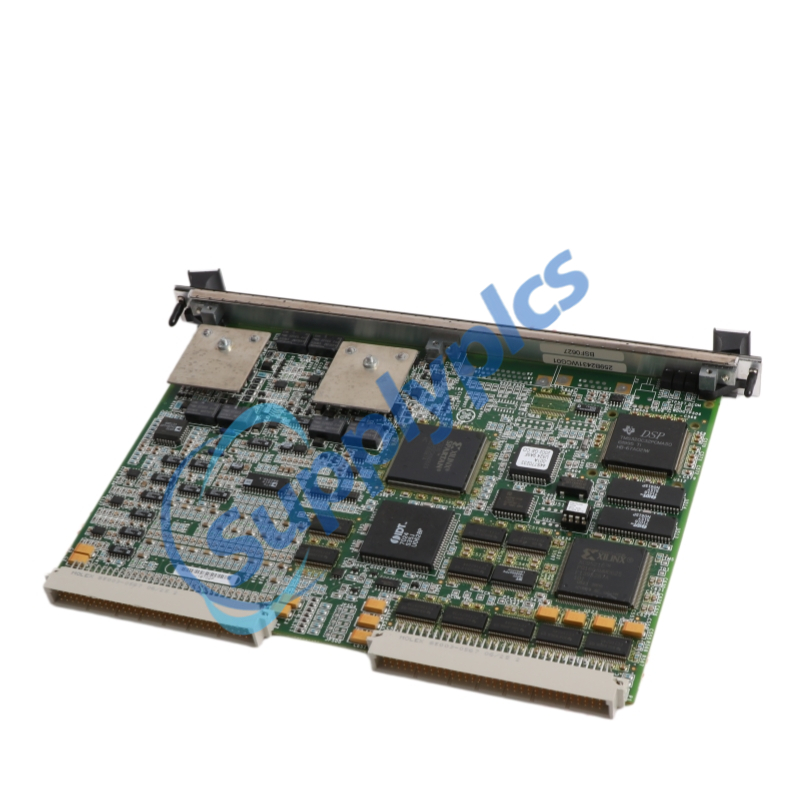
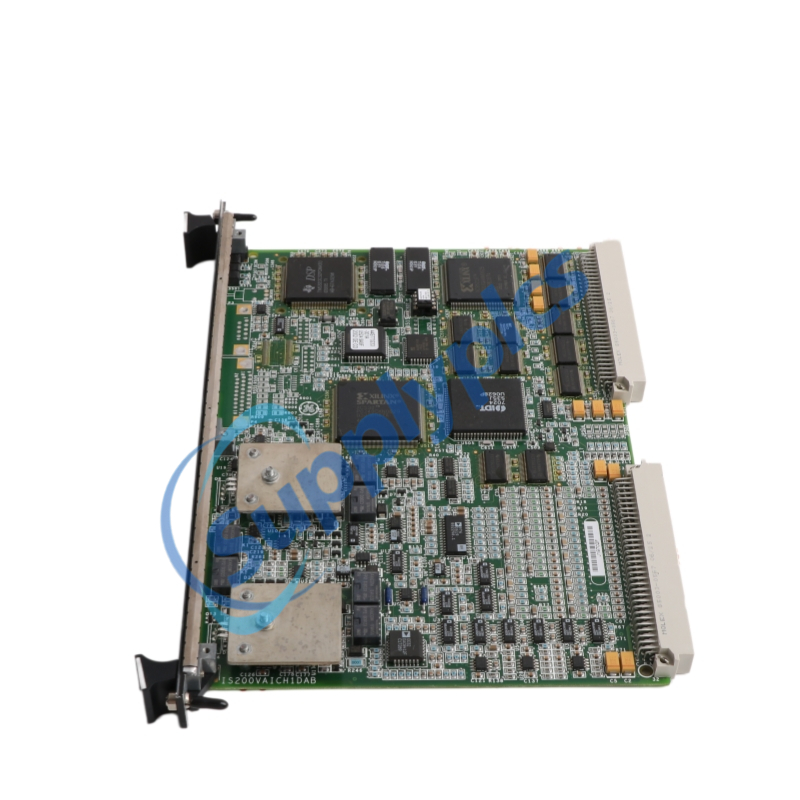
Product Name: ANALOG INPUT/OUTPUT BOARD
Brand Name: GE
Model Number:IS200VAICH1DAB
Country of Origin:USA
Warranty: 12 Months
Whatsapp:+86 18159889985
Email:[email protected]
Brand Name: |
General Electric |
Model Number: |
IS200VAICH1DAB |
Country of Origin: |
USA |
Packaging Details: |
Original new Factory Sealed |
Delivery Time: |
Delivery time in stock |
Payment Terms: |
T/T |
|
Sales Manager: |
Stella |
|
Send an email: |
|
|
Contact in Whatsapp: |
|
Parameter |
Specification |
|
Part Number |
IS200VAICH1DAB |
|
Manufacturer |
General Electric (GE) – Speedtronic |
|
Series |
Mark VI / Mark V |
|
Product Type |
Analog Input/Output Board (VAIC – Variable Analog Input/Output Control) |
|
Functional Acronym |
VAIC |
|
Number of Channels |
24 total (20 analog inputs + 4 analog outputs) |
|
Analog Inputs |
20 channels, jumper-selectable (4–20 mA, ±1 mA, ±5 V, ±10 V) |
|
Analog Outputs |
4 channels (two fixed 4–20 mA; two configurable for 4–20 mA or 0–200 mA) |
|
Input Converter Resolution |
16-bit A/D converter |
|
Output Converter Resolution |
12-bit D/A converter |
|
Scan Time |
10 ms (100 Hz normal scan) |
|
Input Impedance |
Matched for 4–20 mA loop signals |
|
Analog Output Compliance |
18 V, capable of driving up to 900 Ω load (0–20 mA range) |
|
Accuracy |
±0.5% over full temperature range; ±0.25% typical at 25°C |
|
Channel-to-Earth Isolation |
500 V |
|
Bus Interface |
VME (Versa Module Europa) – dual-slot configuration |
|
Backplane Compatibility |
VME racks with 13 or 21 slots |
|
Terminal Board Compatibility |
TBAIH1C, STAI, STAH |
|
Microprocessor |
Intel Celeron 300 MHz |
|
Memory |
128 MB flash memory |
|
Ethernet |
10BaseT / 100BaseTX (RJ-45) |
|
Power Consumption |
< 31 MW (0.031 W) from VME backplane (+5 V & +15 V) |
|
Power Source for Transducers |
24 V DC from control system or independent external supply |
|
Operating Temperature |
0°C to +60°C |
|
Storage Temperature |
–40°C to +85°C |
|
Humidity |
5% to 95% (non-condensing) |
|
Dimensions (W × H × D) |
1.99 cm × 26.04 cm × approx. 18.8 cm (single-slot PCB) |
|
Weight |
Approx. 0.36 kg (0.79 lbs) |
|
Front Panel |
Single-width faceplate with three LED indicators; retaining clips at both ends |
|
Edge Connectors |
Two horizontal connectors for VME backplane communication |
|
MTBF |
> 200,000 hours (MIL-HDBK-217F) |
|
Instruction Manual |
GEH-6421 / GEH-6421M / GEH-6421 Vol. II |
|
Country of Origin |
United States (USA) |
|
Compliance |
CE, UL, RoHS, GEH-6721 |
|
Availability |
In Stock |
|
Repair Service |
3–7 day turnaround available |
The IS200VAICH1DAB is a high‑density analog input/output board engineered by General Electric as part of the Mark VI Speedtronic series for gas and steam turbine control systems. The IS200VAICH1DAB processes 20 field‑sourced analog inputs — supporting 4–20 mA, voltage, or ±1 mA signals via terminal board jumpers — and drives four analog outputs, with two configurable for 4–20 mA or 0–200 mA high‑current operation. Installed in a standard VME rack, the IS200VAICH1DAB bridges field sensors and actuators to the central controller. The IS200VAICH1DAB supports both simplex and Triple Modular Redundant (TMR) configurations, incorporating per‑channel noise suppression, 16‑bit A/D conversion, and proprietary output voting circuitry for continuous, fault‑tolerant operation.
Gas turbine Speedtronic control systems – fuel flow modulation, inlet guide vane positioning, exhaust temperature monitoring
Steam turbine supervisory systems – steam admission control, extraction pressure regulation, governor actuator positioning
Combined‑cycle power plants requiring real‑time analog data acquisition from multiple transmitters and actuator control
Industrial process control loops (refineries, chemical plants, manufacturing) for temperature, pressure, flow, and level regulation
Pump, compressor, and blower control systems where 0–200 mA high‑current output capability directly drives heavy field devices
Retrofit replacements for legacy VAIC boards in existing Mark VI VME‑based installations
VME‑based control systems requiring consolidated analog I/O to minimize backplane slot consumption
Any industrial safety‑critical environment requiring TMR analog signal voting for continuous uptime
20 High‑Density Analog Input Channels: Consolidates signals from multiple field sensors and transmitters onto a single VME slot, significantly reducing rack space consumption and simplifying backplane wiring in crowded control cabinets.
Jumper‑Selectable Input Flexibility: Input type for each channel is determined by jumpers on the attached terminal board — supports 4–20 mA, ±1 mA, ±5 V, or ±10 V, adapting to diverse sensor technologies without hardware changes.
Dual‑Range Output Versatility: Two analog output channels deliver standard 4–20 mA for conventional actuators; the remaining two channels are configurable for either 4–20 mA or 0–200 mA, allowing direct driving of specialized high‑current actuators and heavy‑duty field devices without external boosters.
16‑Bit A/D with 12‑Bit D/A: 16‑bit analog‑to‑digital conversion provides fine resolution for precision measurement tasks; 12‑bit digital‑to‑analog conversion ensures accurate control signal generation.
Built‑in Noise Suppression Circuitry: Both input and output channels incorporate high‑grade filtering and surge protection circuits to shield against high‑frequency interference and electrical transients, delivering clean, dependable signal integrity even in high‑EMI turbine environments.
TMR Output Voting with Median Selection: In redundant configurations, all three VAIC boards contribute to driving each analog current output; the final output current is determined by taking the median (voted middle value) of the three current measurements via voltage measurement across a series resistor. If a VAIC board fails, it is automatically isolated, and the remaining two continue operation without disruption.
Simplex and TMR Deployment Options: Operates as a standalone board in simplex configurations for cost‑sensitive applications or as part of a Triple Modular Redundant set (three boards in three VME racks labeled R, S, T) for safety‑critical systems requiring continuous availability.
Proprietary Output Driver Circuit: Output signals are driven by a custom circuit that synthesizes current contributions from all available VAIC boards in a TMR set, ensuring correct current delivery even when one board malfunctions.
Comprehensive Diagnostic Reporting: Continuous monitoring of input and output circuits; wire‑break, over‑range, and auto‑zero error detection for inputs; any fault detected triggers system alarm or automatic output removal via integrated suicide relay logic.
Seamless VME Integration: Single‑slot PCB with two horizontal edge connectors slides directly into Mark VI VME racks (13‑ or 21‑slot), where it automatically identifies itself to the VCMI controller via the backplane, minimizing commissioning time.
Transmitter Power Flexibility: Connected transmitters and sensors can be powered either by the Mark VI control system‘s 24 V DC supply (diode‑OR selected across three VME racks in TMR configurations) or by an independent external 24 V DC source.
VME Bus Communication: High‑speed data transfer over the VME backplane between the VAIC board and the VCMI communications interface board, delivering 10 ms scan rates for real‑time control responsiveness.
Dual Output Disconnect: Output channels incorporate mechanical relays that can physically disconnect the analog output from the customer load when system commands cannot clear a fault, providing hardware‑level fail‑safe isolation.
Universal Compatibility: Fully compatible with TBAIH1C, STAI, and STAH terminal boards; serves as a direct drop‑in replacement for earlier VAIC revisions (IS200VAICH1DAA, IS200VAICH1CBA, etc.) with no configuration changes required in most cases.
Digitizes 20 field analog signals (4–20 mA current loops, voltage inputs, or precision ±1 mA inputs) using a 16‑bit A/D converter and transmits the converted digital values over the VME backplane to the VCMI board and ultimately to the central controller for closed‑loop turbine regulation.
Converts digital control setpoints from the controller into four analog output currents using a 12‑bit D/A converter, delivering 4–20 mA (standard) or up to 0–200 mA (configurable) to field actuators such as fuel valves, I/P converters, positioning drives, and high‑current servos.
Isolates the VME backplane logic from field wiring through 500 V channel‑to‑earth galvanic isolation, preventing ground loops and protecting sensitive control electronics from industrial electrical transients.
Executes median‑based output voting when deployed in Triple Modular Redundant (TMR) configurations: three VAIC boards in three separate VME racks (R, S, T) each drive the same analog output; a proprietary voting circuit measures the voltage across a series resistor to determine the median current, automatically discarding the outlier board if one deviates or fails, and the remaining two continue delivering the correct output.
Supplies 24 V DC loop power to two‑wire transmitters either from the Mark VI control system (diode‑OR selected across racks in TMR mode) or from an independent external source based on site wiring practices.
Applies configurable input filtering and surge protection to all analog input channels, rejecting electromagnetic interference from field cables and protecting against voltage surges from lightning or switching transients.
Performs continuous self‑diagnostics: wire‑break detection, input over‑range and under‑range monitoring, auto‑zero error verification, and output current feedback comparison — any anomaly reported to the controller for immediate operator notification.
Drives LED indicators on the single‑width front faceplate to provide at‑a‑glance visual status of board power, communication health, and channel activity, facilitating on‑site troubleshooting without external diagnostic tools.
Accepts external trigger signals (via FlexLogic or direct inputs) to initiate waveform capture, data logging, or safety shutdown sequences based on analog threshold violations.
Logs diagnostic events — including signal out‑of‑range faults, wire breaks, output feedback mismatches, and over‑temperature conditions — into non‑volatile memory for post‑incident forensic analysis and compliance reporting.
Q1: How does the IS200VAICH1DAB handle output signals in a TMR configuration?
A1: In a TMR setup, each analog current output is driven simultaneously by all three VAIC boards across three VME racks (R, S, T). The final current delivered to the load is determined by taking the median (middle) value of the three measurements via voltage sensing across a series resistor, ensuring accurate output even if one board fails.
Q2: How many analog inputs and outputs does the IS200VAICH1DAB support?
A2: The board supports a total of 20 analog input channels and 4 analog output channels. Inputs can be configured for 4–20 mA, voltage (±5 V/±10 V), or ±1 mA via jumpers on the terminal board; outputs are divided into two fixed 4–20 mA channels and two channels configurable for either 4–20 mA or 0–200 mA.
Q3: What terminal boards are compatible with the IS200VAICH1DAB ?
A3: The IS200VAICH1DAB works in conjunction with TBAIH1C, STAI, or STAH terminal boards. These terminal boards provide the field wiring termination, jumper configuration for input types, and additional input/output capacity beyond what is directly available on the VAIC board itself.
Q4: Can I use the IS200VAICH1DAB as a direct replacement for earlier VAIC revisions?
A4: Yes, the IS200VAICH1DAB is fully backward compatible with earlier VAICH1 variants including IS200VAICH1DAA and IS200VAICH1CBA. It serves as a drop‑in replacement for GE Mark VI VME racks, typically requiring no configuration changes.
Q5: What software is required to configure the IS200VAICH1DAB after installation?
A5: Configuration of input signal types, output ranges, and channel mapping is performed using the GE Mark VI Toolbox software suite. The board is plug‑and‑play recognized by the VCMI controller upon insertion into the VME rack, but specific channel parameters must be set via Toolbox to match field wiring.
Inguiry Now: [email protected]
 EN
EN