 EN

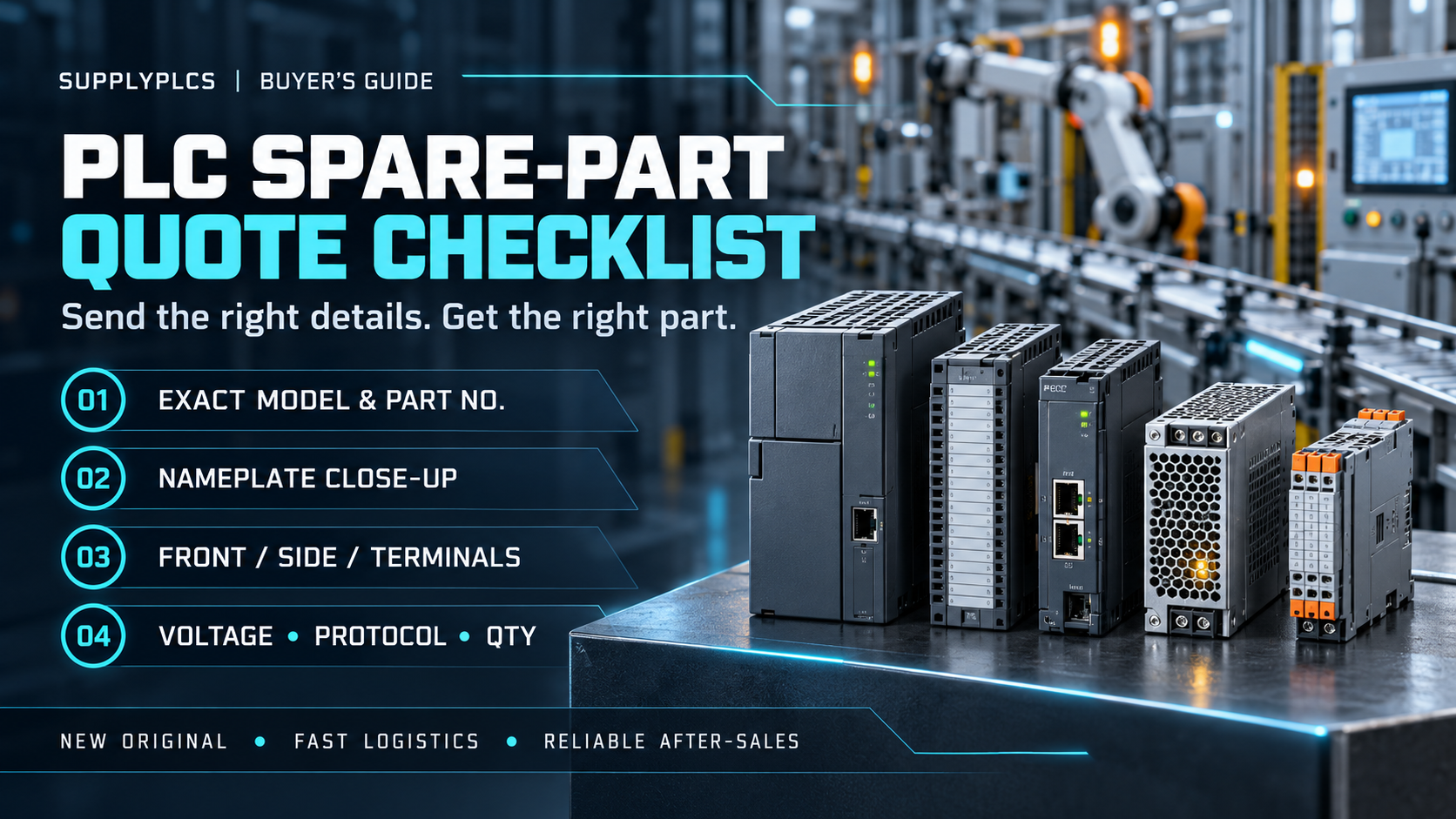
When it comes to requesting a PLC spare-part quote, providing the right details and photos is crucial. Accurate information not only speeds up the quoting process but also ensures you receive components that fit your specific requirements. This article will guide you through the essential specifications to include when seeking a quote, the factors that influence cost, common challenges in sourcing plc module spare parts, and where to find reliable suppliers. Understanding these elements will empower you to make informed decisions and procure the best parts for your industrial automation needs.
Key Specifications to Provide When Requesting a Quote
When requesting a PLC spare-part quote, it's vital to supply detailed specifications to avoid miscommunication and ensure compatibility. Here are key specifications to consider:
Model and Part Number: Always include the exact model and part number of the plc control module spare part. This helps suppliers quickly identify the right component and verify its availability.
Technical Parameters: Provide any relevant technical parameters such as voltage ratings, current ratings, and communication protocols. These details are essential for ensuring compatibility with your existing systems.
Physical Dimensions: Specify dimensions, including length, width, height, and weight. This information is critical, especially for components that must fit within specific machinery or panels.
Material Specifications: If applicable, mention the preferred materials or any environmental conditions the part must withstand, such as temperature extremes or exposure to chemicals.
Photographic Evidence: Including clear photos of the existing part can greatly enhance the quoting process. Photos should show both the part from multiple angles and any labels or markings that indicate model or serial numbers.
By providing these details upfront, you can significantly reduce the chances of errors and streamline the quoting process.
Understanding Cost Factors for PLC Spare Part Procurement
The cost of PLC spare parts can vary widely based on several factors. Understanding these factors can help you anticipate pricing and make informed procurement decisions:
Type of Component: Original components are generally more expensive than aftermarket or refurbished parts. If quality and reliability are critical, investing in original plc relay output parts may be worth the higher upfront cost.
Supply and Demand: Availability can influence pricing. In times of high demand or limited supply, prices may increase. Conversely, if a part is readily available, you may find more competitive pricing.
Customization Needs: If your application requires customized parts, expect additional costs. Customization may involve specific materials, modifications, or testing that add to the overall price.
Order Quantity: Bulk orders often come with discounts. If you require a significant quantity, it’s worth negotiating with suppliers to lower per-unit costs.
Shipping and Handling: Don’t overlook shipping costs and lead times. Components sourced internationally may incur additional shipping fees and customs charges, affecting total expenditures.
By considering these factors, you can better prepare for budgeting and negotiate effectively with suppliers.
What You Need to Know?
When preparing to request a PLC spare-part quote, it’s useful to keep several best practices in mind:
Be Specific: Vague requests can lead to misunderstandings. The more specific you are, the better suppliers can meet your needs.
Check for Compatibility: If you're replacing an existing part, ensure compatibility with your current systems. This may require cross-referencing specifications with existing documentation.
Understand Lead Times: Lead times can vary significantly between suppliers. Always inquire about the expected delivery time, especially if the part is critical to ongoing operations.
Ask About Warranty and Return Policies: Knowing the warranty terms and return policies can protect your investment. Reliable suppliers should offer clear terms.
Evaluate Supplier Reliability: Research potential suppliers to assess their reputation. Look for reviews or testimonials from other customers to gauge their reliability and quality.
By being well-prepared and informed, you can enhance your chances of a smooth procurement process.
Common Problems in Sourcing PLC Spare Parts and Their Solutions
Sourcing PLC spare parts can sometimes be fraught with challenges. Here are common problems you may encounter, along with their potential solutions:
Outdated or Discontinued Parts: Many manufacturers discontinue parts over time. If you encounter this issue, consider sourcing refurbished components or third-party equivalents. Ensure they meet your technical specifications.
Inconsistent Quality: Variability in part quality can arise from different suppliers. To avoid this, ask for samples or certifications, and work with established suppliers who have a proven track record in quality assurance.
Long Lead Times: Prolonged lead times can hinder operations. To mitigate this, plan ahead and maintain an inventory of critical spare parts. Building a relationship with suppliers may also lead to improved response times.
Miscommunication: Misunderstandings about specifications can lead to incorrect parts being supplied. To counter this, be clear and thorough in your communication, and confirm details before placing orders.
Limited Availability: Some parts may be hard to find due to low production volumes. If you face this challenge, consider reaching out to multiple suppliers and exploring online marketplaces that specialize in industrial components.
By proactively addressing these common issues, you can improve your chances of sourcing the right PLC spare parts effectively and efficiently.
Where to Find Reliable Suppliers for PLC Spare Parts?
Finding a reliable supplier for PLC spare parts is essential for maintaining operational efficiency. Here are some strategies to help you identify trustworthy sources:
Industry Networks: Leverage industry networks, forums, and associations. Engaging with professionals in your field can yield recommendations for reputable suppliers.
Online Marketplaces: Explore specialized online platforms that cater to industrial automation components. Websites that aggregate supplier listings often include user reviews and ratings, which can offer insights into reliability.
Trade Shows and Conferences: Attend relevant trade shows and industry conferences. These events provide opportunities to meet suppliers face-to-face and evaluate their products firsthand.
Manufacturer Recommendations: Reach out to the original manufacturers of your equipment. They often have lists of authorized distributors or can recommend reliable suppliers for spare parts.
Quality Certifications: Look for suppliers with quality certifications such as ISO 9001. These certifications indicate adherence to quality management standards, which can be a good indicator of reliability.
By utilizing these resources, you can connect with suppliers who are more likely to meet your quality and service expectations, ultimately supporting your operational goals.
In summary, requesting a PLC spare-part quote requires careful attention to detail. By providing key specifications, understanding cost factors, being aware of common sourcing challenges, and knowing where to find reliable suppliers, you can streamline the procurement process and ensure that you receive high-quality components tailored to your needs.