 EN


A warranty is one of the few parts of a spare-part purchase that you only test when something has already gone wrong. That is exactly why it deserves attention before the order, not after. Confirming PLC spare parts warranty returns terms in advance turns a potential dispute into a simple, documented conversation.
This guide is written for engineers and buyers who want clarity before they commit. It sets out what to confirm, what Supplyplcs states on its website today, and why those statements must always be checked against the current site and confirmed for the specific order. It does not invent coverage, services, or costs, and it does not treat any general statement as a guarantee. A sound PLC spare parts warranty returns approach rests on written terms and confirmed orders, nothing more.
What a Warranty Actually Addresses
A warranty is a statement about the condition of the goods and the period during which the seller stands behind them. For new industrial parts, the essential questions are simple: what period applies, from which date it runs, and what the seller requires in order to consider a claim. These are the anchors of any PLC spare parts warranty returns discussion.
The starting date matters as much as the length. A period measured from delivery is different from one measured from invoice, order, or installation, and the difference grows when a part sits in stores before being fitted. Confirm which date applies before you buy, and record it, so a later PLC spare parts warranty returns question has a clear reference point.
Equally important is recognising what a warranty is not. It is not a maintenance plan, a guaranteed delivery schedule, or a promise about how a claim will be resolved. Those are separate matters, and blending them creates expectations that no term can meet. Keep the PLC spare parts warranty returns question focused on coverage and confirmation.
Clarity about scope also helps you ask better questions. Instead of a vague request for assurance, you can ask specifically what the period is, when it begins, and what evidence the seller expects with any claim. That precision is what turns a general PLC spare parts warranty returns concern into something the seller can actually answer.
Different items may also sit under different statements, depending on how the seller classifies them. Rather than extrapolating from one part to the next, treat each order on its own terms and confirm what applies to the goods in front of you.
The Terms Supplyplcs States on Its Website Today
Supplyplcs is an industrial automation spare parts supplier. According to its current website, the company offers a one-year warranty for all brand-new items, effective from the date of delivery. That is the core warranty statement, and it is a useful starting point for any PLC spare parts warranty returns enquiry.
The same website describes several commercial terms. For an item in stock, the site states that it can be shipped the same day upon receipt of payment; if an item is out of stock, it aims to dispatch within one to three business days of order placement. On carriage, the site says shipments prioritise DHL, and that FedEx, UPS, or TNT can be arranged on request. Quotations are typically valid for 15 to 30 days, and the accepted payment method is bank wire transfer (T/T).
These statements describe the website as it stands today. They are not tailored to your order, and they can change. Every one of them — including the PLC spare parts warranty returns position — should be read as current information to verify, not as a fixed promise.
Read that list as a set of answers to common questions, not as a bespoke agreement. Each line responds to something a buyer typically asks, which is why it is a sensible place to start — and why each line still needs confirmation for your particular purchase.
Why Website Terms Must Be Confirmed for Each Order
A published statement applies to the seller's general practice; an order applies to you. The gap between the two is where misunderstandings live. A term that is correct on the site may be affected by stock levels, destination, timing, or the specific part, and only confirmation ties it to your purchase.
For a PLC spare parts warranty returns question, the confirmation should be in writing and should reference the part and the order. Ask what period applies, when it starts, and what the seller needs from you should an issue arise. Clear answers, recorded with the order, remove the ambiguity that causes most disputes.
This is also why a careful buyer avoids treating any single statement as absolute. The right posture is to treat every term — warranty, dispatch, carriage, quotation, payment — as something to confirm at the point of order. That habit is the backbone of a reliable PLC spare parts warranty returns process.
It also helps to note the date on which you read the terms. A printed or saved copy dated before the order gives you a clear reference if the terms are later revised. Small habits like this strengthen every PLC spare parts warranty returns position you hold.
Anonymous Scenario Example
Illustrative anonymous scenario, not a Supplyplcs customer project. In November 2023, a procurement officer at an anonymous processing facility in Dubai, United Arab Emirates, was preparing to release a spare-part order. Before approving it, the officer wanted the warranty position settled and wrote down what needed checking.
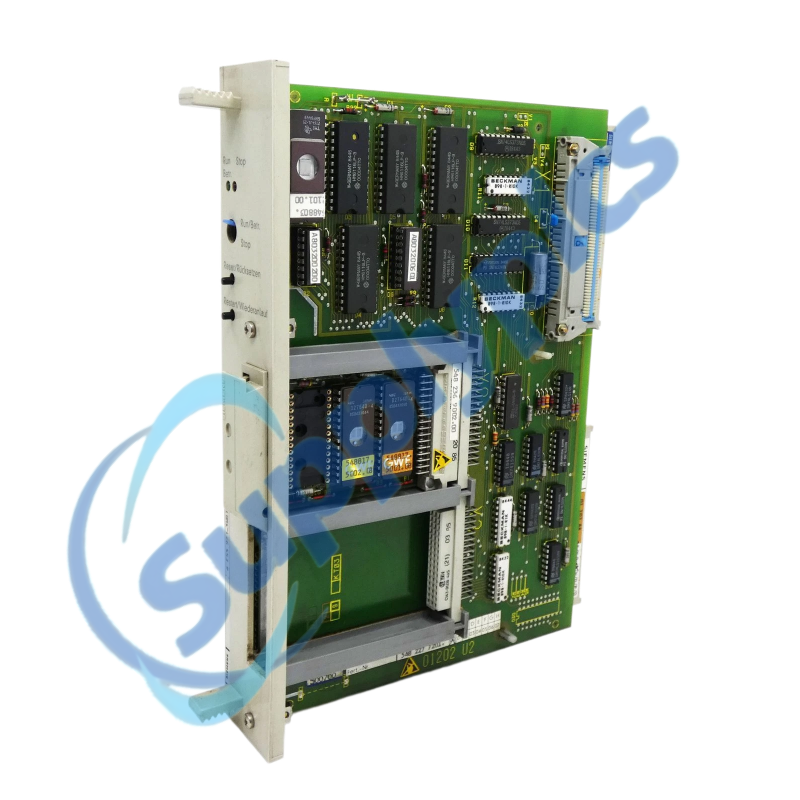
The officer noted the stated one-year warranty on brand-new items and the date it runs from, then asked for written confirmation that it would apply to this order. The officer also recorded the website's stated dispatch expectations, the preferred carrier and the alternatives, the quotation validity, and the accepted payment method, marking each as subject to confirmation. Nothing was treated as final until the order confirmation reflected it.
The result was a short, factual summary attached to the purchase file. If a PLC spare parts warranty returns question ever arose, the officer would not have to reconstruct what was agreed; it was already written down. That discipline, not any single term, is what protects a buyer.
Common Misunderstandings About Spare-Part Warranties
Several assumptions cause trouble. The first is that a warranty automatically follows the brand. It does not; it follows the seller's stated terms for the goods supplied. The second is that the period always starts on the same date. It does not; confirm the trigger date. The third is that a warranty guarantees a particular outcome. It does not; it defines a period of coverage.
A related misunderstanding is that a verbal assurance is enough. A friendly call or a chat message may feel reassuring, but a PLC spare parts warranty returns position is only as strong as the written record behind it. Ask for confirmation in writing, and keep it.
Finally, buyers sometimes assume that a warranty removes the need for spares planning. It does not. A warranty addresses condition over a period; it does not keep a line running. Holding a suitable spare remains the practical answer, and the warranty remains a separate, useful backstop. Keeping these ideas distinct sharpens every PLC spare parts warranty returns decision you make.
Questions to Ask Before You Approve the Order
A short, written list of questions makes the confirmation step efficient. Ask what warranty period applies to the items on this order, and from which date it runs. Ask the seller to confirm the period in writing against the order reference. Ask which carrier will be used and when the items are expected to be despatched, and note that these remain subject to confirmation. Ask how long the quotation is valid so that pricing does not quietly lapse.
Then record the answers next to the order. This is not bureaucracy for its own sake; it is the difference between an assumption and an agreement. A buyer who asks these questions before approving an order rarely has to reconstruct events later.
If the seller cannot confirm a point, note that too. An open question is easier to manage than a mistaken certainty, and it tells you where to follow up before the order is released. Keep the list short enough to actually use, and complete enough to cover the points that matter.
Documentation to Keep Before and After Ordering
Good records are the practical foundation of any PLC spare parts warranty returns discussion. Keep the order confirmation, the invoice, the delivery note, and the part number together, and note the delivery date, since it is the reference point the stated warranty period runs from.
Add the written confirmations you received. If the seller confirmed the period, the start date, or the order specifics in an email, keep it with the purchase file. A record assembled at the time is far stronger than one rebuilt from memory, and it makes any later PLC spare parts warranty returns discussion quicker and calmer.
Where the part is stored before use, note when it was installed as well. This does not change the stated terms, but it helps you understand the timeline if a question arises later. A simple, consistent record is all that is required, and it supports every stage of a PLC spare parts warranty returns enquiry.
Keep the file simple enough that a colleague could use it without explanation. A one-page summary listing the part, the order reference, the delivery date, and the confirmed terms is usually enough, and it is far more useful than a folder of scattered messages.
Checklist Before Placing a Spare-Part Order
Use this checklist to prepare your PLC spare parts warranty returns questions:
- Read the seller's current warranty statement and note the period.
- Confirm the date from which the period runs.
- Get the applicable terms confirmed in writing for your order.
- Record the stated dispatch expectation, subject to confirmation.
- Note the preferred carrier and any alternatives.
- Check the quotation validity and note its date.
- Confirm the accepted payment method.
- Keep the order confirmation, invoice, and delivery note together.
- Note the delivery date as the reference for the warranty period.
- Ask what the seller requires if an issue arises.
- Treat every website statement as current information to verify.
- Re-check the PLC spare parts warranty returns terms if the order is delayed.
Conclusion
A warranty is only meaningful if you know its terms before you need it. Confirm the period and the date it runs from, get the applicable statements confirmed in writing for your order, and keep a clean record. Treat everything on a website as current information to check, and never as a guarantee.
The terms published by Supplyplcs, described in the company's About Us page, are a useful starting point for that check. The final PLC spare parts warranty returns position, however, always belongs to the specific order. Confirm it there, in writing, and a future question becomes a straightforward, documented matter.
Table of Contents
- What a Warranty Actually Addresses
- The Terms Supplyplcs States on Its Website Today
- Why Website Terms Must Be Confirmed for Each Order
- Anonymous Scenario Example
- Common Misunderstandings About Spare-Part Warranties
- Questions to Ask Before You Approve the Order
- Documentation to Keep Before and After Ordering
- Checklist Before Placing a Spare-Part Order
- Conclusion