 EN


When a production line stops, the spare part you need becomes the most important purchase in the plant. The pressure to move quickly makes it tempting to treat an urgent automation spare parts stock dispatch enquiry as a single question — do you have it, and how fast can it leave? In practice, that single question hides three separate ones, each with its own answer and its own source of error. Separating them is the surest way to avoid believing a part is on the way when it is not.
This guide is written for engineers and buyers who handle urgent orders. It explains how to confirm stock status, how dispatch timing differs from stock status, and why transit time is a matter for the carrier and the destination rather than something a supplier can promise. It does not invent inventory levels, lead times, or delivery promises; those must come from the seller's current terms and from confirmation on the specific order. A disciplined urgent automation spare parts stock dispatch approach treats every timeline as something to verify rather than assume.
Why "In Stock" Is a Question, Not an Assumption
Catalogues and product pages describe what a supplier can source; they do not, by themselves, confirm that a specific unit is on the shelf at this moment. Stock changes constantly, and an item shown as available yesterday may be committed to another order today. Treating availability as a fixed fact is the first way an urgent order goes wrong.
The practical habit is to ask for confirmation against the exact part. Provide the complete model number and ask whether that number can be allocated now. A useful urgent automation spare parts stock dispatch enquiry names the part precisely, states the quantity, and asks for a yes or no on availability, rather than assuming that a listing equals stock.
Brand names are not a substitute for this step. A familiar family does not guarantee that a specific variant is available, and assuming so can waste the very hours you are trying to save. Confirm the item, then move on to timing — and understand that each stage of an urgent automation spare parts stock dispatch has its own constraints.
A listing is a signal, not a certificate. Even an accurate listing reflects a moment, and moments pass. The only statement worth acting on is one that names your part, your quantity, and your order — which is why a methodical urgent automation spare parts stock dispatch always begins with a specific, written question.
Stock Confirmation: What to Verify With the Seller
Stock confirmation is a direct question with a direct answer, and it should be obtained in writing. Ask whether the exact part is available to allocate to your order, and ask for the answer to reference the model number you supplied. A written reply creates a record that supports every later step in the urgent automation spare parts stock dispatch process.
When you request confirmation, include the detail that lets the seller check properly. The complete order number, the quantity, and any variant or revision marking belong in the request. Vague requests produce vague answers, and vague answers are the enemy of an urgent automation spare parts stock dispatch order.
Allow for the possibility that only part of the quantity is available. Asking how many units can be allocated now is more useful than asking whether the item exists, because the answer shapes whether you split the order or wait. Clarity at this stage prevents surprises later in the urgent automation spare parts stock dispatch timeline.
If the answer is partial, decide in advance how you will respond. Splitting an order can sometimes get a machine running sooner, while waiting for a full quantity keeps the shipment simple. There is no universal right answer, but choosing deliberately rather than reactively improves every urgent automation spare parts stock dispatch outcome.
Dispatch Time: When the Order Actually Leaves
Dispatch time is when the order leaves the seller's premises, and it is a different matter from stock status. An item can be in stock and still take time to pick, pack, and hand to a carrier. Dispatch also depends on payment being received and on the order being confirmed, because those are the triggers the seller works from.
This is where a clear boundary helps. The seller's current website describes dispatch timing in general terms — for example, that in-stock items can be shipped the same day after payment, and that non-stock items are typically despatched within a short window — but any such statement is a general description, not a promise for your specific order. For an urgent automation spare parts stock dispatch case, ask the seller to confirm the dispatch expectation for the exact order, and do not treat a general statement as a commitment to ship on a given day.
Note the sequence in your own records: stock confirmed, order confirmed, payment received, dispatch. Each step depends on the one before it, and any delay in your own confirmation shifts the whole urgent automation spare parts stock dispatch schedule.
Do not confuse a dispatch date with an arrival date. These are often quoted together in conversation, which is precisely how they get merged in people's minds. Keep them separate on paper, and ask the seller to confirm the dispatch point as its own item.
Transit Time: Why It Is Not the Seller's Promise
Transit time is the journey from dispatch to delivery, and it is governed by the carrier, the service chosen, and the destination. A supplier can hand a parcel to a courier, but it cannot control customs, weather, or route disruptions. That is why transit time should be treated as an estimate, not a guarantee.
For an urgent automation spare parts stock dispatch, it helps to discuss carriage openly. Supplyplcs, as an industrial automation spare parts supplier, states on its website that it prioritises DHL and can arrange FedEx, UPS, or TNT if a buyer requests them. The choice affects timing and cost, so confirm the carrier and service for your order rather than assuming a default.
Record what you are told about transit, and label it as an estimate. If a deadline is critical, build slack into the schedule instead of relying on the fastest possible journey. A realistic urgent automation spare parts stock dispatch plan assumes that transit will vary.
How Stock, Dispatch, and Transit Fit Together
The three stages form a chain, and the weakest link sets your realistic date. Stock confirmation tells you whether the part can be allocated; dispatch tells you when it will leave; transit tells you when it might arrive. Treating them as one blob hides where the risk actually sits.
A useful mental model is to ask, at each stage, what must be true for the next to happen. Dispatch needs a confirmed order and cleared payment. Transit needs a carrier to accept the parcel and a route to run normally. When you map an urgent automation spare parts stock dispatch this way, you can see which step is most likely to slip and plan accordingly.
This is also why written records matter. A confirmed stock reply, a stated dispatch expectation, and a carrier choice together form the skeleton of an urgent automation spare parts stock dispatch plan that you can defend to your own management if a deadline moves.
Anonymous Scenario Example
The following illustrates how the three questions come apart in practice.
Illustrative anonymous scenario, not a Supplyplcs customer project. In March 2024, a maintenance planner at an anonymous manufacturing site in Monterrey, Mexico, faced an unplanned stop and needed a replacement module quickly. Under pressure, the planner asked a single question — is it in stock and can it ship today? — and treated a friendly reply as a commitment.
The more careful approach would have separated the problem. First, stock confirmation: was the exact model number available to allocate, and in what quantity? Second, dispatch: once the order and payment were confirmed, when would it actually leave? Third, transit: which carrier, which service, and what delivery window could reasonably be expected to reach Monterrey? Only by answering all three could the planner judge whether the part would arrive in time to matter.
That distinction is the whole lesson of an urgent automation spare parts stock dispatch. A supplier that is honest about stock may still be unable to promise a dispatch time, and no supplier can promise transit. The planner who understands this plans around the uncertainty instead of being surprised by it.
What to Send With an Urgent Enquiry
A fast, accurate reply depends on a clear request. Provide the complete model number exactly as printed on the unit, the quantity required, and the destination. Add clear photographs of the nameplate and the part so the seller can match the description without a round of questions.
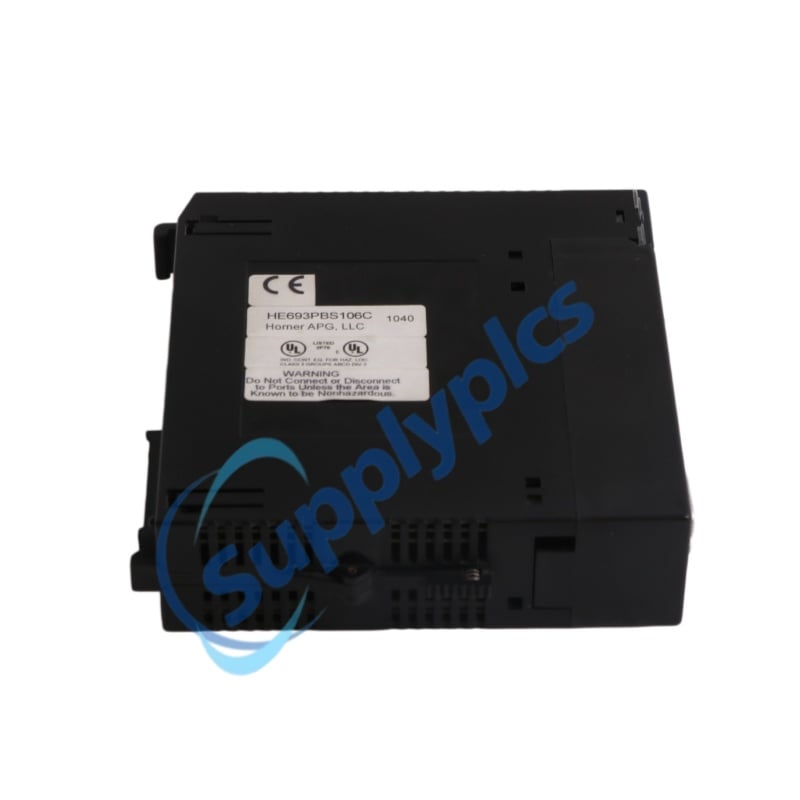
Supplyplcs is an industrial automation spare parts supplier, and the more precise the identification, the more useful the response. If you have photographs of a similar part already on the shelf, include them, but always lead with the exact number. Precision speeds up every stage of an urgent automation spare parts stock dispatch enquiry.
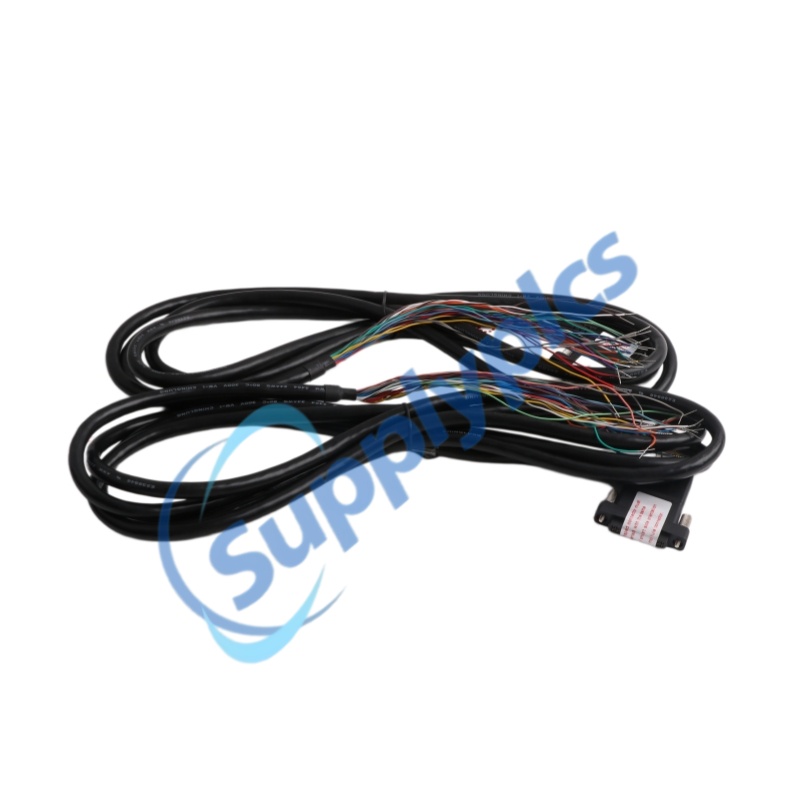
State your deadline plainly and ask what is achievable. A seller who knows the target date can tell you whether it is realistic given stock, dispatch, and transit. Guessing on their behalf helps no one, and it weakens the urgent automation spare parts stock dispatch decisions you make next. If your requirement sits in a known family such as the GE 90-30 Series PLC, you can also point the seller to the exact line item you mean, such as the GE Series 90-30 High Density I/O Cables IC693CBK001 listing, so the reply is matched to a specific part rather than a category.
Where more than one item is needed, list them clearly and in order of criticality. A seller who understands which part is holding the line can prioritise sensibly, and your request becomes easier to answer precisely.
Checklist for an Urgent Spare-Part Order
Use this checklist to keep an urgent automation spare parts stock dispatch order on track:
- Write down the complete model number exactly as printed.
- Request written confirmation that the exact part is available to allocate.
- Ask how many units can be allocated now, not just whether the item exists.
- Confirm the dispatch expectation for your specific order.
- Note that dispatch depends on order confirmation and payment.
- Ask which carrier and service will be used.
- Treat the delivery window as an estimate, not a guarantee.
- Build slack into the schedule around transit uncertainty.
- Photograph the nameplate and the part for identification.
- State your deadline and ask what is achievable.
- Keep the written replies with the order record.
- Do not treat a general website statement as a promise for your order.
- Re-confirm the details before you release the order.
Conclusion
Urgent orders succeed when the three questions are kept apart. Confirm stock against the exact part, confirm the dispatch expectation for your order, and treat transit as an estimate from the carrier. No supplier can promise a timeline it does not control, and a careful urgent automation spare parts stock dispatch plan builds in that reality.
Table of Contents
- Why "In Stock" Is a Question, Not an Assumption
- Stock Confirmation: What to Verify With the Seller
- Dispatch Time: When the Order Actually Leaves
- Transit Time: Why It Is Not the Seller's Promise
- How Stock, Dispatch, and Transit Fit Together
- Anonymous Scenario Example
- What to Send With an Urgent Enquiry
- Checklist for an Urgent Spare-Part Order
- Conclusion