 EN


Two quotes arrive for the same PLC part number, and the figures are not the same. One is lower, one is higher, and the buyer is left to guess which represents the better value. A gap between quotes is not automatically a sign that one seller is wrong; it is usually a sign that the two offers differ in ways the part number alone does not capture. Making sense of PLC spare parts price differences begins with accepting that the number on the label is only the starting point of a comparison. This guide is for procurement staff and engineers who need a structured way to compare quotes for identical part numbers and to narrow PLC spare parts price differences down to their real causes. It does not state what any particular offer includes, and it makes no promise about warranty, delivery, or outcomes; every commercial term should be confirmed in the quote itself.
The instinct to sort quotes by price is understandable, and it is also where most mistakes begin. When two offers are not described in the same terms, the cheaper figure may simply be describing less, and the more expensive figure may be describing more. A checklist turns an apples-to-oranges comparison into something closer to a fair one. That is the purpose of the sections below: to make PLC spare parts price differences explainable rather than mysterious.
Why the Same Part Number Carries Different Prices
A part number identifies a product family, but it does not describe the state of a specific unit. One offer may concern an unused item; another may concern an item that has been previously installed; a third may concern an item whose condition the seller describes in its own words. Those are different articles in commercial terms even when the designation is identical. PLC spare parts price differences often trace back to this single point.
Other variables follow. The revision or version marking can differ between units of the same designation, and a buyer may care about which one is on offer. The completeness of the item, including accessories and packaging, affects both usability and price. The terms wrapped around the sale, from warranty language to freight and insurance, add further differences. None of these is unusual, and none of them makes a quote dishonest. They simply mean that a comparison must be made on matched criteria. The practical rule is to confirm each variable with the quote rather than infer it from the part number. That habit is what turns unexplained PLC spare parts price differences into a short, answerable list.
Condition and Version: The First Variables to Compare
Begin with condition. Ask each seller to state, in writing, how it describes the condition of the unit, and read those descriptions side by side. Descriptions may use different words for similar situations, or similar words for different ones, so the goal is to understand what each seller is asserting rather than to translate between vocabularies. Where a description is vague, ask a specific follow-up question and keep the answer with the quote.
Then compare version and revision markings. A unit's marking is part of its identity, and two offers for the same designation may correspond to different markings. Record what each seller states, and do not fill a gap with an assumption. A buyer comparing PLC spare parts price differences should be able to say, for each quote, exactly which condition and which marking are being offered. Until that statement can be made for every quote, the PLC spare parts price differences remain only partly explained.
Accessories, Packaging, and Completeness
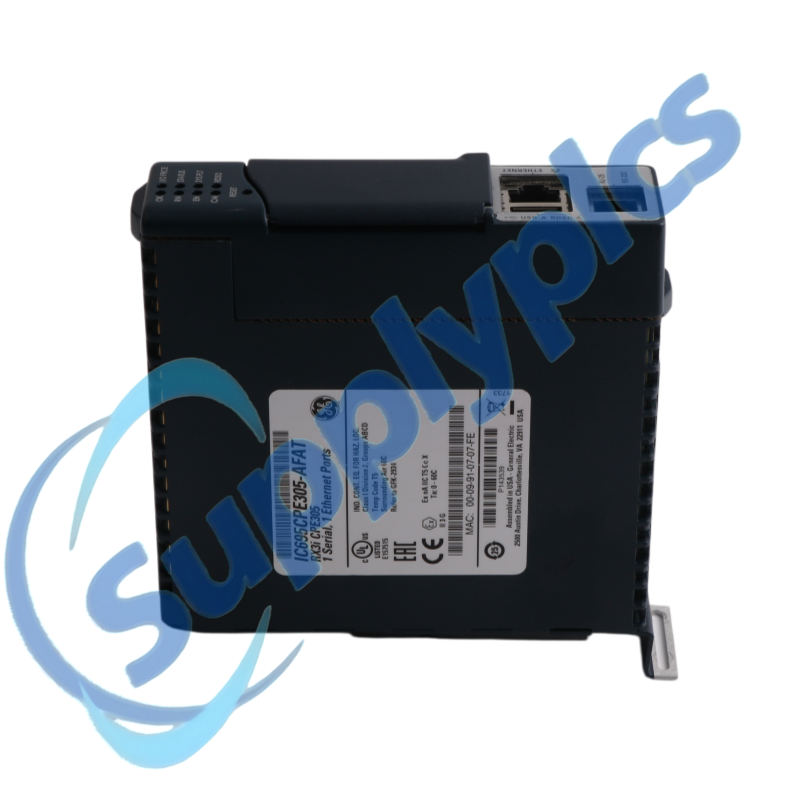
A module is often used with items that are not the module itself: connectors, terminal blocks, brackets, cables, or documentation. Whether those items are included changes what the buyer must source separately, and therefore changes the real cost of the offer. Ask each seller what the quote includes, and note the answers next to the price. An offer that includes more for a higher figure may be cheaper in total once the missing pieces are accounted for. For that reason, it is worth listing what each quote includes before comparing the headline totals.
Packaging matters for a different reason. Modules can be sensitive to handling and transit, so the way an item is packed is part of what is being sold. Ask how the item will be packed and whether the packaging is described in the quote. As with every other variable, the aim is not to challenge the seller but to make the offers comparable. When PLC spare parts price differences are broken down this way, packaging is one of the columns that explains part of the gap. Accessories and completeness account for another portion of PLC spare parts price differences, and they are easy to overlook.
Warranty Terms Stated in the Quote
If a quote states warranty terms, read them closely and record them. Ask what the stated terms cover, how long they run, and what conditions apply, and keep the seller's written answer with the quote. This is not a matter of assuming any particular coverage exists; it is a matter of knowing what each offer actually says. Two quotes for the same part number can carry different warranty language, and that difference alone can justify a price gap.
Do not treat a warranty description as a guarantee of an outcome. Treat it as one more field in the comparison, to be confirmed with the seller and held in writing. When a buyer lines up PLC spare parts price differences against the stated terms of each offer, the picture becomes much clearer than a simple price sort allows. Warranty language is one of the terms that can widen PLC spare parts price differences, so it deserves a column of its own.
Freight, Insurance, and Delivery Terms
A quoted price means different things depending on what it includes. Ask each seller what freight arrangement the quote covers, who is responsible for insurance in transit, and what delivery terms are stated. A figure that excludes freight is not comparable to one that includes it, and the difference can be significant for heavier or bulky items.
Record the delivery terms exactly as the quote states them, and ask a follow-up question if any part of the arrangement is unclear. A buyer working through PLC spare parts price differences should be able to state, for every offer, what is included and what is not. Freight and insurance frequently account for a large share of PLC spare parts price differences between otherwise similar offers. Only when those fields match can the headline figures be compared.
What Else Can Explain PLC Spare Parts Price Differences
Beyond condition, version, completeness, warranty, and freight, several smaller factors can contribute. The seller's own sourcing cost, the urgency attached to a request, the currency in which a quote is issued, and any taxes or duties that apply can each move a figure up or down. None of these is improper, but all of them should be identified rather than left implicit.
Timing is another variable. A quote prepared when an item was readily at hand may look different from one prepared later, and a buyer comparing PLC spare parts price differences should ask when each quote was issued and whether it remains valid. A short note of the issue date beside each price keeps that question answerable at a glance. An expired figure is not a fair basis for comparison. Ask also whether the quote assumed a particular quantity, because a figure built around a larger order can differ from one built around a single unit.
The productive way to handle all of this is to treat every quote as a set of statements to be confirmed. Ask the seller to state what is included, what is excluded, and what assumptions the figure rests on. When PLC spare parts price differences are approached as documentation rather than as guesswork, the reasons for a gap become visible, and a buyer can choose on the basis of value rather than on the basis of the smallest number on the page.
Anonymous Scenario Example
Illustrative anonymous scenario, not a Supplyplcs customer project.
In June 2024, a maintenance planner in Jakarta, Indonesia was comparing quotes for the same part number from several sellers. The part number was identical on every quote, yet the prices were not. Rather than simply choosing the lowest figure, the planner built a small comparison table and asked each seller to confirm the condition as described in writing, the version or revision marking, the accessories included, the warranty terms stated in the quote, and the freight and delivery terms. Only once those columns were complete did the offers become genuinely comparable. The exercise showed that identical part numbers can carry different prices without any single quote being "wrong," because the offers differed in ways the part number never captured.
Checklist for Comparing Quotes and Explaining PLC Spare Parts Price Differences
Use this checklist to build a fair comparison before choosing between offers:
- The same part number is confirmed across every quote.
- Each seller's written condition description is recorded.
- The version or revision marking is stated for each offer.
- Accessories and included items are listed per quote.
- Packaging and handling arrangements are described.
- Any warranty terms stated in the quote are recorded verbatim.
- Freight arrangements are stated and compared on the same basis.
- Insurance responsibility in transit is confirmed.
- Delivery terms are recorded exactly as written.
- Currency, taxes, and any additional charges are accounted for.
- Every open question has been put to the seller in writing.
- Any PLC spare parts price differences have been explained by the documented terms of the quotes.
Conclusion
PLC spare parts price differences are usually explainable once the offers are described in the same terms. Condition, version, completeness, warranty language, and freight arrangements are the variables that most often account for a gap, and each of them can be confirmed with the seller rather than assumed. A buyer who fills in those fields before choosing is comparing like with like. The table itself does not decide anything; it simply makes the basis of each offer visible to everyone involved.
If you are sourcing through a supplier such as Supplyplcs, an industrial automation spare parts supplier, its category pages for the GE PACSystems RX3i and the GE 90-30 Series PLC can help you confirm the product family a part number belongs to before you build your comparison. The commercial terms themselves, however, should always be read from the quote you are given.
Build the table, ask the questions, and keep the answers in writing. Done that way, a confusing spread of PLC spare parts price differences becomes a set of documented choices, and the decision you make is one you can defend long after the order is placed.
Table of Contents
- Why the Same Part Number Carries Different Prices
- Condition and Version: The First Variables to Compare
- Accessories, Packaging, and Completeness
- Warranty Terms Stated in the Quote
- Freight, Insurance, and Delivery Terms
- What Else Can Explain PLC Spare Parts Price Differences
- Anonymous Scenario Example
- Checklist for Comparing Quotes and Explaining PLC Spare Parts Price Differences
- Conclusion