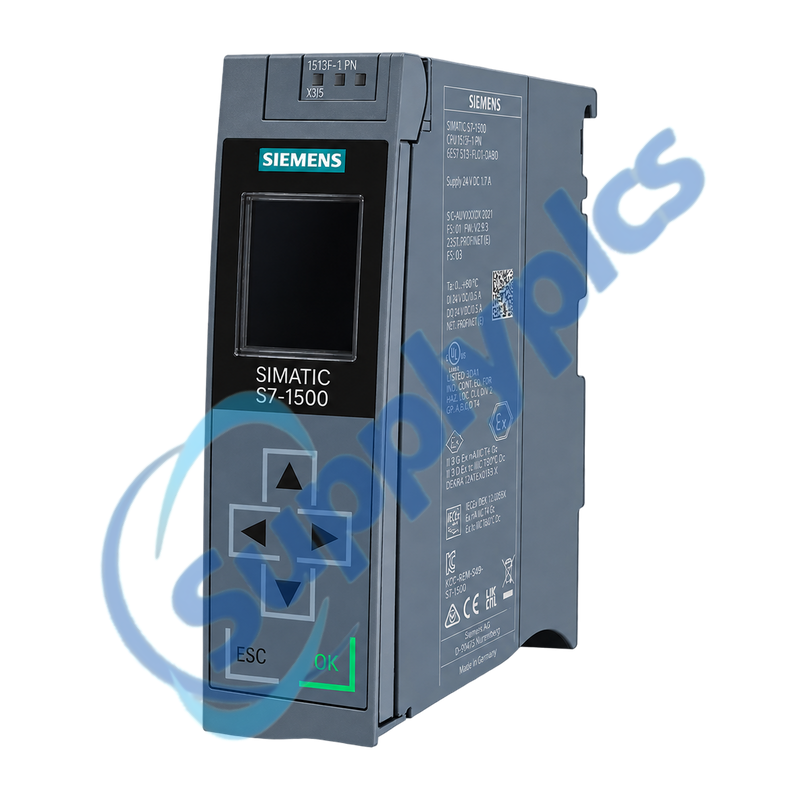
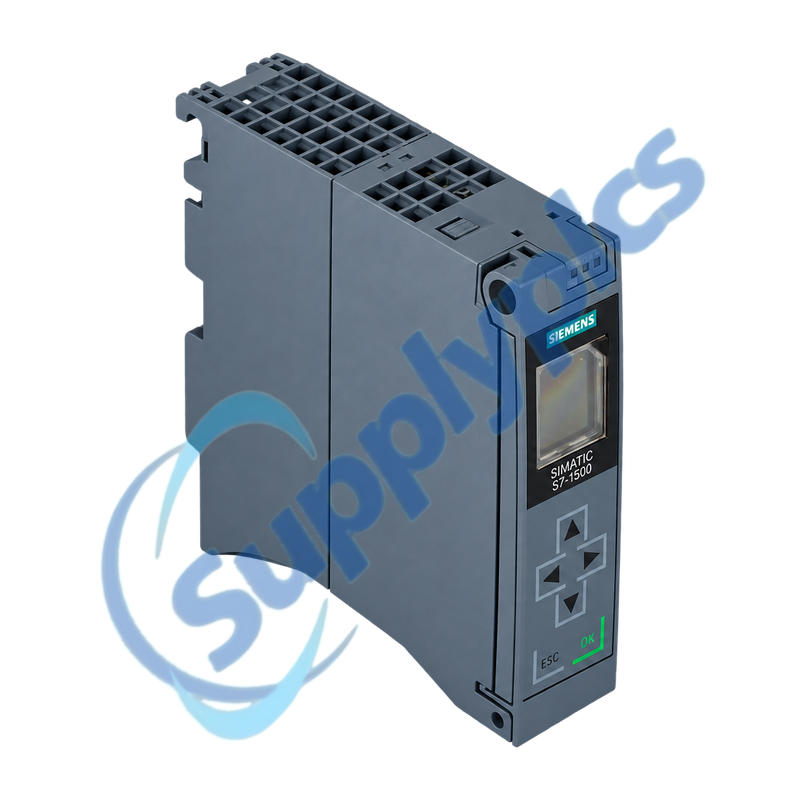
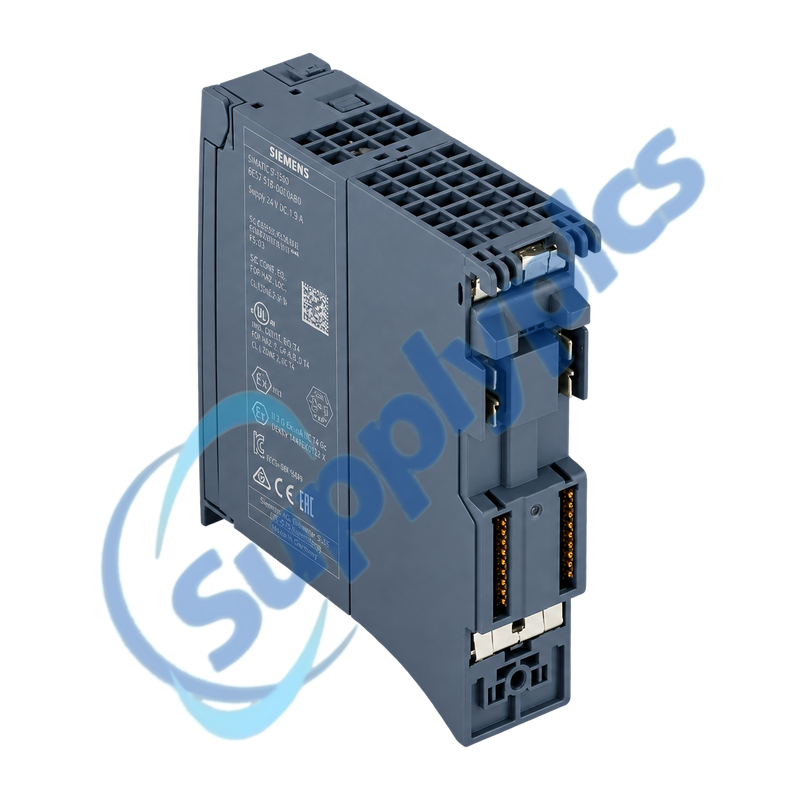
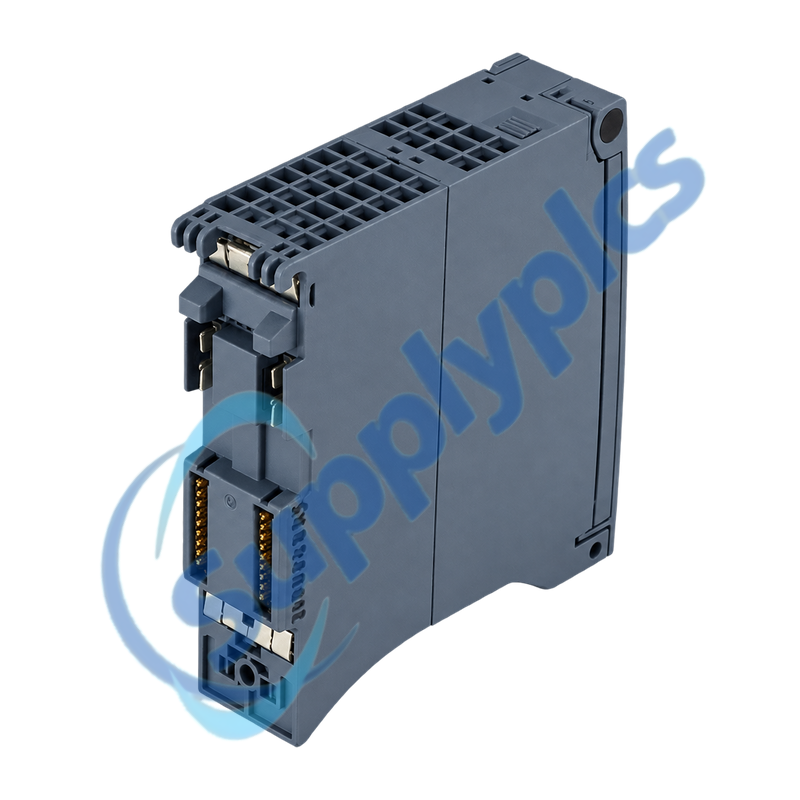
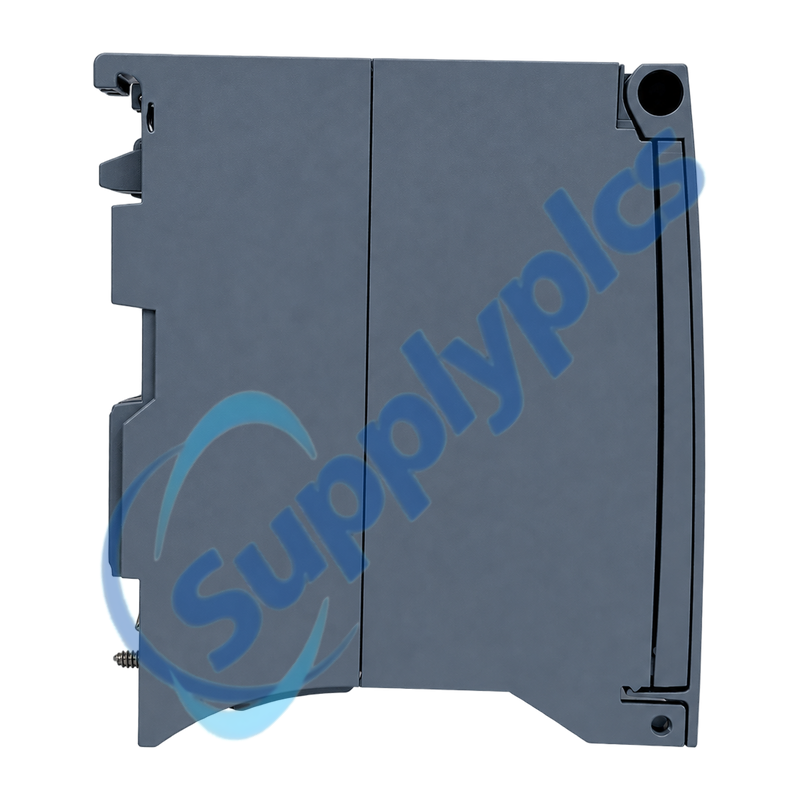
Fail-safe S7-1500 controller with integrated two-port PROFINET IRT interface
The CPU 1513F-1 PN provides 450 KB program memory, 1.5 MB data memory and fail-safe PROFIsafe control for medium-complexity machines. It is a canceled spare-part generation, so hardware revision, firmware, TIA Portal project level, F-signature and the required SIMATIC Memory Card must be matched before replacement.
F-system replacement check: Preserve the validated standard and safety project, F-signature, firmware, Memory Card contents, PROFINET names and IP addresses, device topology, certificates and diagnostic buffer before disturbing the original CPU.
Safety Migration
6ES7513-1FL01-0AB0 is a SIMATIC S7-1500F CPU 1513F-1 PN for combined standard and fail-safe automation. Its integrated PROFINET IRT interface includes a two-port switch and supports controller, device and real-time communication roles in engineered networks.
Replacement is a safety lifecycle activity, not a simple hardware swap. The accepted F-program, access protection, device names, distributed PROFIsafe addresses and final safety validation must remain controlled and traceable.
A controlled F-CPU replacement starts with a verified project and ends with documented safety acceptance.
Project archive
Archive the editable TIA Portal project, F-signature, software versions, passwords and online hardware state before shutdown.
Memory Card
Identify and back up the SIMATIC Memory Card; the CPU requires the card for load memory and startup.
Acceptance test
After download, verify every PROFIsafe device, emergency stop, guard circuit and programmed safety reaction against the approved test plan.
PROFINET Recovery
Device names, IP settings and topology are frequent causes of a healthy replacement CPU remaining in STOP.
Network identity
Record the CPU PROFINET device name, IP configuration, ports and expected topology before the original controller is disconnected.
Distributed I/O
Confirm each IO device and F-device is reachable with the expected address, module configuration and PROFIsafe parameters.
Diagnostic buffer
Read STOP causes, configuration differences, communication faults and safety messages before changing hardware or firmware.
How can a buyer verify that 6ES7513-1FL01-0AB0 is the correct fail-safe CPU for an installed S7-1500 rack?
Match the complete order number, hardware functional status, firmware and Memory Card, then compare the TIA Portal hardware configuration, PROFINET topology and F-program signature. Similar CPU 1513 or successor part numbers are not automatic drop-in replacements.
Q2
What must be archived before replacing 6ES7513-1FL01-0AB0 in a safety application?
Save the editable TIA Portal project, validated F-signature, CPU firmware information, Memory Card contents, access settings, PROFINET device names and IP addresses, PROFIsafe parameters, diagnostic buffer and the latest signed safety acceptance record.
Q3
Why can 6ES7513-1FL01-0AB0 remain in STOP after the original SIMATIC Memory Card is installed?
Read the diagnostic buffer and compare hardware and firmware compatibility, card contents, protection settings and configured modules. A mismatched project, unsupported firmware transition, missing device or safety-program inconsistency can prevent RUN.
Q4
How should PROFINET communication be restored after changing 6ES7513-1FL01-0AB0?
Assign the documented PROFINET device name and IP settings, reproduce the original port topology, then verify every standard IO and F-device online. Resolve duplicate names, unreachable devices and module differences before enabling machine motion.
Q5
Can 6ES7513-1FL01-0AB0 be replaced directly by its later successor without project work?
No automatic drop-in assumption should be made. The successor has different performance and lifecycle data, so migrate the hardware configuration in a controlled project copy, check firmware and TIA Portal support, compile the safety program and repeat the required validation.
Q6
What safety tests are required before returning 6ES7513-1FL01-0AB0 to production after service?
Verify the F-signature and access protection, test every emergency stop and guard device, confirm PROFIsafe diagnostics and safe-state timing, and record the results against the approved acceptance procedure. Functional production testing alone is not enough.

 EN