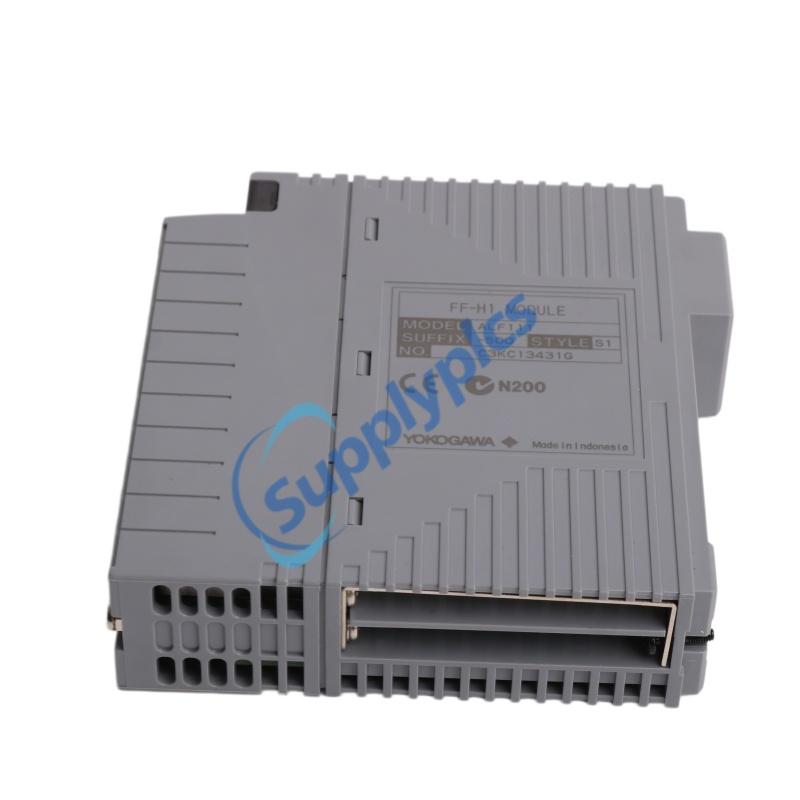
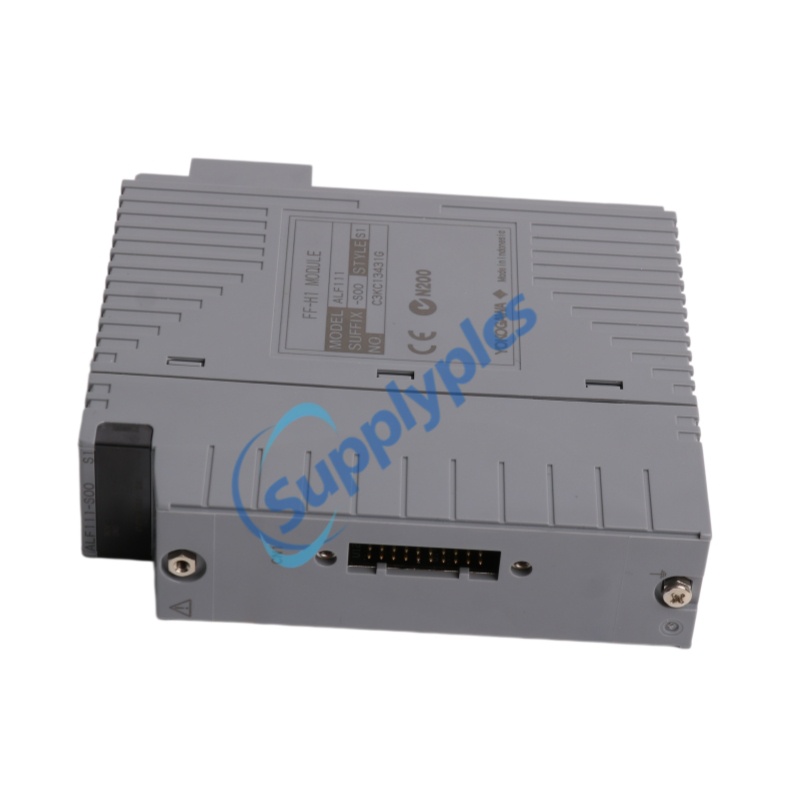
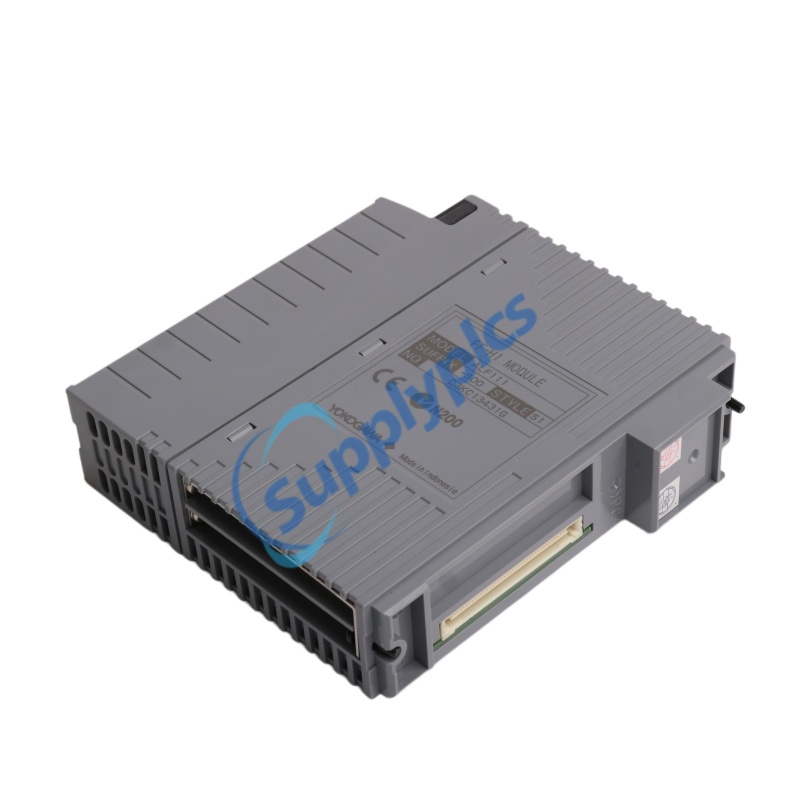
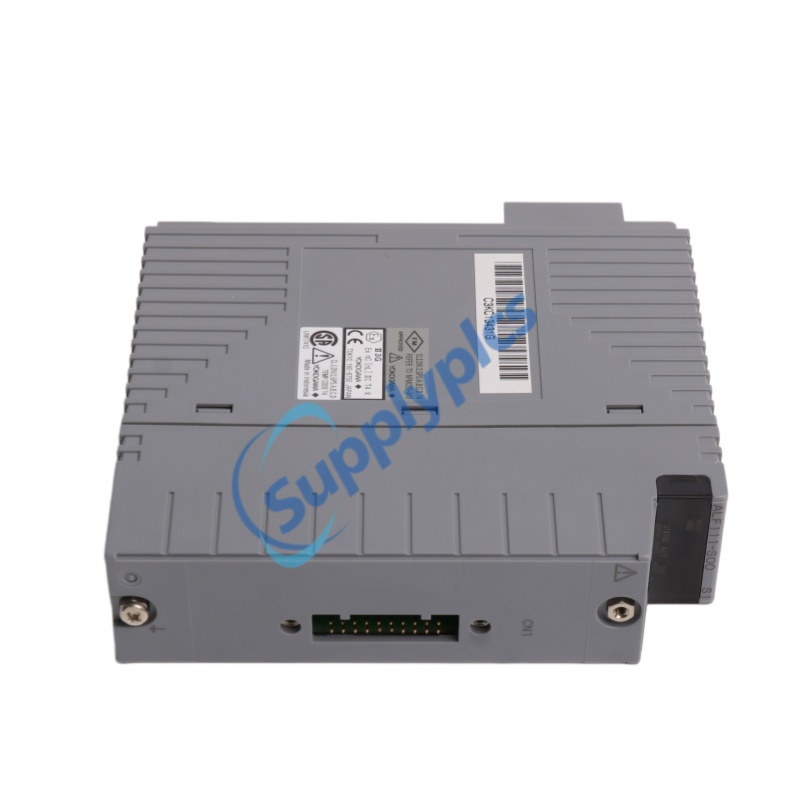
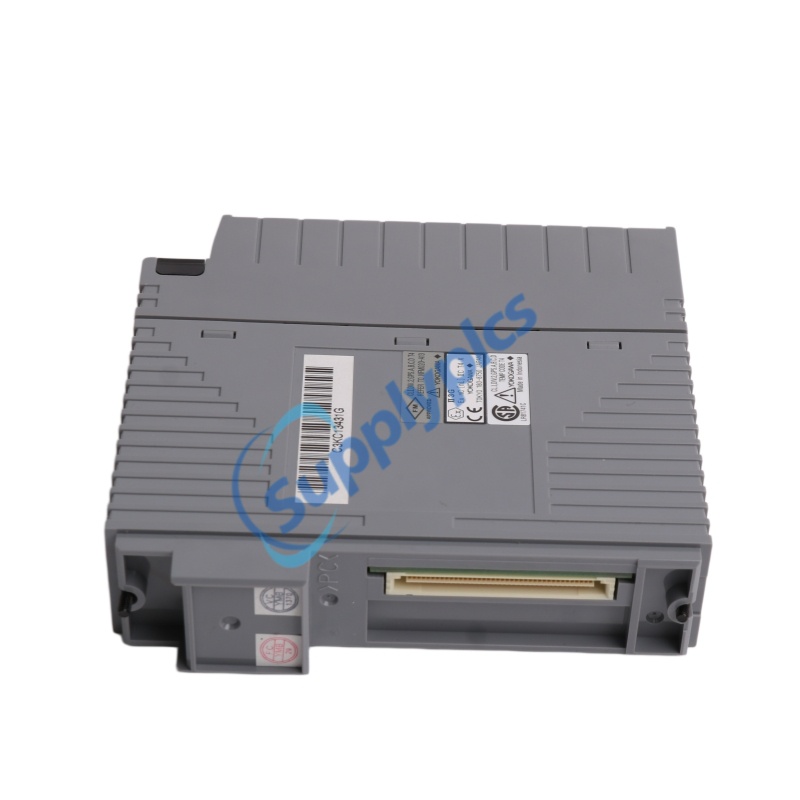
Product Name: Communication Module
Brand Name: YOKOGAWA
Model Number:ALF111-S00 S1
Country of Origin:JAPAN
Warranty: 12 Months
Whatsapp:+86 18159889985
Email:[email protected]

Brand Name: |
YOKOGAWA |
Model Number: |
ALF111-S00 S1 |
Country of Origin: |
JAPAN |
Packaging Details: |
Original new Factory Sealed |
Delivery Time: |
Delivery time in stock |
Payment Terms: |
T/T |
|
Sales Manager: |
Stella |
|
Send an email: |
|
|
Contact in Whatsapp: |
|
Parameter |
Specification |
|
Model |
ALF111-S00 S1 |
|
Manufacturer |
Yokogawa Electric Corporation |
|
Product Type |
FOUNDATION Fieldbus Communication Module |
|
Interface |
FOUNDATION fieldbus (low speed voltage mode), 4 ports (1 segment per port) |
|
Transmission Speed |
31.25 kbps |
|
Withstanding Voltage |
Field to system: 1500 V AC/minute |
|
Bus Connection |
Pressure clamp terminals (removable terminal block with built-in terminators, switchable on/off); connects to terminal board via dedicated cable |
|
Installation Method |
Mounted on ANB10□, ANB11□, AFV30□, AFV40□, A2FV50□, or A2FV70□ |
|
Max. Control I/O Channels |
48 points/segment (up to 6 points configurable as high-speed scanning type on ER bus) |
|
Max. Fieldbus Devices |
32 units per segment (ALF111 counts as one unit); 30 units/segment in dual-redundant configuration |
|
Communication Functions |
LAS (Link Active Scheduler) function, Clock master function |
|
Dual-Redundancy |
Enabled by installing two ALF111 units in annexed slots within the same node |
|
Current Consumption |
≤0.5 A |
|
Weight |
Approx. 0.40 kg |
|
Suffix Code (-S00 S1) |
Standard type with no explosion protection; Basic type with ISA Standard G3 option |
The ALF111-S00 S1 is a FOUNDATION fieldbus communication module from Yokogawa, purpose-built to establish seamless communication between field control stations (FCS) and H1-compliant fieldbus devices such as transmitters and valve positioners. The ALF111-S00 S1 mounts on AFV30, AFV40, A2FV50, and A2FV70 field control units, as well as ANB10 and ANB11 node units. The ALF111-S00 S1 operates as the Link Active Scheduler (LAS) and clock master, managing data exchange across four ports per module. Supporting up to 32 devices per segment and dual-redundant configurations, the ALF111-S00 S1 integrates fieldbus devices into Yokogawa‘s CENTUM VP and CS 3000 DCS environments via FOUNDATION fieldbus face plate blocks.
Native DCS Integration – Designed specifically for Yokogawa CENTUM VP and CS 3000 systems, ensuring seamless compatibility and optimal performance within the Yokogawa ecosystem.
LAS and Clock Master Functionality – Operates as the Link Active Scheduler, managing bus access and communication timing without requiring external scheduling devices.
Dual-Redundant Architecture – Supports redundant ALF111 configurations, eliminating single points of failure and ensuring continuous communication even during module replacement or failure.
High Channel Density – Supports up to 48 control I/O channels and 32 devices per segment, maximizing system capacity within a compact 0.40 kg module.
HIST-Certified Interoperability – Supports fieldbus devices that have passed the Host Interoperability Support Test (HIST), ensuring reliable integration with third-party instruments.
Integrated Terminators – Built-in switchable terminators on the removable terminal block simplify network configuration and reduce external component requirements.
Scalable System Architecture – Supports up to 64 ALF111 modules per FCS (32 pairs for redundancy), enabling large-scale fieldbus deployments across multiple segments.
Four Independent Fieldbus Ports – Each port supports one H1 segment, enabling connection of up to 32 fieldbus devices per port
Link Active Scheduler (LAS) Function – Manages bus communication, schedules data exchange, and controls token passing between devices
Clock Master Function – Provides time synchronization across the fieldbus network for coordinated control and event logging
Dual-Redundancy Support – Two ALF111 modules can be installed in annexed slots within the same node for high availability
Removable Terminal Block – Pressure clamp terminals with built-in switchable terminators for simplified wiring and maintenance
High-Speed Scanning Option – Up to 6 I/O points per segment can be configured as high-speed scanning type on the ER bus
Face Plate Block Architecture – FOUNDATION fieldbus face plate blocks act as data buffers, enabling access to internal parameters of fieldbus function blocks from FCS function blocks
HIST-Certified Compatibility – Supports fieldbus devices that passed the Host Interoperability Support Test and are registered with the Fieldbus Foundation
Capability File & Device Description Support – Mandatory Capability Files and Device Descriptions for engineering ensure proper device integration
Wide FCS Compatibility – Mounts on AFV30, AFV40, A2FV50, A2FV70, ANB10, and ANB11 units
ISA Standard G3 Option – Suffix option provides enhanced corrosion protection for harsh industrial environments
The ALF111-S00 S1 operates as the central communication interface between Yokogawa field control stations and FOUNDATION fieldbus H1 networks. As the Link Active Scheduler (LAS), the module manages all bus communication activities, including token passing, data scheduling, and device address assignment. It continuously polls connected fieldbus devices (transmitters, valve positioners, etc.) to collect process data and store it in the module‘s Input/Output image area. The FCS accesses this image area to read field device data and write setpoints, treating the information identically to conventional analog/digital I/O signals.
The module supports both scheduled (cyclic) and unscheduled (acyclic) communication. Scheduled communication handles time-critical process variables at deterministic intervals, while unscheduled communication accommodates device configuration, diagnostics, and parameter changes. The clock master function provides time synchronization across the network, ensuring consistent time-stamping for event logs and sequence-of-events recording.
FOUNDATION fieldbus face plate blocks act as continuous function blocks that buffer data between fieldbus devices and FCS function blocks. This architecture enables seamless integration of fieldbus configuration with FCS engineering, allowing control and monitoring functions to access internal parameters of fieldbus devices as if they were native I/O. Dual-redundant configurations use two ALF111 modules in the same node; if the active module fails, the standby module assumes LAS and communication responsibilities without interrupting fieldbus operations.
Q1: What is the primary function of the ALF111-S00 S1?
A1: The ALF111-S00 S1 is a FOUNDATION fieldbus communication module that establishes communication between Yokogawa field control stations (FCS) and H1-compliant fieldbus devices such as transmitters and valve positioners, operating as the Link Active Scheduler (LAS) and clock master.
Q2: How many fieldbus devices can be connected to a single ALF111 port?
A2: Each of the four ports supports up to 32 fieldbus devices per segment (with the ALF111 counting as one device). In dual-redundant configurations using two ALF111 modules on the same segment, the maximum is 30 devices per segment.
Q3: What does the suffix code “-S00 S1” indicate?
A3: -S indicates Standard type; 00 indicates no explosion protection with Basic type; S1 indicates the ISA Standard G3 option for enhanced corrosion protection in harsh industrial environments.
Q4: Can the ALF111-S00 S1 be used in a redundant configuration?
A4: Yes. Dual-redundant configurations are enabled by installing two ALF111 modules in annexed slots within the same node. The system automatically switches to the standby module if the active module fails, ensuring continuous fieldbus communication.
Q5: What engineering tools are required to configure the ALF111-S00 S1?
A5: The module requires VP6E5100 Standard Builder Function for engineering, along with appropriate Control Function software (VP6F1700 for AFV30/AFV40, VP6F1800 for A2FV50, or VP6F1900 for A2FV70). Capability Files and Device Descriptions for connected fieldbus devices are mandatory for proper integration.
Inquiry Now: [email protected]
 EN
EN